
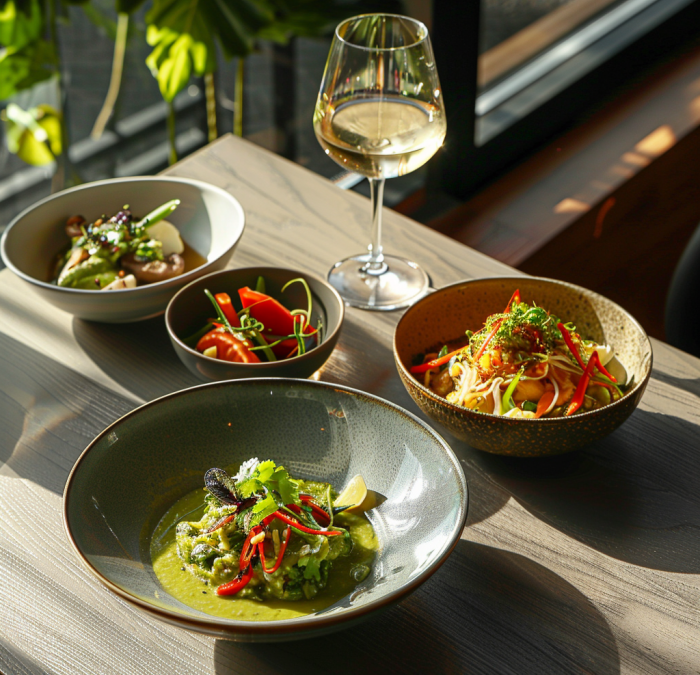
With August already ushering temptations laden with pumpkin, cinnamon, ginger, clove, nutmeg and other fall flavor favorites, it's the perfect time to explore spiciness in wine—a multifaceted characteristic adding depth and excitement to the vinicultural experience. To help us understand the intriguingly spicy side of wine, below Wine Expert Sylvia Ba with the VinoVoss AI Sommelier offers insights to help us navigate this aromatic vinicultural option:
Sylvia Says:
Earthy, mineral, spicy … these terms are commonly used to describe wine. The spiciness in wine is like the spiciness in food, it is not a flavor, but a sensation. Spiciness in wine is one of those intriguing characteristics that can elevate a wine and add complexity to it. It’s a sensation that parallels the heat from a chili pepper or the warmth from a touch of cinnamon. But what exactly makes a wine spicy? How can we identify it, and more importantly, how can we enjoy a spicy wine with food?
What is a Spicy Wine?
When we talk about spicy wine, we’re referring to wines that evoke a sensation of warmth and tingling on the palate, much like certain spices do. This spiciness can manifest in various forms.
For instance, a wine with a peppery character can remind one of the sharp bite of black pepper or the more subtle heat of white pepper. On the other hand, a wine that exudes baking spices flavors might reveal the sweetness and warmth of cinnamon or nutmeg, adding a familiar touch to its profile. Other wines might bring to mind the slightly sweet and woody heat of cloves or ginger, offering yet another layer of spiciness.
Certain wines are particularly known for their spicy profiles. Syrah, for example, is the most common spicy wine, known for its black pepper notes, especially in wines from regions like the Rhône Val