
In recent years, testosterone therapy has taken a more mainstream and commercial turn, fueled by direct-to-consumer (DTC) medical companies, fly by night physicians and social media influencers. They have played a pivotal role in popularizing testosterone therapy not just as a medical treatment for diagnosed conditions but as a lifestyle choice for men seeking enhanced vitality, improved physical performance, and anti-aging benefits. Unfortunately, however, this surge in popularity has led to significant concerns regarding the appropriateness and safety of how these treatments are prescribed to the public along with who is doing the prescribing. By prioritizing accessibility and convenience over comprehensive medical evaluations, situations where individuals might receive testosterone therapy without a proper assessment poses many potential risks.
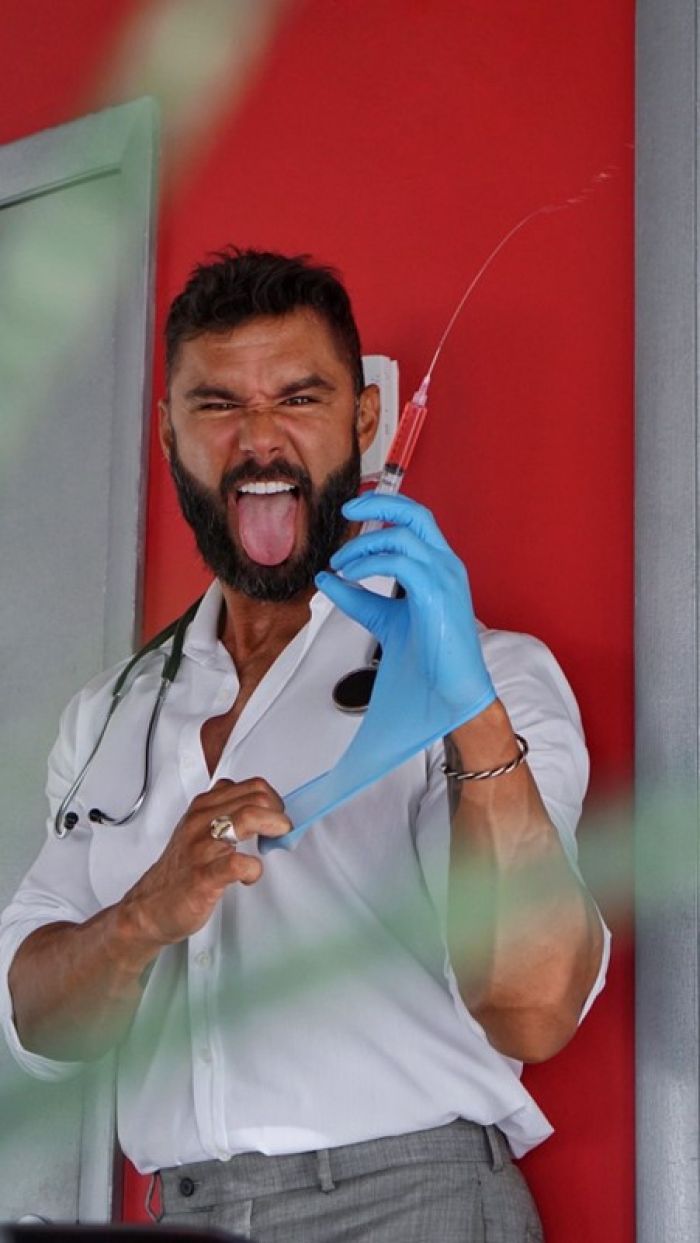
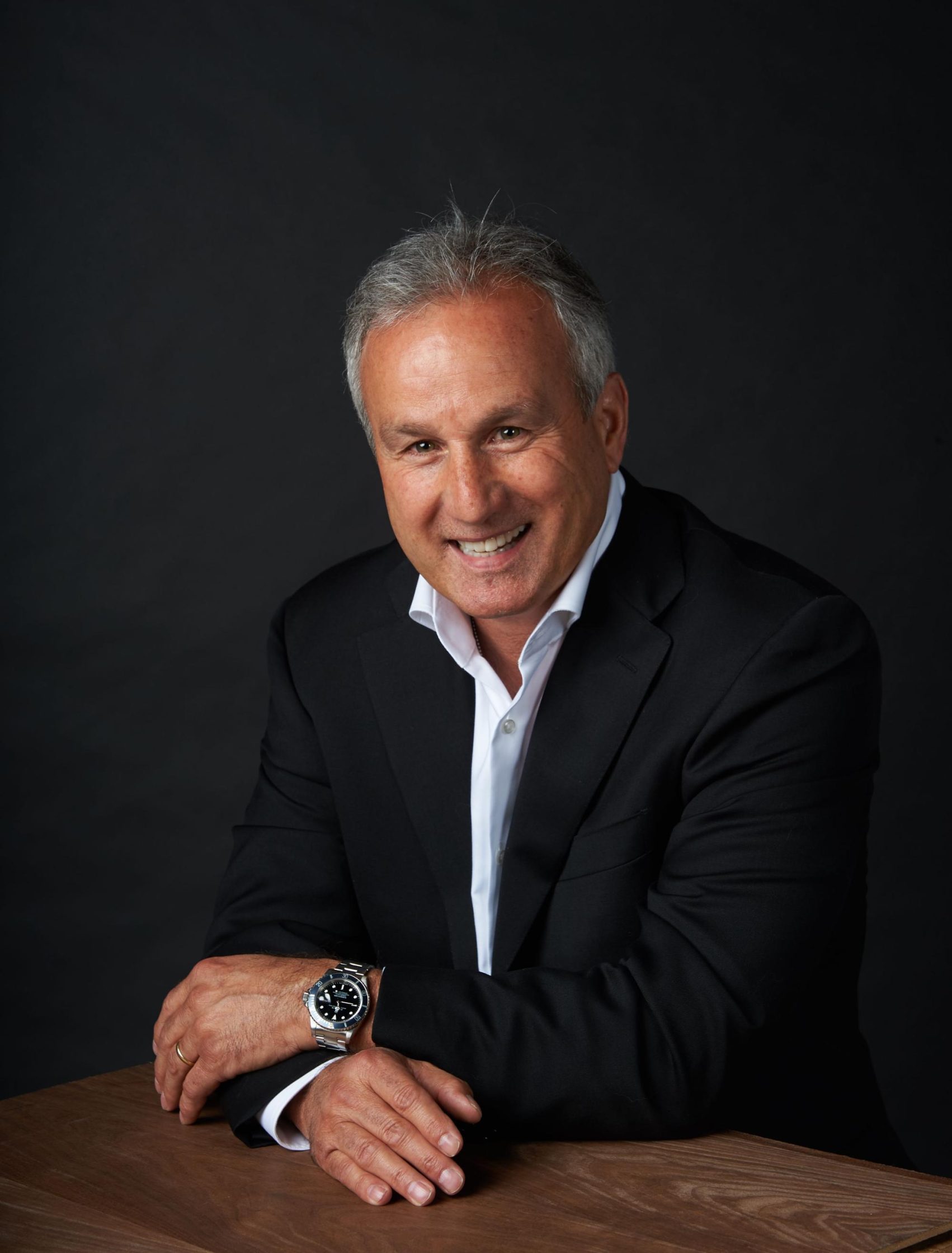
We spoke to Dr. Ivan Rusilko, founder of Lifestyle Medicine in Miami Beach, who has been a champion of customized testosterone programs for decades.
Interviewer: So I'm sitting here today with Dr. Ivan Rusilko, for an interview about the ins and outs of testosterone replacement. So I guess the first question I have for you Ivan is what's the initial steps someone should take when considering testosterone replacement therapy (TRT)?
Dr. Ivan Rusilko: The first step has gotta be diagnostic testing, no ifs ands or butts about it because it might not be testosterone that causes the issue. It could be 1000 different things that are causing the sexual dysfunction or low energy or depression or a poor physique. So before I prescribe testosterone to anyone, I need to know everything about them, more than God if you will. This is what enables me to confirm that it’s testosterone that they need and not something else. A lot of people think just b
As long as your hormones are all optimized, you need a much smaller dose to get the results that you want, which is much safer and smarter. If your adrenals are not working well, if your growth hormones are off, if you're toxic with mercury, if you have vitamin deficiencies like B12 or vitamin D, or anything like that, you are going to need more than just a shot of T unfortunately. So be very wary of all these false profits out there promising the world for just $100/month, its all nonsense and dangerous.
I: And that leads me to my next question about managing side effects. It's one of the things that you talk about differently. So, what does that mean and how would someone manage side effects?
IR: This is a great test to see if you’re on a testosterone program from somebody who actually knows what they're doing or someone who doesn't. Questions to ask yourself:
- Were you tested for more than just testosterone before being started?
- Are you on something to make sure you're not castrating both your pituitary gland and your testicles?
- Are you on something to prevent overproduction of DHT and Estrogen?
Three simple questions to help determine if your program is complete.
First off, you want to manage negative feedback loops, which is the most important part this. This is to ensure it doesn't castrate you or give you testicular shrinkage and things like that. So you know, you'd use things such as Clomiphene or Enclomiphene to help manage the actual brain axis. You use HCG to help stimulate the testicles. The type of testosterone usually varies from cypionate to enanthate, enanthate is my favorite to prescribe.
If you have too much testosterone in the system, it will convert into other things like DHT, which is why a lot of guys go bald or have prostate. Excessive estrogen leads to issues gynecomastia and water retention. So you use things like arimidex and finasteride as the medical route to manage the full spectrum of side effects as well as to not harm oneself. There's a lot more natural avenues to go down too. No matter what you put in your body, there's always going to be side effects to it, especially something like testosterone since it is one of the most crucial hormones in life. When it's abused, however, too much of a good thing becomes a bad thing. This couldn't be more true when it comes to testosterone. So finding somebody who actually knows what they're talking about is the most important part when it comes to testosterone therapy.
The medications are really secondary because if you don't point the gun in the right direction, you're going to shoot yourself.
I: So how does one know when to cycle on or off?
IR: It’s a personal point of view when it comes to cycling on or off. It depends on personal preference. The younger you are, I would say four to six months is usually a good cycle. Then take four to six months off. Sometimes getting the body restarted from being burned out through old age, drug usage, or bad lifestyles is just out of the realm of possibilities. In that case there won't be a cycle but instead a life long treatment.
When you decide to cycle off you have to do it the right way. If you cycle off too fast or improperly you're going to experience side effects like depression, weight gain, libido shrinkage and many more issues — especially your confidence.
So to kind of make that a short answer, it's very dependent on the person, the reason they went on it, their biochemistry and their lifestyle. There is no one size fits all answer to any of these questions. That is what true medicine is. It's not sitting there and having a protocol implemented for everybody. That's just straight up sloppy.
I: Would you consider doing a pharmaceutical approach to managing side effects versus a natural?
IR: That is a great question. During medical school I purposely went out and got a degree in sports nutrition for this exact reason. I am a huge fan of all things natural and always include them in my treatment protocols. Medications are a little easier to manage but there are somethings that are straight up from nature that are amazing at helping the body harmonized testosterone and its effects.
So as a physician, I have to exercise common sense along with proper medical practices. This is why we include a proper patient intake form and combine it with our knowledge of the negative aspects of that medication and then also couple it with the positive multipliers of lifestyle choices, diet, hydration, sleep, and stress management. Those are the four things that you need before any program you go on.
I: This is very helpful. What are your final thoughts or considerations for people who are considering testosterone therapy?
IR: All and all testosterone is an incredible hormone to maximize in both men and women. When done correctly it can give someone a life back in the worst of times. Just be smart. There is no magic bullet and this therapy isn't cheap so don't fall for nonsensical marketing or false prophets who are jacked out on every illegal substance in the world claiming they are just on basic therapies. These people do so much more harm than good so be careful.
I think a lot more physicians and/or anyone who promotes TRT needs to be held accountable for the side effects they give to people who follow their protocols. For physicians, it is not about your education or where you trained at. It's about actual results.
So if you're going to think about testosterone therapy, it's one of the most amazing anti-aging, functional wellness medications and programs you can possibly go on. But if you do it improperly, you're going to shoot yourself in the foot and it's dangerous. I'm a big fan of testosterone therapy. It's built my career, both in the fitness and medical world. That is why it is particularly heartbreaking to see that's now being diluted and torn down by these false prophets claiming they know how to do testosterone when they really don't know they're ass from their elbows.
I: That's great. Thank you so much for taking the time.
IR: Of course, thank you.
To learn more about Dr. Ivan Rusilko and his practice Lifestyle Medicine, check out his website and Instagram.