
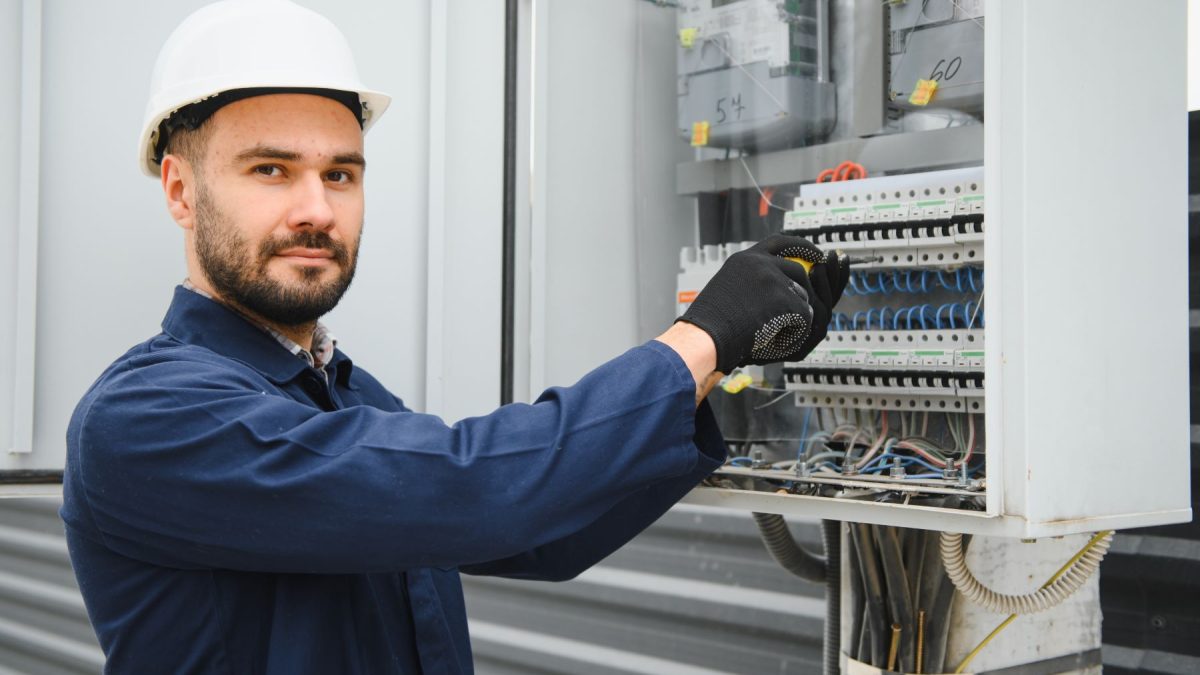
When hiring an electrician, the safety of your home and the quality of work are paramount. Electrical mishaps can lead to complications ranging from minor inconveniences to severe safety hazards. Hence, choosing a qualified electrician is a decision that should be grounded in careful consideration and research.
Identifying a competent electrician involves looking at several critical criteria, from credentials and industry certifications to cost and quality balance. In this article, we explore the essential factors you must consider before making your hiring decision.
Understanding the Scope of Electrical Work for Accurate Hiring
Clarifying the exact nature of your electrical project helps in contracting an electrician with the appropriate skill set. Whether it’s a residential rewiring project or a commercial electrical installation, the scope of work significantly influences the expertise required.
For complex tasks that involve intricate electrical systems, you may need a master electrician with comprehensive experience in managing substantial projects. Conversely, simpler tasks like fixture installations might be adequately handled by a journeyman. However, for the best electrician in South Florida, one should consider both their expertise in diverse electrical tasks and their reputation for reliable service.
To ensure accurate hiring, present a detailed description of the job to prospective electricians and ask about their specific experience related to your project. This specificity allows you to gauge their competency and find the best fit for the task at hand.
Assessing Electrician Credentials and Certifications
Validating an electrician’s credentials is the first essential step to ensure you’re hiring a professional who is qualified and legally authorized to perform electrical work. A certified electrician should hold a license pertinent to your state or country’s regulations, ensuring they have met the required education and experience standards.
Many electricians also pursue additional certifications from reputable organizations, which can be a sign of their commitment to ongoing professional development and an eagerness to stay current with industry standards and safety practices. For example, certifications from the National Fire Protection Association (NFPA) can highlight an electrician’s dedication to electrical safety.
As you evaluate potential candidates, cross-check their credentials against relevant licensing boards or professional bodies to verify their authenticity. Doing so not only confirms their legitimacy but also provides you with peace of mind regarding their capability to safely and effectively handle your electrical needs.
Checking References and Past Work for Electrician Reliability
A trustworthy electrician’s reliability is often reflected in their track record. Before making your hiring choice, it is advisable to request and check references. A history of satisfied clients is a firm indicator of an electrician’s professionalism and quality of work.
When speaking with references, inquire about the electrician’s punctuality, work ethic, and communication skills. You can also ask for examples of similar projects they have completed. This information can give you an idea of what to expect and how well the electrician handles situations similar to your own.
Additionally, see if the electrician can provide portfolios of past work or testimonials. This tangible evidence of their past successes will build a clearer picture of their expertise and the likelihood of a successful outcome for your project.
Cost Versus Quality in Electrical Services Selection
While budget considerations are important, cost should not be the sole deciding factor when hiring an electrician. The initial investment in quality electrical services can prevent costly repairs, damage, or dangerous electrical failures in the future.
When comparing quotes from electricians, consider what is included in the price and whether the electrician is offering a competitive rate for high-quality, comprehensive service. Be wary of quotes significantly lower than the market average, as they may point to substandard materials, cutting corners, or a lack of proper insurance and warranties.
Seek several estimates and evaluate each proposal’s specifics—type of materials, timeframe, payment structure, and warranty provisions. This diligence ensures that you’re making a cost-effective decision without compromising the service quality or safety of your property.
Ultimately, hiring a skilled electrician is about ensuring safe, reliable, and quality electrical work. By meticulously checking credentials, understanding the scope of work, assessing past performance, and balancing cost with quality, you can secure an electrician who meets your needs and upholds the highest industry standards. Don’t risk the integrity of your electrical systems; undertake a thorough hiring process for the best results.