Let’s clear something up right now. That Instagram photo of a yacht at sunset? It hides a mountain of receipts. People see the glamour. They imagine freedom on the water. Nobody imagines the bills.
A luxury yacht is a breathtaking possession. It is also a hungry one. It eats money every single day. Before you fall in love with a gleaming hull, understand this. The purchase price is merely a deposit. The real expense starts when the keys are in your hand. Let’s pull back the curtain.
The Big Purchase and The Smart Loan
That sticker shock is real. A mini yacht under forty feet starts near six figures. A proper superyacht? You are looking at thirty million and up. Few people write a check that size. Financing becomes necessary. This is where some buyers get smart. They hunt for better terms. Instead of accepting dealer financing, they explore local options.
Some discover great rates through a credit union boat loan. These institutions often treat borrowers like people, not numbers. You might score a lower APR. You might avoid nasty origination fees. It shaves thousands off the total bill. It is one of the few upfront victories you can claim.
The 10% Rule Nobody Mentions
Here is the golden rule. It hurts. Plan to spend ten to fifteen percent of your yacht’s purchase price every single year. Every year. Not once. A ten-million-dollar vessel demands at least a million annually just to stay floating.
This is not optional. It covers crew, dockage, insurance, and routine fixes. Skip it and the boat deteriorates fast. Resale value plummets. Systems fail. That dream machine becomes a money pit with a view. You must bake this number into your brain before you ever sign a contract.
The Crew Doesn’t Work For Free
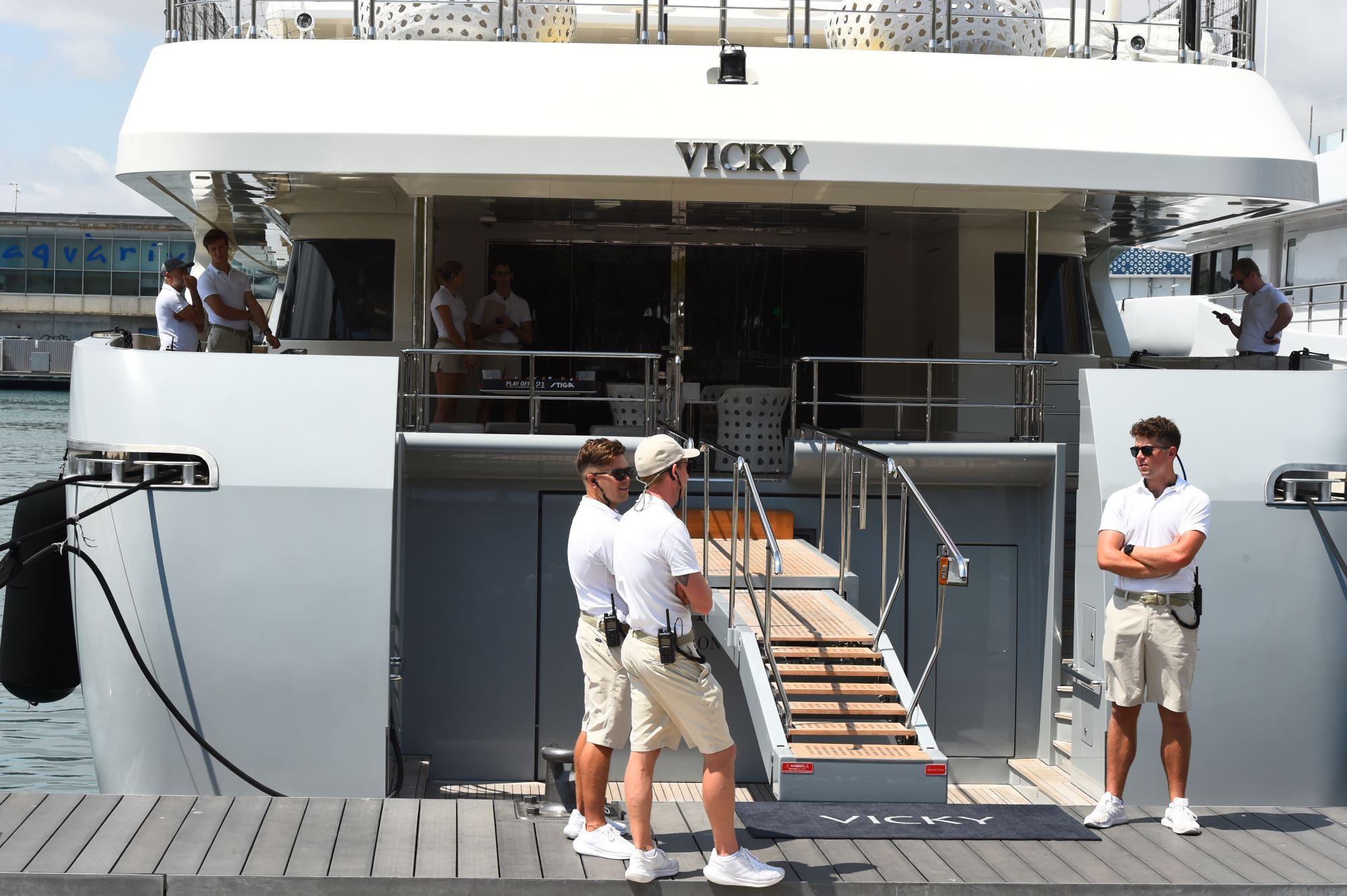
You cannot operate a serious yacht alone. It takes a team. A fifty-meter vessel needs ten to twelve professionals. The captain earns a hefty salary. Engineers command serious pay. Chefs, deckhands, and stewardesses all need wages, health care, and time off.
You are not just buying a boat. You are employing a small business. Annual crew costs easily hit six figures. For larger yachts, they sail past a million. These people are excellent at their jobs. Excellence costs money.
Fuel, Docking, and The Hidden Bleed
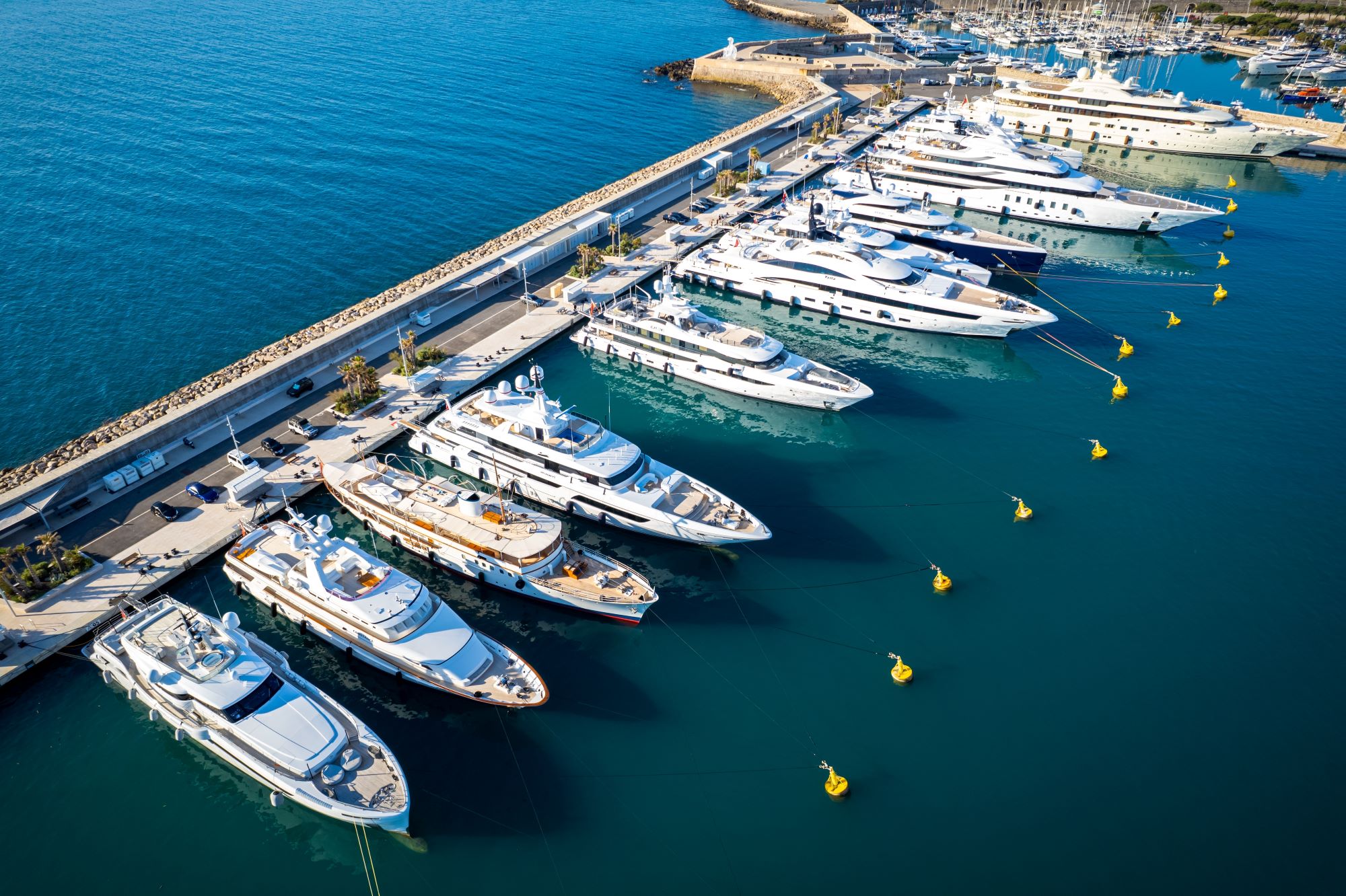
Fuel is a vampire. A sixty-meter yacht burns five hundred liters of diesel per hour while moving. That is roughly two thousand dollars an hour. Do the math on a two-week cruise. It hurts. Then you need somewhere to park.
Exclusive Mediterranean marinas charge three to five thousand euros per night. Annual berthing contracts run into the hundreds of thousands. Insurance adds another chunk. Expect to pay one to two percent of the hull value annually. It adds up faster than a tide coming in.
Surprises Love Saltwater
Boats live in a hostile environment. Saltwater corrodes everything. Sun damages upholstery. Constant vibration loosens fittings. You will face unexpected repairs constantly. A generator fails. A stabilizer acts up. The desalination system quits. These are not maybe events. They are when events.
Beyond routine upkeep, plan for a major refit every five to seven years. This costs millions. It is not a question of if. It is a question of when. Your budget must absorb these punches.
Toys and Connectivity
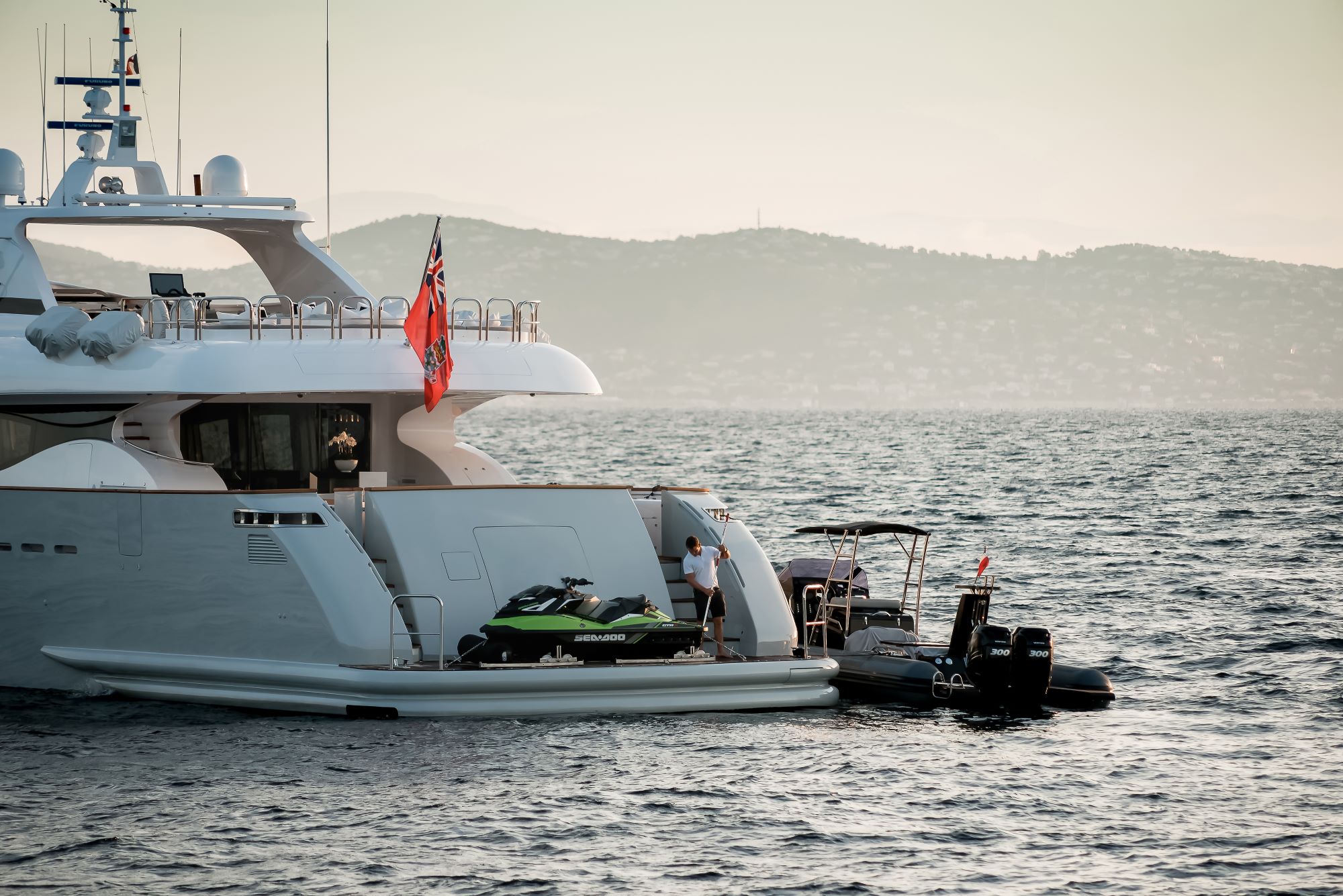
Guests expect entertainment. They want jet skis, scuba gear, and seabobs. They want inflatable slides and submersibles. Custom tenders alone can hit a million dollars.
Nobody expects to also pay for satellite internet. But you will. A reliable connection for guests and crew runs four to five thousand dollars monthly. It is a modern necessity. It is another line item on a very long list.
The Charter Mirage
Many buyers convince themselves chartering will cover costs. It helps, sure. It rarely saves you. Charter income might offset thirty to fifty percent of annual expenses. That still leaves you with a massive bill.
Plus, charter guests wear out your boat faster. More engine hours. More cleaning. More wear on everything. It is a business within a hobby. Do not depend on it to bail you out.
The Takeaway
Look, owning a yacht is incredible. It offers privacy, adventure, and memories no hotel can match. But you must walk in with open eyes. This is not an asset that appreciates. It is a lifestyle choice with a serious price tag.
Buy smart. Maintain relentlessly. Expect the unexpected. If you can stomach that reality, the water awaits. If not, chartering for two weeks a year suddenly looks very, very attractive.