The global luxury industry, now valued at $66 billion, has quietly reshaped what luxury actually means in your wardrobe. Not long ago, a bold designer logo was enough to signal status. Today, however, luxury feels more personal. It shows up in the details of your everyday outfits, blending refinement with comfort and intention rather than relying solely on recognizable labels.
At the heart of this shift lies customization. More than 75% of customers now expect personalized experiences from the brands they choose. You no longer want to simply wear what a fashion house dictates; you want to shape it. Luxury is no longer just about exclusive patterns or limited editions. It’s about participating in the creative process and wearing pieces that reflect your identity. At the same time, sustainability has moved to center stage, with 70% of consumers viewing eco-conscious practices as essential to modern luxury.
A decade ago, quality and aesthetics defined the standard. While they still matter, technology now plays a defining role in shaping expectations. Digital tools, sustainable materials, and seamless connections between online and offline shopping experiences have redefined access and engagement. Luxury has evolved from something reserved for special occasions into something woven naturally into your daily style—intentional, innovative, and deeply personal.
Personalization Is the New Status SymbolShutterstock
Fashion’s traditional landscape has changed dramatically. Today’s standout feature isn’t the designer label on your clothing—it’s your unique expression. Recent research shows only 13% of consumers think following the latest trends matters, while logo-displaying status symbols rank lowest in wardrobe priorities.
Why Individual Style Now Outshines Logos
Personal style has become the ultimate fashion statement. “Status symbols need to be scarce. They need to be hard to get,” explains Columbia Business School professor Silvia Bellezza, who documents how status markers have evolved. We can see a clear change from physical to immaterial signifiers—luxury worn from head to toe, once seen as aspirational, now seems unsustainable and excessive.
Many signature items from prestigious luxury brands have become “almost passé” because their widespread availability reduces their exclusivity. Modern consumers want deeper connections with brands through tailored experiences that mirror their identity, not just their spending power.
How Local Craftsmanship Is Redefining Premium Casualwear
Local production stands out as a powerful alternative to mass-manufactured fashion. American-made brands showcase quality craftsmanship and support local economies with meticulous attention to detail. This return to local production gives us a fresh perspective on global supply chains.
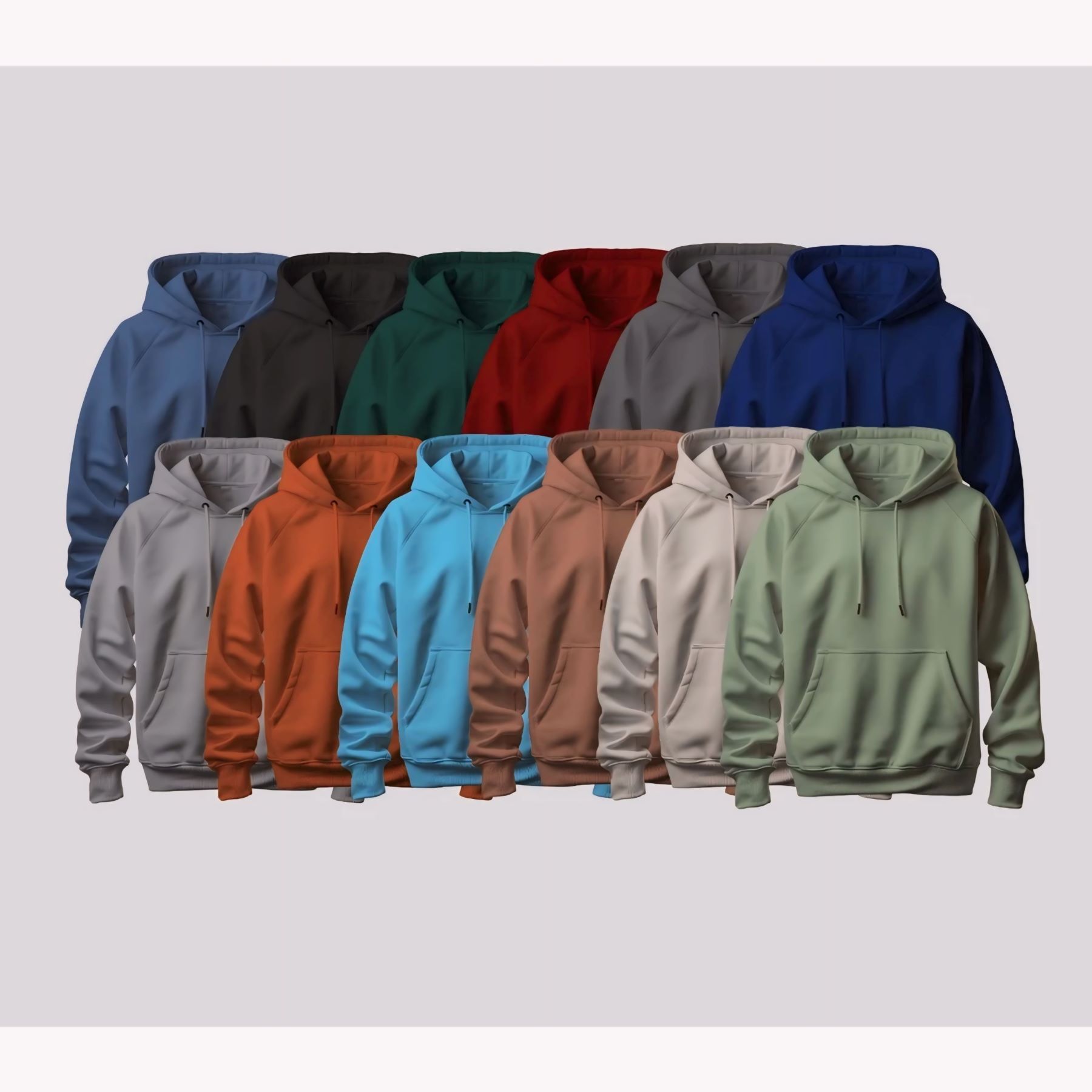
In fact, looking at where the items come from is a sound idea for those who are more environmentally minded. For instance, custom hoodies Toronto has to offer are often superior to what you could order overseas, and they don’t have to travel half the world to get to you.
The appeal goes beyond nationality—your clothing’s story matters most. Each locally-crafted piece brings its unique history, which builds a wardrobe that feels authentic rather than mass-produced.
When Comfort Becomes a Statement Piece
Comfort has reshaped the luxury scene, surprisingly. A complete study revealed that:
Over 81% of consumers put comfort before cost or style
More than half (52%) still rate looking good as important
Sales of “athleisure” clothing nearly doubled in just one year
“Comfort has become key for people… they have gained confidence to decide on products they feel good in and like wearing. Comfort is the new luxury,” notes Sarah Davies, Chief Product Officer at Unbound.
This fundamental change means you no longer need to suffer for fashion. The ultimate status symbol now shows in your confidence to prioritize feeling good in what you wear. Today’s fashion innovation celebrates this balance between comfort, personal expression, and thoughtful consumption.
Fashion Innovation Examples Making Luxury Accessible
Shutterstock
Technology is making luxury fashion available to everyday consumers faster than ever. These breakthroughs completely change how you shop, interact with brands, and show your personal style.
Digital Printing Technologies and On-Demand Production
Brands now create garments only after purchase through on-demand manufacturing. This new approach cuts down the 30% overproduction waste seen in traditional fashion. On top of that, digital printing lets brands create unlimited designs at the push of a button. They can now react to new trends without guessing what might sell.
The benefits are clear – less water used in production and precise ink application that cuts down chemical waste. Kornit Digital leads the way in nearshoring by bringing production closer to buyers. Delivery times have dropped from months to weeks, and personalized fashion has become more affordable.
AI-Powered Personalization in Fashion
AI now creates personalized shopping experiences by analyzing your browsing history, purchases, and social media activity to suggest products live. Swarovski’s AI Centers of Excellence show impressive results – their AI suggestions now make up 10% of website sales.
Platforms like Daydream let you “chat to shop” using simple prompts like “I need a black and white dress for an evening gala”. The AI helps you find exactly what you want from countless options based on your taste.
Virtual Try-Ons and Immersive Shopping Experiences
Virtual try-on technology uses AR to show how clothes would look on you without trying them on. The results are impressive – conversion rates jumped by 30% while returns dropped by 20%. Avon saw their conversions surge by 320% with this technology.
These immersive experiences help build stronger connections with brands. Products with 3D/AR content see up to 94% higher conversion rates. Buyers feel more confident about their purchases.
Sustainable Fashion Innovation Reducing Costs
The circular economy creates new opportunities for fashion businesses while helping the environment. Each piece of clothing thrown away means lost value for both makers and buyers. Digital production systems reuse excess ink, which makes sustainable production cost-effective.
Digital manufacturing streamlines processes through leaner operations and less inventory. Now, more people can afford custom-made, luxury-quality items.
The Role of Technology in Your Daily Luxury Style
Technology has become an invisible thread that weaves through our everyday luxury fashion experiences. Tech breakthroughs now combine smoothly with your daily style choices, going far beyond design studios.
Smart Fabrics and Wearable Breakthroughs
E-textiles are changing our wardrobe basics with remarkable features. These adaptive materials react to environmental changes, from temperature variations to chemical alterations. Temperature-regulating fabrics cool down automatically in excessive heat—making them ideal for everything from hiking to business meetings.
Sensor-enabled garments collect immediate biometric data that enables remote health monitoring. Modern fabrics outperform conventional materials. Some pull moisture away from the body while others can store solar energy.
Mobile Apps Bringing Designer Collections to Your Phone
Fashion apps have changed how we find and buy luxury items. Apps like Vogue Runway give you unlimited access to global runway shows from fashion capitals like Paris, Milan, and New York. Platforms such as Clotify act as both virtual fitting rooms and personal stylists.
Digital tools now connect physical and online experiences. Virtual try-on technology has increased conversion rates by up to 30% and reduced returns by about 20%.
How Social Media Disrupts Fashion Trends
Social media platforms have changed fashion’s traditional gatekeeping model. Today, 52.4% of global fashion shoppers look to Instagram for inspiration, while 51.6% use Facebook.
TikTok’s short-form video format encourages creativity and experimentation rather than perfection. The platform’s algorithm rewards engagement, regardless of your follower count, so anyone can start a viral fashion trend.
This shift has turned fashion from an exclusive industry controlled by designers into an open market. Now fashion enthusiasts directly shape global style conversations.
Why Sustainable and Personalized Fashion is the New Luxury Standard
Luxury has transformed. A new definition emerges where sustainability meets personalization. Consumer values have changed to emphasize personal expression and environmental consciousness.
Customization Services Now Available to Everyone
Customized products have become accessible to more people. Studies show more than 50% of consumers want to buy personalized items. Fashion brands see this trend clearly – 67% will spend more on personalizing clothes and shoes. This approach creates unique pieces and helps streamline processes by making products based on what people want.
Eco-Friendly Materials in Everyday Fashion
Eco-friendly materials have found their way into regular wardrobes, moving beyond luxury brands. Bamboo grows with minimal water and doesn’t need pesticides. Linen captures carbon and uses less water than cotton. Organic cotton grows without harmful chemicals. Luxury brands like Gucci now release yearly sustainability reports because more than 70% of their younger customers (under 40) think about ethical effects when they buy.
The Future of Fashion Technology in Daily Wear
Smart fabrics can regulate temperature, repel dirt, and neutralize odors. Nanotechnology creates self-cleaning surfaces that stop bacteria from growing. These advances make clothes last longer and reduce how much water we use washing them.
Rental and Resale Platforms Making Luxury Attainable
The secondhand luxury market has grown to USD 34.39 billion in 2023 and should reach USD 60.55 billion by 2029. Services like Rent the Runway let people wear designer clothes without buying them. State-of-the-art technologies like augmented reality and blockchain verification make these services even better.
Conclusion
Fashion no longer lives only on exclusive runways or behind velvet ropes. It has woven itself into your everyday routine, where personal expression carries more weight than any logo ever could. Modern luxury balances comfort and aesthetics, while technology reshapes access through digital printing, AI recommendations, virtual try-ons, and smarter, more functional fabrics.
At the same time, social media and sustainability have redefined influence and value. Creative individuals now shape trends, and eco-conscious materials appear at every price point. Rental and resale platforms expand access without excess. Luxury today feels personal, intentional, and lasting—clothing that reflects your identity, aligns with your values, and truly belongs in your closet.
Stay ahead of the curve. Join our free newsletter for insider updates on fashion, travel, and lifestyle, along with special offers reserved just for our readers.
Sign up to our free newsletter and be the first to know about the latest fashion, travel and lifestyle happenings, as well as exclusive reader events and offers
Stay ahead of the curve. Join our free newsletter for insider updates on fashion, travel, and lifestyle, along with special offers reserved just for our readers.