
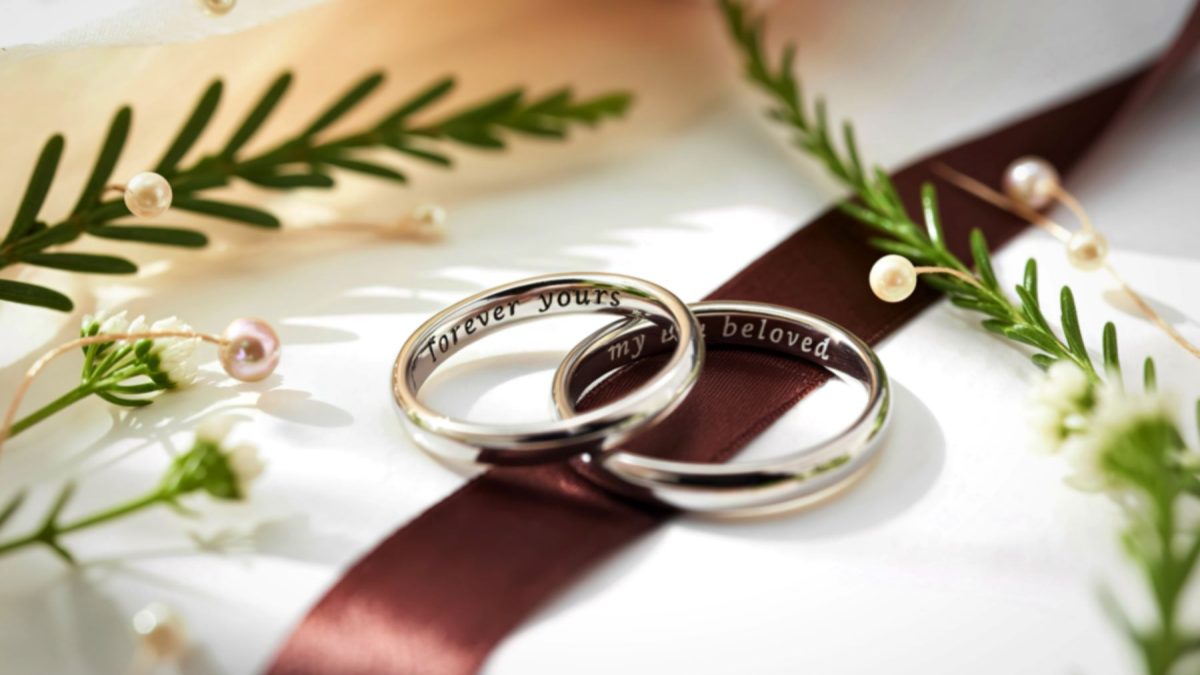
Few gifts carry the same emotional resonance as personalized jewelry. A name, a date, or a set of initials etched into metal can turn a simple accessory into something deeply personal.
Yet for anyone with sensitive skin or allergies, choosing the right piece requires more than just picking a design. Nickel sensitivity alone affects a significant portion of the population, and the wrong material can quickly turn a thoughtful gesture into an uncomfortable experience. Finding pieces that balance meaning with skin safety is entirely possible, though, and that’s exactly what this guide covers.
Skin-Safe Metals Worth Gifting
The safest starting point for anyone shopping for hypoallergenic jewelry is knowing which metals play well with reactive skin. Surgical stainless steel, titanium, platinum, and nickel-free gold top the list, each offering durability without the irritation that cheaper alloys tend to cause.
That irritation usually traces back to one culprit: nickel. Research shows that nickel is the leading cause of allergic contact dermatitis, affecting roughly 15–20% of the general population. Even brief contact can trigger redness, itching, and blistering for those with sensitivity.
Pure metals tend to be far gentler than blended alloys, so looking for nickel-free certifications on packaging or product listings is always a smart move. This is especially true for nickel-free jewelry marketed as “hypoallergenic,” since that label isn’t regulated everywhere.
Gold-plated jewelry deserves a closer look, too. The gold layer itself may be harmless, but the base metal underneath often contains nickel or other reactive compounds. Once the plating wears thin, direct skin contact with those hidden allergens begins. For recipients with sensitive skin, solid hypoallergenic jewelry options are a more reliable long-term choice.
Gold, Silver, or Titanium for Allergies?

Not all skin-friendly jewelry metals perform equally, and the differences matter most for pieces worn close to the body. Gold at 14 karat or higher, particularly in nickel-free alloys, remains one of the safest precious metal options for sensitive skin. The higher the gold content, the less room there is for reactive filler metals.
Sterling silver sits in a trickier category. While it looks beautiful and carries a classic appeal, it often contains trace amounts of nickel or copper. These additions can trigger gradual reactions, especially with prolonged wear. Ear piercings present a particular concern in the fashion accessories space because hypoallergenic jewelry for sensitive skin becomes essential when metal sits in pierced tissue for hours at a time, and even minor allergic reactions to earrings can cause persistent discomfort that discourages wearing the piece altogether.
Titanium and surgical stainless steel offer the most reliably hypoallergenic performance. Both resist corrosion and rarely provoke reactions, though they carry a more modern, industrial aesthetic that doesn’t suit every taste. For those willing to invest, platinum is the premium choice. It’s naturally inert, contains virtually no allergy risk, and holds up beautifully over decades of daily wear.
Individual reactions do vary, so what works for one person may not work for another. Pieces in the demi-fine jewelry range often strike a practical balance, offering quality materials without the full precious-metal price tag. Testing with a small piece before committing to a statement gift is always a reasonable approach.
Personalization That Stays Skin-Safe
The good news is that most popular customization methods work beautifully with the hypoallergenic metals discussed above. Engraved jewelry in titanium, platinum, or nickel-free gold retains its skin-safe properties fully, since the engraving process only affects the surface without altering the metal’s composition.
Birthstone additions do require a bit more attention. Bezel settings, where metal wraps around the stone’s edge, minimize exposed metal contact against skin compared to prong settings. That small design choice can make a meaningful difference for anyone prone to irritation.
Custom chain lengths and clasp types offer another layer of comfort-driven personalization. Lobster clasps in matching hypoallergenic metals, for instance, reduce the risk of a reactive surprise at the nape of the neck.
Minimalist jewelry in these same metals tends to age particularly well, offering timeless style without the complexity that can trap moisture or irritants against skin. Clean lines and simple forms also pair naturally with the understated elegance that personalized luxury accessories are known for. Ethical sourcing and thoughtful craftsmanship increasingly define this space, too, as buyers seeking personalized jewelry with allergy-conscious recipients in mind often find that responsibly made pieces align with both their values and their gift’s long-term wearability.
Why These Pieces Actually Last
A beautiful piece of personalized jewelry loses its purpose the moment it starts irritating the wearer’s skin. That’s why durability isn’t just about aesthetics; it’s directly tied to maintaining hypoallergenic integrity over time.
PVD coating has become one of the more reliable protective treatments available. This thin, vacuum-applied layer shields the base metal from exposure, preserving both the finish and the skin-safe barrier. Pieces treated with PVD coating tend to resist scratching and fading far longer than standard plating.
Anti-tarnish jewelry treatments serve a similar function for sterling silver and gold-plated jewelry, slowing the oxidation that dulls surfaces and eventually compromises protective layers. Once a coating wears through, the base metal underneath, often containing nickel or copper, comes into direct contact with skin again.
Not all metals need that extra protection, though. Titanium and platinum naturally outlast gold-plated alternatives without any coating at all, making them strong choices for sustainable jewelry that stays comfortable for years. Proper storage matters, too. Keeping pieces in lined pouches and cleaning them with gentle, non-abrasive solutions helps preserve both the finish and the skin-safe properties that made the gift worth giving in the first place.
How to Choose the Right Piece as a Gift
The first step in gifting skin-friendly jewelry is a simple one: ask about known allergies. Nickel sensitivity is the most common trigger, but reactions to copper, cobalt, and certain alloys also affect a notable number of people.
From there, prioritizing pieces with material certifications or transparent sourcing documentation helps confirm that “hypoallergenic” claims actually hold up. As earlier sections highlighted, that label alone isn’t always regulated.
Matching the personalization type to the recipient’s personality makes the gift feel intentional. Engraved initials suit minimalists who prefer clean, understated designs, while birthstone pieces resonate with more sentimental recipients.
The type of jewelry matters relative to skin contact, too. Earrings and watches sit against skin for extended periods, so they demand stricter allergy standards than pendants or brooches that rest over clothing.
For those working within a budget, demi-fine jewelry offers a practical sweet spot. These pieces use quality hypoallergenic metals and thoughtful personalized jewelry craftsmanship at a fraction of fine jewelry pricing, making them ideal for gifting without compromise.
A Gift That Feels as Good as It Looks
The most meaningful personalized jewelry does two things at once: it carries emotional weight, and it feels comfortable enough to wear every single day. That combination is what transforms a piece from a nice gesture into a lasting keepsake.
Choosing the right metal is part of the gift itself. It signals that the giver thought beyond appearance and considered the recipient’s comfort, too. That kind of thoughtfulness turns timeless style into something genuinely personal, where beauty and care sit side by side in every detail.