

There is something quietly revealing about the way a person listens to music. Not the playlist itself, but the ritual around it. Whether someone reaches for a sleek pair of noise-canceling headphones on a morning commute, carefully lowers a needle onto a vintage pressing, or winds the key of an heirloom keepsake before bed, that choice says something unmistakable about who they are. For the discerning listener, music is never background noise. It is an expression of taste, intention, and a life lived with care.
At the highest levels of appreciation, listening becomes an act of curation. The music-obsessed individual does not simply consume sound; they cultivate it. And in doing so, they reveal a great deal about the values they carry into every corner of their lives.
The Analog Resurgence and What It Signals
Vinyl’s return is one of the most culturally compelling stories of the past two decades. In an era defined by instant gratification and infinite digital libraries, a growing community of listeners has chosen to do things the slow way. They seek out pressings, clean records with care, and dedicate entire evenings to listening to an album front to back. That choice is not nostalgia for its own sake. It is a declaration.
The person who builds a vinyl collection is telling you something about how they move through the world. They value the tangible over the convenient. They find meaning in physical objects and the stories they carry. A well-chosen record, sourced from a shop with genuine editorial vision, holds weight that a streaming algorithm simply cannot replicate. For those drawn to British music in particular, curated collections featuring artists from David Bowie to Kate Bush to Adele represent a lineage of songwriting that rewards close listening. Finding those pressings through a dedicated British vinyl online shop is part of the pleasure: knowing that every title has been selected with intention, not assembled by data.
The ritual of vinyl is inseparable from a broader philosophy: that the best things in life ask something of you. Time. Attention. Presence.
The Object That Plays: Music as Heirloom
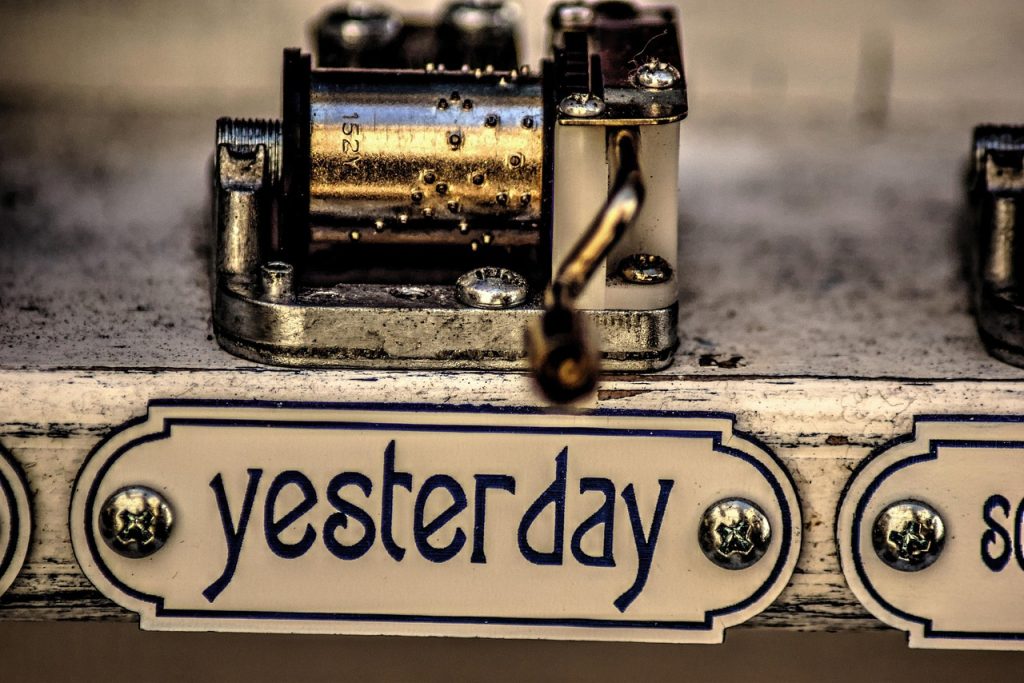
Long before the record player, there was the music box. These extraordinary instruments represent an earlier era’s answer to the same desire that drives audiophiles today: the wish to hold music in one’s hands, to possess it in a form that is beautiful and enduring. A well-made music box is not merely functional. It is an artifact of craftsmanship, a conversation between maker and listener that can span generations.
For collectors and gift-givers with a sense of occasion, the tradition of the jeweled musical egg occupies a particularly rarefied space. Inspired by the extraordinary work of Peter Carl Faberge, whose bejeweled creations for the Russian imperial family remain among the most coveted objects ever made, the Faberge-style musical egg merges the goldsmith’s art with the movement of a music box. These pieces, adorned with floral filigree and set with colored stones, play their melody when opened, offering a moment of quiet theater. Gifting one communicates something rare: that the recipient is worth more than convenience. Exploring a curated range of Faberge-style jeweled musical eggs is an encounter with that tradition. Each piece is a small luxury in the original sense of the word: something made slowly, with skill, intended to outlast the moment of its giving.
Objects like these sit naturally within a broader collecting practice. Starting a luxury collectibles journey is not defined by volume but by vision: a clear sense of what you are building and why.

Listening as a Lifestyle Philosophy
The way someone listens to music tends to mirror the way they approach everything else. The person who insists on high-fidelity audio in their home is often the same person who insists on well-sourced ingredients in their kitchen and quality materials in their wardrobe. Attention to sound is attention to quality, and quality is a habit of mind.
Consider the collector who spends a Saturday afternoon at a record fair, flipping through crates for a specific pressing. This is not an efficient use of time by any conventional measure. But the music-obsessed life was never about efficiency. It is about depth. The same person may spend hours researching the provenance of a wine, or traveling an hour outside the city to find the best version of a particular dish. For them, the object of attention matters less than the quality of the attention itself.
This approach to listening also shapes social life. The person who has built a thoughtful music room, outfitted with quality speakers and a collection of records and keepsakes, creates a space where guests feel they have arrived somewhere real. Sharing a record, handing someone a music box to hold and listen to, playing a song that rewards close attention: these are gestures of hospitality at its most considered.
The Gift of Sound
There is an art to giving music as a gift, and those who do it well tend to be exceptional listeners themselves. They pay attention to what a person loves, to what they have mentioned in passing, to the gap between what someone owns and what they desire. The best music gifts do not just give an object. They communicate recognition.
A first pressing of a beloved album, sourced from a thoughtful retailer, tells someone: I heard you when you talked about this. A jeweled music box, chosen for its craftsmanship and the specific melody it plays, tells someone: I thought about you at a level beyond the obvious. These are not gifts that come from a list. They come from paying attention.
For the truly music-obsessed, giving and receiving sound-related objects is a form of intimacy. The record played on a first date that later becomes a wedding song. The music box passed from grandmother to grandchild. The album that arrived at exactly the right moment and reoriented a person’s entire understanding of what music could do. Sound accumulates meaning over a lifetime, and the objects that carry it become irreplaceable.
Sound and the Considered Life
The music-obsessed life is not about owning the most or spending the most. It is about choosing with intention. The audiophile who spends weeks hunting for a specific pressing, the collector who selects a music box as a gift with the same care others bring to choosing a piece of jewelry, the listener who schedules time in the week to sit quietly with an album and do nothing else: all of these people are practicing a form of luxury that has nothing to do with price and everything to do with quality of experience.
In a culture that increasingly rewards speed and volume, the music-obsessed individual represents a different kind of aspiration. They have decided that some things are worth slowing down for. That a beautiful object, a perfectly pressed record, a melody that opens when you lift the lid, is worth seeking out and holding onto. That listening, done well, is one of the more profound things a person can do with their time.
The way you listen to music reflects the way you live. And for those who listen with care, that reflection is something worth being proud of.