There is a certain kind of boredom that money cannot cure: the kind that comes from having access to everything and taking genuine pleasure in almost nothing. It is the boredom of passive consumption, of watching rather than doing, of spending on things that do not ask anything of you. The antidote, as it turns out, is not more luxury. It is a better play.
The most interesting shift in affluent leisure right now is not toward more exclusive destinations or more rarefied dining. It is toward leisure that rewards skill, invites mastery, and produces the particular satisfaction that only comes from doing something well. Two activities, sitting on very different ends of the cultural spectrum, capture this shift with unusual clarity: bowling and the curated experience of light.
The Private Lane as Status Marker
Bowling has had a complicated relationship with its own image. For decades, it was the quintessential everyman sport, synonymous with rented shoes and laminated scorecards. That reputation has quietly been dismantled by a generation of affluent homeowners and hospitality designers who recognized something the masses had always known: Bowling is genuinely, compulsively enjoyable, and doing it well requires real investment.
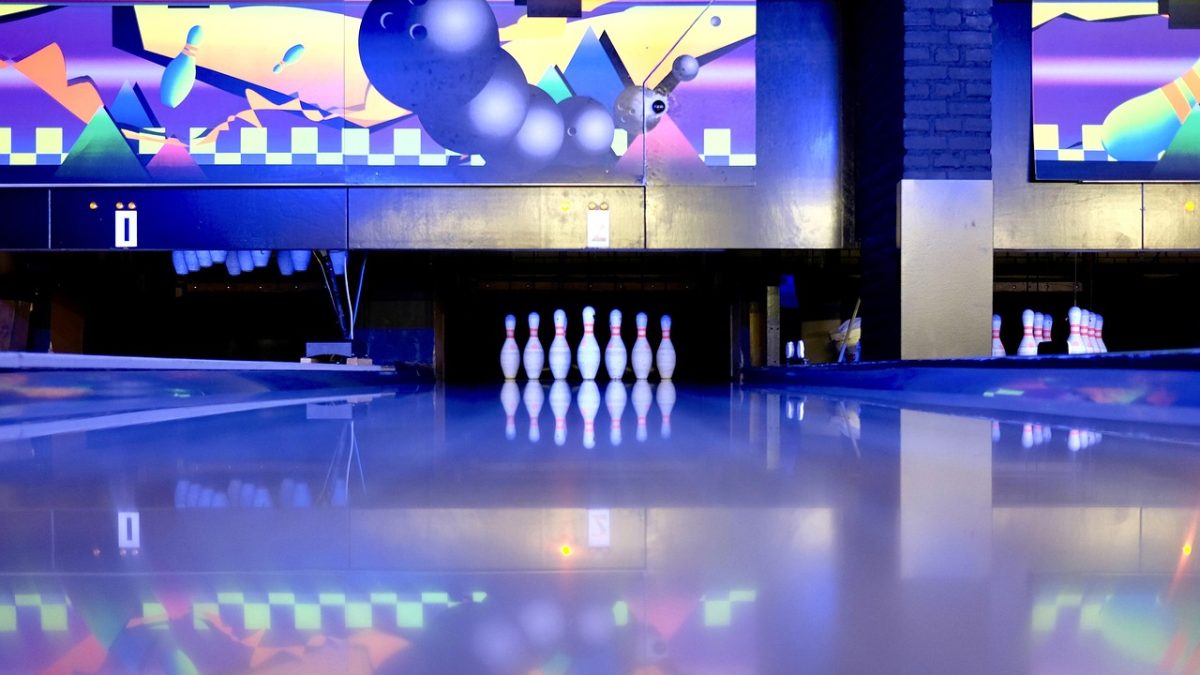
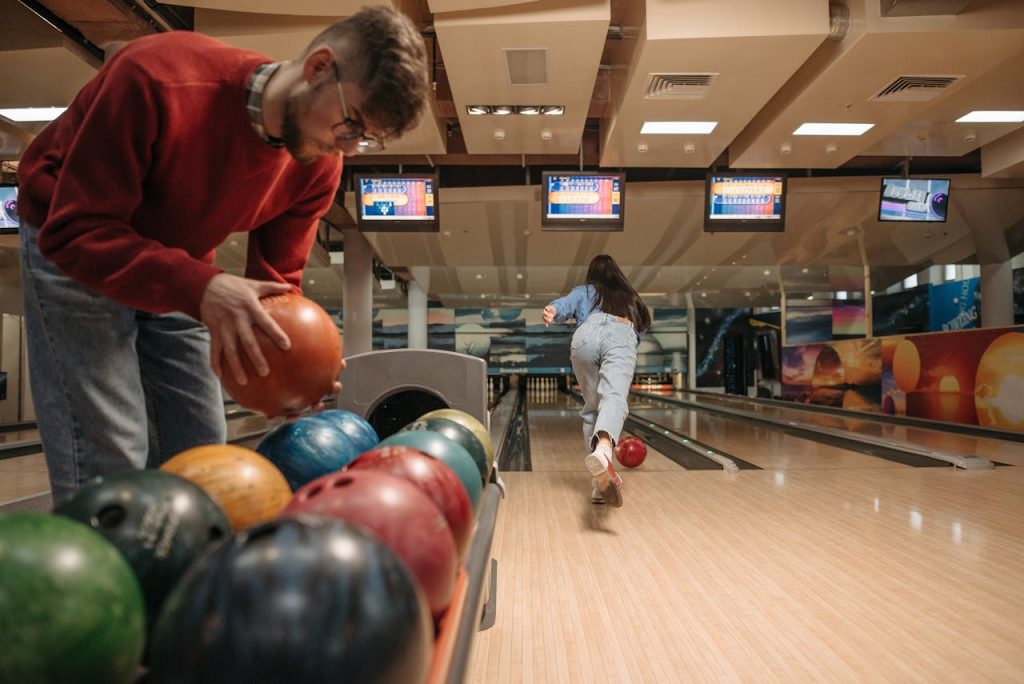
Private bowling lanes have become a fixture in high-end estate builds and luxury residential towers. The appeal is practical as much as it is aspirational. A private lane eliminates the social friction of a public alley while concentrating the pleasure: the satisfying weight of the ball, the focused geometry of the approach, and the deeply gratifying crack of a well-thrown strike. The sport rewards repetition and refinement. It rewards, in other words, the same disposition that affluent people tend to bring to everything else they care about.
Understanding what it actually takes to bowl a perfect game makes it clear why the equipment conversation matters far more than casual players assume. Lane conditions, ball surface, and release consistency all interact in ways that generic house equipment cannot address. Serious players who bowl regularly develop preferences as specific as any golfer choosing between shaft flexes or any skier selecting boot flex ratings. The ball has to match the bowler’s speed, rev rate, and preferred shot shape. The shoes have to allow consistent slide and grip for the approach style. Everything contributes to everything else.
The Spectacle of Light as Curated Experience
The other form of serious leisure gaining attention among the discerning has almost nothing in common with bowling except the word “craft.” Where bowling rewards physical repetition and kinetic precision, the luxury of light rewards preparation, attention, and the willingness to be genuinely astonished.
Celestial events have always attracted the intellectually curious, but the eclipse viewing party and the curated fireworks evening have recently graduated into experiences worth planning seriously. Part of this is the quality of the tools available. Part of it is a broader cultural reorientation toward experiences that ask you to pay attention to something real rather than something screened.
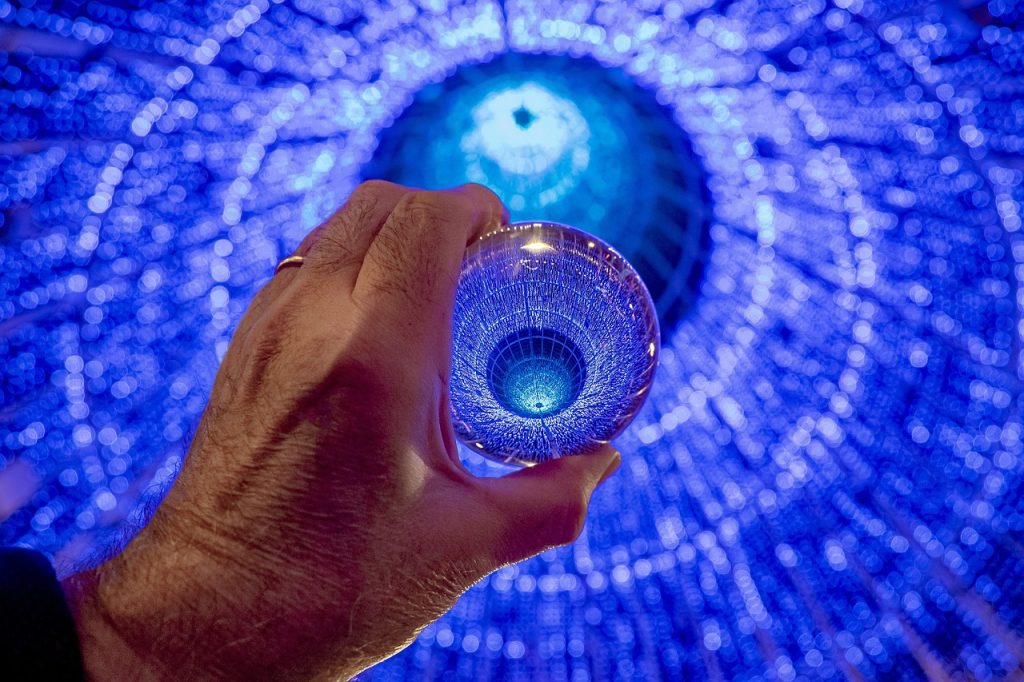
For private homes, suncatchers that fill rooms with dancing rainbow light offer the domestic version of the same principle: transforming something ordinary, sunlight through a window, into something that moves and surprises and shifts through the day. The scientific phenomenon behind them, diffraction and the separation of white light into its component wavelengths, is the same one at work in every prism, every rainbow, and every fireworks display viewed through the right lens. The home that understands this and plays with it intentionally is making a statement about how its occupants choose to live.
Building the Leisure Life Intentionally
Both of these pursuits point toward the same underlying principle. A room designed for passive television watching is a very different proposition from a room designed around a single lane, a bar, and the sounds of a well-executed game on a Friday evening. One is a consumption space; the other is an experience space.
The same logic has been applied to concepts like Drive Shack’s interactive golf venues, where the appeal is not simply access to equipment but the layering of skill, competition, comfort, and social energy into a single hour. The luxury is in the completeness of the experience. Every detail anticipates what the participant needs next.