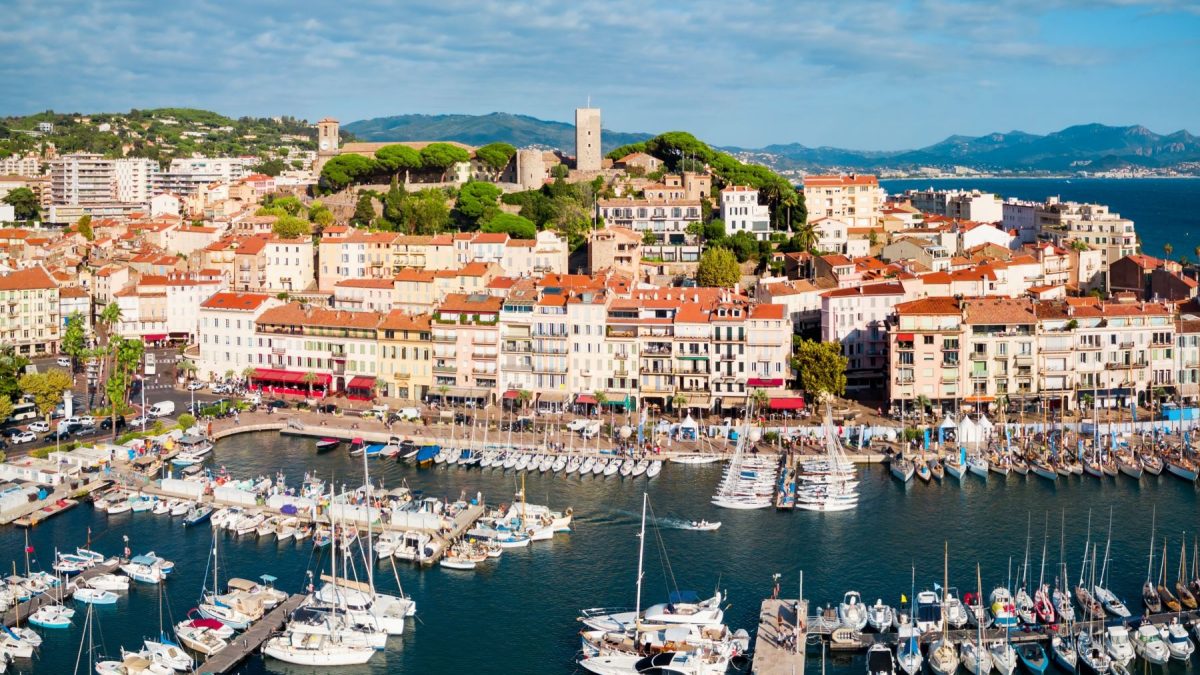
Cannes sits about 25.1 kilometers from Nice Côte d’Azur Airport, and the trip can take less than 34 minutes in good conditions. That short distance makes Cannes easy to reach, but the way a traveler moves from the airport can shape the whole stay. A smooth arrival saves time, cuts stress, and sets the right tone for the French Riviera.
Why Arrival Planning Matters
Many visitors land in Nice after a long flight. They may carry bags, wear formal clothes, or head straight to a hotel, yacht, villa, or event. In those cases, the best transfer is often the one that removes friction. Instead of waiting in a line, figuring out train changes, or standing by the road for a car, they may want a direct plan that feels calm from the first step. Nice Airport gives access to taxis, trains, tram links, and long-distance bus services, so there is no lack of choice.
The Main Ways to Reach Cannes
By Taxi From the Terminal
A taxi is one of the simplest ways to leave the airport. Nice Airport has listed official taxi ranks at Terminal 1 door A1 and Terminal 2 door A3. This matters because tired travelers can follow clear signs and avoid random offers in the arrivals area. For guests with heavy luggage, hotel bookings on the Croisette, or late evening arrivals, a taxi gives door-to-door ease.
By Train With a Short Airport Link
Train travel also works well for many visitors. The airport states that Nice Saint Augustin station connects directly with the airport area, and free tram links connect Terminal 2, Terminal 1, and Grand Arénas. From there, travelers can board regional rail services toward Cannes. This option often suits light packers and travelers who want a practical route into town.
By Coach or Bus
Nice Airport also serves long-distance buses from Terminal 1. That can be useful for visitors who want a lower cost option, though it is usually less private and less direct than a car transfer. A shared coach can work for some leisure trips, but it may not match the pace or privacy expected by guests heading to a meeting, a festival stay, or a short luxury break.
When Style Matters More Than Price
Travel in this part of France often carries a different mood. A guest may be heading to a film event, a business summit, a marina, or a private stay on the coast. In those moments, the trip from the airport is not just a commute. It is part of the day’s image, timing, and comfort. A slower public route may still be fine, but some travelers want privacy, speed, and a strong sense of control from arrival to check-in. Cannes is known for high-profile events, including the Cannes Film Festival from 12 to 23 May 2026, so transfer planning often matters more during peak periods.
A Fast Air Option for Tight Schedules
Road traffic on the coast can change the feel of a short journey. For that reason, some travelers prefer taking a helicopter to Cannes when speed and timing matter most. This kind of route fits guests who want a quick move between the airport area and Cannes, especially during major event days or tight hotel check-in windows. The appeal is simple: less time on the road and a more direct path into the city.
Choosing the Right Transfer for the Trip
Leisure Guests
A couple on a short break may care most about ease. A direct car can make sense after a flight, especially with bags. A train can also work if the hotel is near Cannes station and the traveler wants a lower-cost route. The best fit depends on luggage, arrival time, and how much movement the guest wants after landing. Guests who plan dinner soon after arrival may also place more value on a direct ride than on saving a small amount of money.
Business Travelers
A business guest often values timing above all else. A missed meeting or a slow handoff at the terminal can affect the whole day. For that reason, direct transfer planning is often a better fit than making choices on arrival. A route with fewer steps also helps when the traveler carries work gear or needs quiet time before a meeting. For travelers who want one place to compare a premium air transfer route, operators like Hoper offer a clear starting point for the Cannes journey.
Event and Festival Guests
Cannes hosts major events year-round at the Palais des Festivals et des Congrès, and the site sits close to the train station and the seafront. During busy dates, streets can slow down, and hotel arrivals can stack up. That is why many event guests plan their transfer well before the flight. A reserved option can remove guesswork at the exact time the city gets busiest. Guests arriving for fashion, film, property, or media events often place a high value on timing, privacy, and a clean arrival process.
What to Check Before Booking
Terminal and Pick Up Flow
Nice Airport has two main terminals, and the airport publishes clear directions for taxis, public transport, and inter-terminal movement. That matters because a traveler should know where the driver, taxi rank, or tram link will be before baggage claim ends. A simple pick-up flow can save real time on a busy day. It can also reduce stress for first-time visitors who do not know the airport layout.
Luggage and Group Size
Not every transfer suits every bag count. A solo traveler with one case can move far more easily than a family with strollers and large suitcases. Group size also affects comfort. Even a short route can feel long when space is tight. A direct transfer often makes more sense when the party includes children, formal wear, or extra gear for work or an event.
Timing on the Riviera
A smart plan leaves room for traffic, check-in, and event security. Even though Cannes can be reached from the airport in less than 30 minutes in good conditions, that should not be treated as a fixed rule for every hour of every day. The safer move is to book with a margin. This is even more useful in spring and summer, when the coast draws leisure guests and major event crowds.
Station Access and Final Distance
Train travel can be very efficient, but travelers should still think about the final leg after Cannes station. The Palais des Festivals says the station is only five minutes on foot from the venue, which is useful for some event guests. Yet travelers staying in hillside villas, private homes, or marina-side hotels may still need a car after the train. That extra step can shape which option feels easiest in real life.
How the Best Choice Changes by Arrival Time
Morning arrivals often have the most energy for a station transfer or a shared coach. Late evening arrivals are different. After dark, many visitors prefer a route with fewer steps and less waiting. The same logic applies after a long-haul flight. A traveler who has crossed several time zones may value calm far more than a small fare saving. This is why the transfer style is personal. The same train that feels simple for one guest may feel tiring for another.
A Smoother End to the Search
The best transfer is the one that fits the purpose of the stay. Some visitors want the lowest fare. Others want the fewest steps. Others want a polished arrival that feels calm and private from the first minute after landing. A thoughtful transfer choice also helps keep the first day on schedule. It gives room for hotel check-in, lunch plans, meetings, or rest by the sea. That is often what travelers want most after landing: a route that feels simple, clear, and suited to the purpose of the trip from the very first moment.
Cannes may be close to Nice Airport, but a good arrival still takes planning. With the airport linked to taxis, trains, trams, and buses, every traveler can find a route that works. The real difference comes from matching the transfer to the trip. When time is tight, luggage is heavy, or the stay calls for a refined arrival, a well-chosen transfer can make the whole journey feel easier from the start.