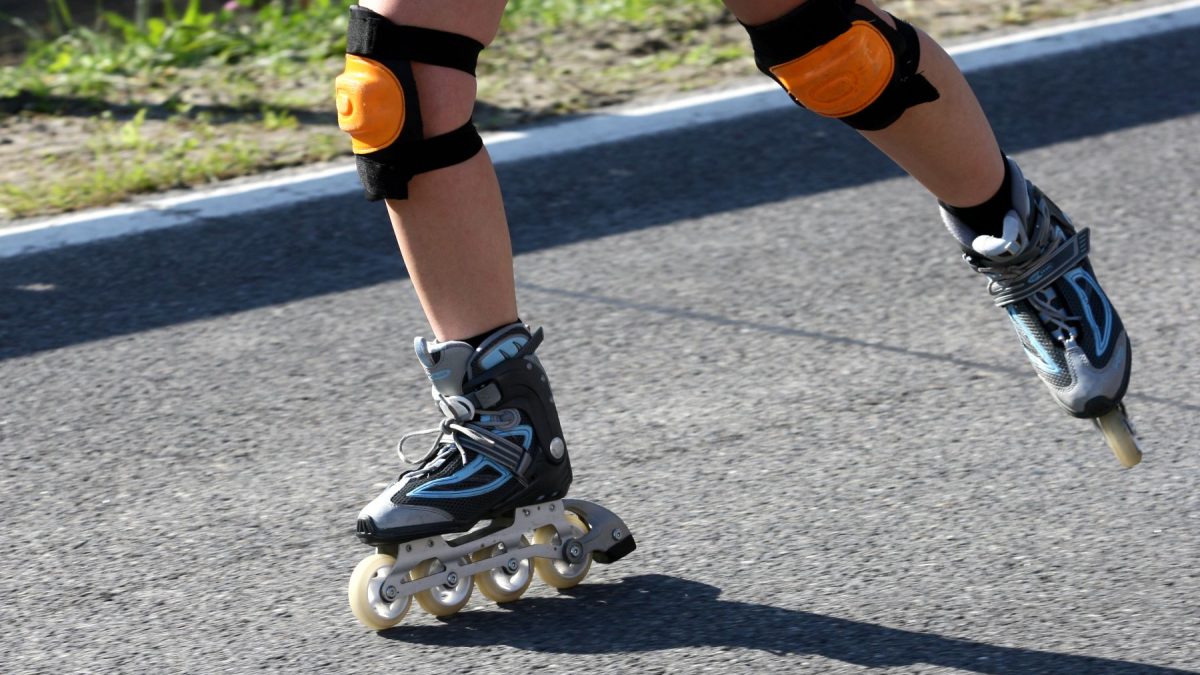
For short, photogenic loops where outfit and movement matter, inline skates, also known as roller blades, are the better choice: they offer a cinematic glide and high mobility on smooth paths. For longer trips, heavy shopping or hilly routes, a bike or a folding bike is the more practical and comfortable option. In short: choose skates for short- to medium-distance travel with light cargo and a focus on movement shots; choose a bike for cross-city travel, carrying market hauls or camera gear, and for anything that involves sustained climbs or uneven surfaces. Always put safety first; helmets save heads. Bicycle helmets are required statewide in Australia, and local rules about skating helmets vary by council, but wearing one while skating is strongly recommended.
Speed, distance and real-world examples
Bikes generally cruise faster and farther with less fatigue, making them ideal for cross-city trips and errands. Casual urban cycling speeds commonly sit around 15–25 km/h, which makes distances of 8–15 km or more comfortable and efficient. Inline skates average roughly 8–15 km/h for most urban skaters and shine on circuits of about 2–10 km: think riverside promenades and foreshore loops where the surface is continuous and smooth. For example, Sydney’s Barangaroo to Circular Quay, a 4–6 km foreshore stretch with smooth paths and water vistas, is perfect for skates; by contrast, riding from Melbourne CBD to Brunswick, an 8–10 km trip with café stops and the need to carry a camera bag, is easier and more relaxed by bike.
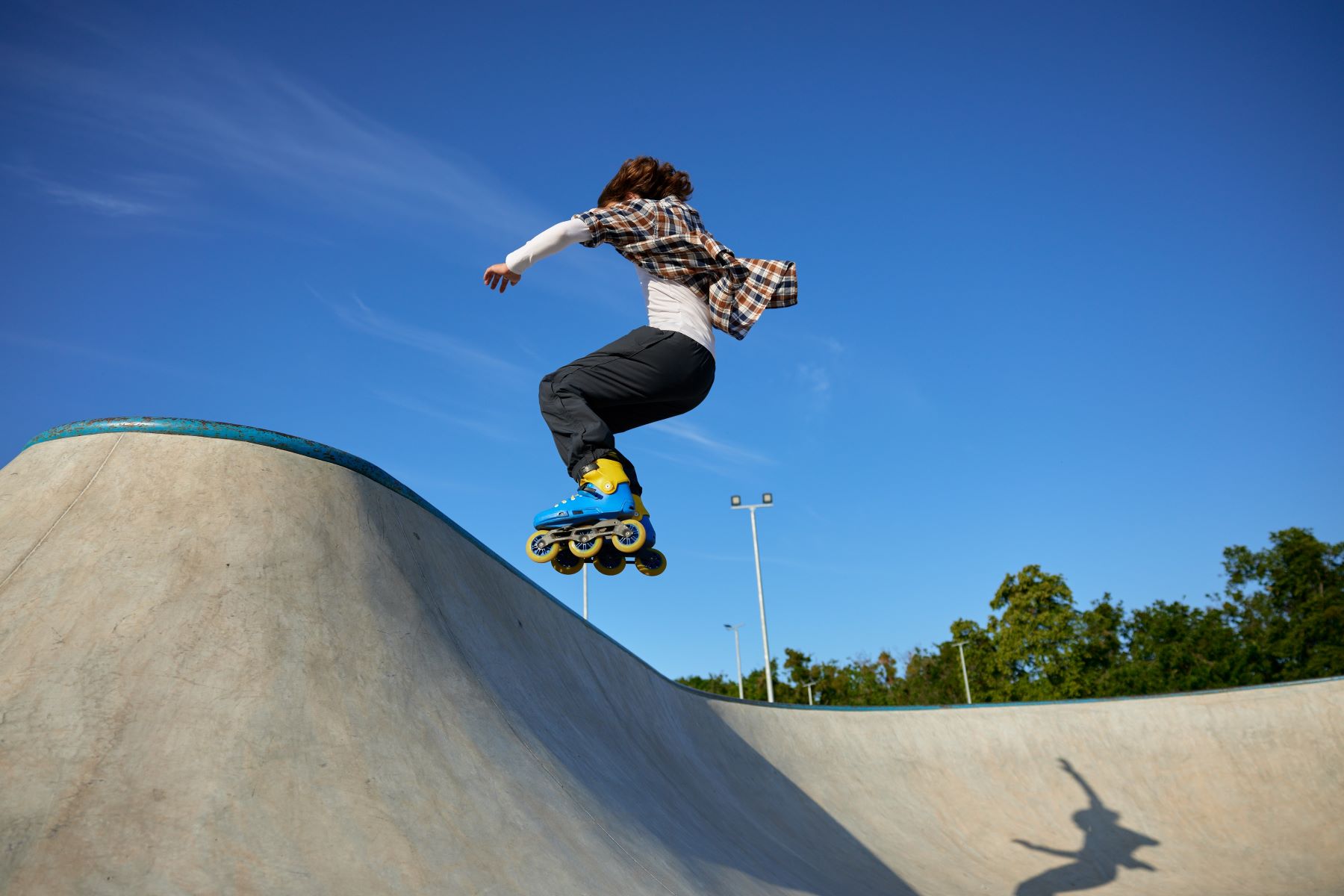
Cargo, portability and multimodal travel
Inline skates are compact and easy to tuck into a leather backpack or carry with discreet wheel straps; they suit minimalist photographers who want to switch into heels or stylish shoes for photos. Bikes handle larger loads, panniers, market hauls and camera bags more gracefully; a low-profile leather pannier or a front basket keeps the silhouette chic without adding bulk. When combining modes of transport, skates integrate well with trains and ferries if you can stash everything in a backpack; folding skates or a compact carry strap make transitions slick. Folding bikes and lightweight commuters fold for carriage on many trains and are easier to manage during peak-hour transitions in Australian cities, though always check your local Metro, QR or tram operator’s policies.
Storage, theft and urban logistics
Bikes are a more obvious target for theft; use a hardened D-lock and secure it through the frame and rear wheel to an immovable object. Skates reduce locking worries, but carrying them all day can become a burden if you prefer not to wander like a tourist with gear. Practical, style-minded solutions include a slim leather backpack with internal straps that conceal wheels, a skate-carry strap that tucks into a belt pouch, and a folding lock or a colour-matched D-lock that looks intentional while deterring thieves. Removable saddlebags or panniers that you can bring inside cafés also reduce the risk of theft and preserve a tidy look.
Surface types, braking and protective gear
Surface matters more for skates than bikes. Smooth promenades and dedicated cycle paths are friendly to both skates and bikes, offering ideal conditions for stylish shots. Cobblestones and rough pavers, such as parts of The Rocks in Sydney, are best avoided on skates; bikes with wider tyres cope better but will still slow down. Tram tracks in Melbourne are a particular hazard for skaters because skate wheels can catch in the grooves; cyclists should cross the tracks at right angles and take care. Wet sandstone and algae on river edges, common on some Brisbane and coastal boardwalks, are slippery for both modes of dismount, walk or choose a different route.
Skates rely on technique, T-stops, plough stops and heel brakes, where fitted and balanced; novice skaters should practise emergency stops in a park before venturing into city streets. Bikes offer mechanical brakes and more immediate stopping power for sudden obstacles. For protective gear that complements a city wardrobe, choose minimalist urban helmets or leather-look shells in neutral tones, low-profile knee and elbow guards that slip under clothing, and thin leather or padded cycling gloves. Legally, bicycle helmets are mandatory across Australia; local regulations on skating helmets vary, but wearing one is the safest and most courteous option.
Fitness and mobility benefits
Skating engages the glutes, hip abductors, and lateral stabilisers, and provides an excellent balance and coordination workout. It burns calories at levels similar to cycling at comparable exertion but adds a coordination challenge. Cycling emphasises the quads and cardiovascular endurance, and it is easier to sustain for longer periods. If you want a balance-and-toning session with a stylish glide, choose skates; if you prioritise distance, endurance and carrying capacity, opt for a bike.
Style-first wardrobe and outfit guidance
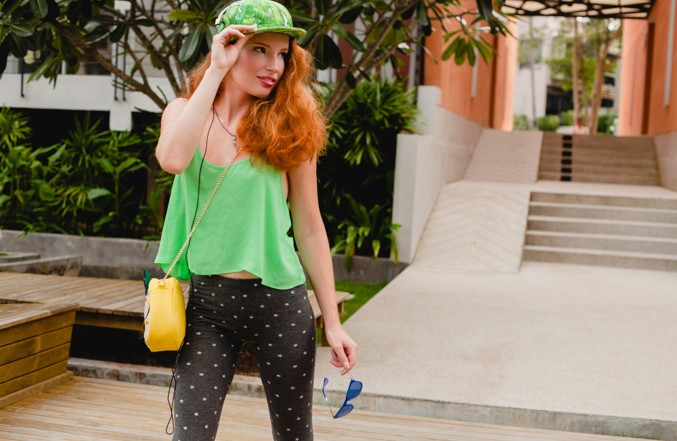
Clothing should balance mobility, safety and photogenic form. Fabrics with stretch or elegant drape, such as stretch twill or ponte knit, move well and look tailored. Lightweight outerwear, such as a cropped trench or a structured bomber, photographs beautifully and comfortably conceals slim pads. For quick changes after a ride, pack fold-flat shoes or an ankle-wrap heel in a compact pouch. Skate boots are the functional look on the move; for post-ride photos, swap to low-profile leather sneakers or ankle boots. Cyclists can favour minimalist sneakers or secure sandals with grip and change into polished footwear at stops. Outfit examples include a tapered, tailored jogger with a fitted mock-neck and a matte charcoal helmet for a skater look; a lightweight midi dress layered over technical leggings with a retro commuter helmet for a cyclist vibe; and a neutral trench with neat leggings and a minimalist backpack that hides skate straps for a transitional, camera-ready silhouette.
Fashion-forward gear and accessories. When choosing helmets and protective gear, look for matte finishes, leather textures, or Scandinavian minimalist brands that blend safety with style. Small touches, such as a tucked silk scarf or a leather visor, add photogenic detail while staying safe during movement. Bags and panniers in leather, waxed cotton or canvas attach low and preserve your silhouette; internal straps can hide wheels, and skate-carry straps fold into belt pouches for minimal visibility. For bikes, aim for decorative yet strong anodized D-locks in muted tones that read as intentional accessories and removable panniers you can bring inside cafés.
Route planning and what makes a route stylish
A stylish route has smooth surfaces, photogenic backdrops such as water or heritage architecture, low traffic, and good café stops. Suggested Australian routes include Sydney’s Barangaroo promenade to Circular Quay, Melbourne’s Yarra River and laneways loop (avoiding narrow streets with tram tracks) and Brisbane’s South Bank riverside circuit, where mornings offer soft, golden light for photos. Plan routes off-peak for emptier paths, consult local council maps and community ride apps for surface notes, and avoid heavy tram or bus corridors if you intend to skate.
How to decide
Decide by considering the distance you plan to cover, the size and weight of your cargo, surface quality, photo and outfit priorities, and your personal confidence on skates or a bike. For a short photogenic loop with café stops, choose inline skates. For a full-day city tour with shopping, opt for a bike or folding bike. For mixed transit and sightseeing, a folding bike or skates with a compact bag are excellent choices. If you’re a first-time skater in city streets, either practise in parks first or choose a bike until you feel confident.
Conclusion and next steps
Both inline skates and bikes can be stylish and practical for exploring Australian cities. Pick skates for short, smooth, photo-first outings and bikes for distance, cargo and hilly routes. For more shopping-ready and safety-focused choices, consult tailored gear guides and local route maps for Sydney, Melbourne and Brisbane. Share your outfit and route photos with #CityStyledRide for a chance to be featured.