The traditional markers of a high-end holiday were fairly predictable. The number of stars on the door or the thread count of the sheets dictated the quality of a trip. But lately, the conversation has shifted, and it’s not so much about the gilded lobbies of international chains, or the white robes hung by the claw-footed bathtub.
Bigger Picture
These days, the real sense of luxe isn’t about the suite or the turndown service. It’s about the bigger picture and the broadest concepts behind the hotels we find ourselves. Luxury is no longer about how much you can spend on a room, but about how that room makes you feel.
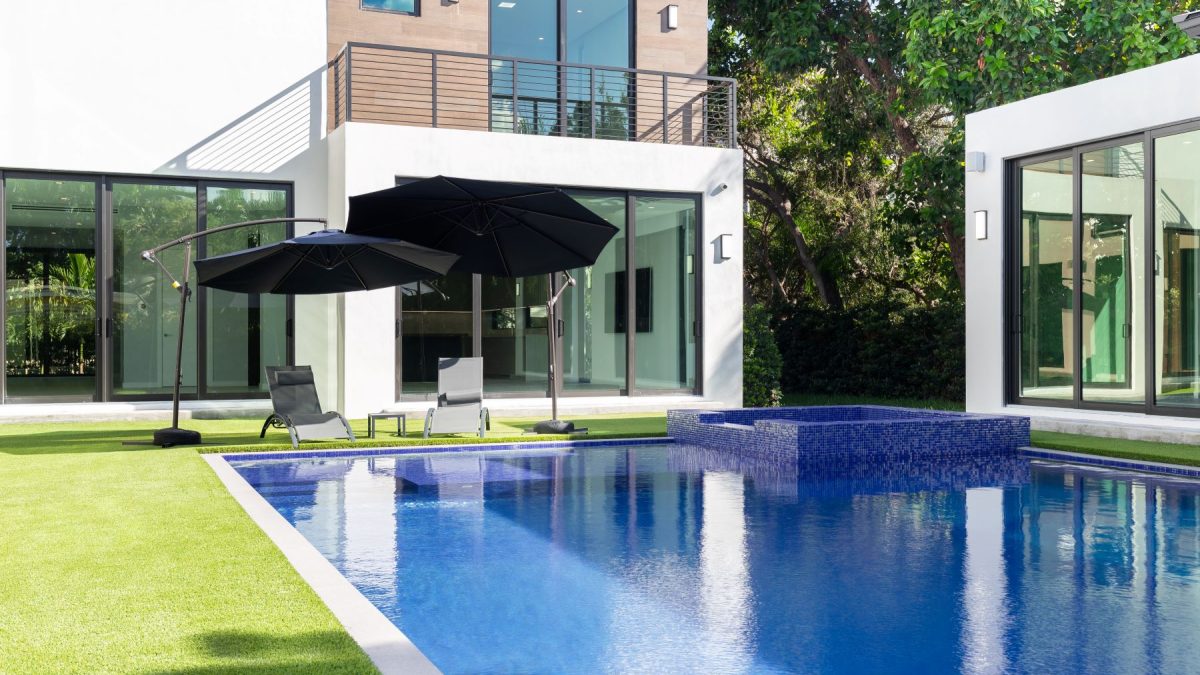
People are no longer satisfied with a room that looks the same in Paris as it does in Tokyo. Instead, there is a growing appetite for architectural travel. There’s a desire to inhabit spaces that tell a story through their design. Whether it is a brutalist villa tucked away in a pine forest, a mid-century modern pavilion, or a historic castle. Each has been carefully modernized, and the building itself has become the main event. These structures offer more than just a place to leave your bags. They provide a physical manifestation of a specific artistic vision that you can live inside of, even if it is only for a weekend.
There is a certain groundedness in choosing a stay based on its bones. A well-designed treehouse offers a connection to the environment that a penthouse suite simply cannot match. These unique stays provide a sense of place that feels earned rather than bought. When you stay in a repurposed industrial loft or a minimalist concrete retreat, you are engaging with the vision of an architect, and that brings a level of cultural currency You start to notice the way the light hits a specific corner at noon or how the sound of the wind changes as it passes through a narrow corridor – details that would be lost in a standard, homogenized hotel room.
Stunning Luxury Destination Trends
As travelers lean toward more authentic and visually stunning luxury destination trends, the search for accommodation has become an art form in itself. Finding these rare architectural wonders requires a tool that looks beyond standard hotel chains. Many sophisticated planners now turn to cozycozy to scan the entire landscape of available stays, filtering by unique property types to ensure their next destination is as much a masterpiece as the scenery surrounding it.
Mid-century Modern Homes
The appeal of these spaces often lies in their refusal to be generic. In a world of filtered photos and curated feeds, the raw honesty of a mid-century modern home. The quirky geometry of a sustainable eco-pod offers a refreshing change of pace. It is about the tactile nature of the materials. The cool touch of exposed stone or the warmth of reclaimed timber and how those elements influence the way we feel. People are looking for something that feels intentional and deliberate.
There is a quiet satisfaction in knowing that your choice of accommodations. They reflect an appreciation for craftsmanship and a desire for an experience. It cannot be replicated by just checking into a well-known global brand. By choosing a space with its own distinct personality, the trip becomes less about ticking off landmarks. It’s more about the atmosphere created by the walls around you. There’s a sense of the people who came before – whose vision will outlast any of us, and transform a small pocket of the world for everyone lucky enough to pass through it.