To understand Montauk Yacht Club, you first have to understand the Hamptons, and to understand the Hamptons, you have to understand that this storied stretch of Long Island’s South Fork is not one place at all, but many.
Southampton is old money and older hedgerows. East Hampton is where the art world migrated and stayed, its main street now resembling a high-end designer runway. Bridgehampton is equestrian and agricultural, all farm stands and open sky. Sag Harbor is a genuine 19th-century whaling town that marries hip with history. Amagansett is the luxe and lowkey surfer’s gateway, the last town before the road thins out and the Atlantic takes over.
And then, there is Montauk.
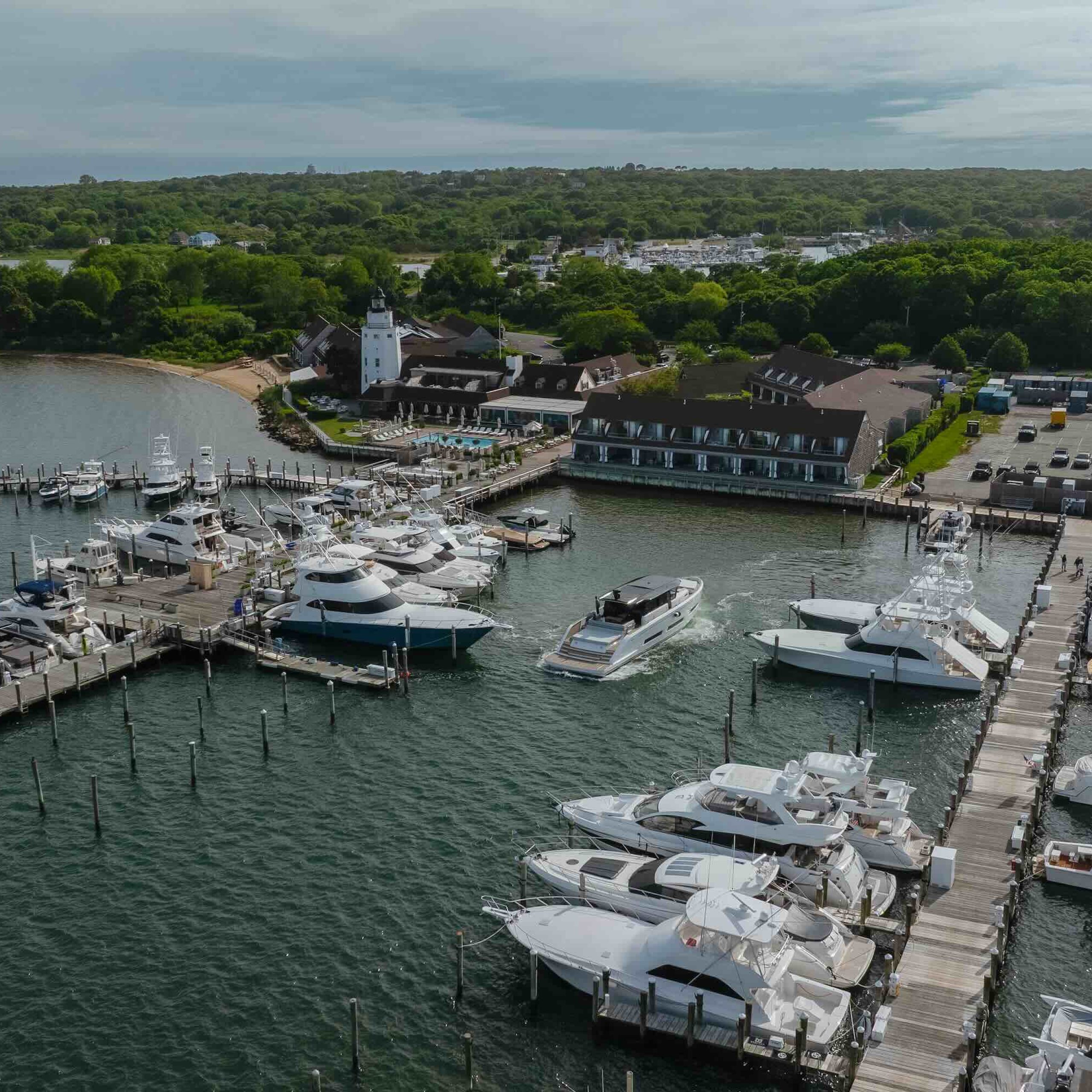
The End of the Road, and the Beginning of Something Else
Montauk is where the Hamptons stop being the Hamptons and become something a bit saltier and wilder. This is the furthest tip of Long Island, where the Atlantic stretches beyond and where the old fishing village and the new scene have reached a genuine understanding. Summer nights here pulse with bonfires on the beach and laughter spilling from outdoor tables. Mornings still belong to the charter fleet heading out before breakfast in pursuit of striped bass and bluefish. Visitors wear their allegiance with t’s and hoodies purchased at the numerous souvenir shops in town.
And Montauk Yacht Club provides a front row seat.
Nearly a Century of Getting It Right
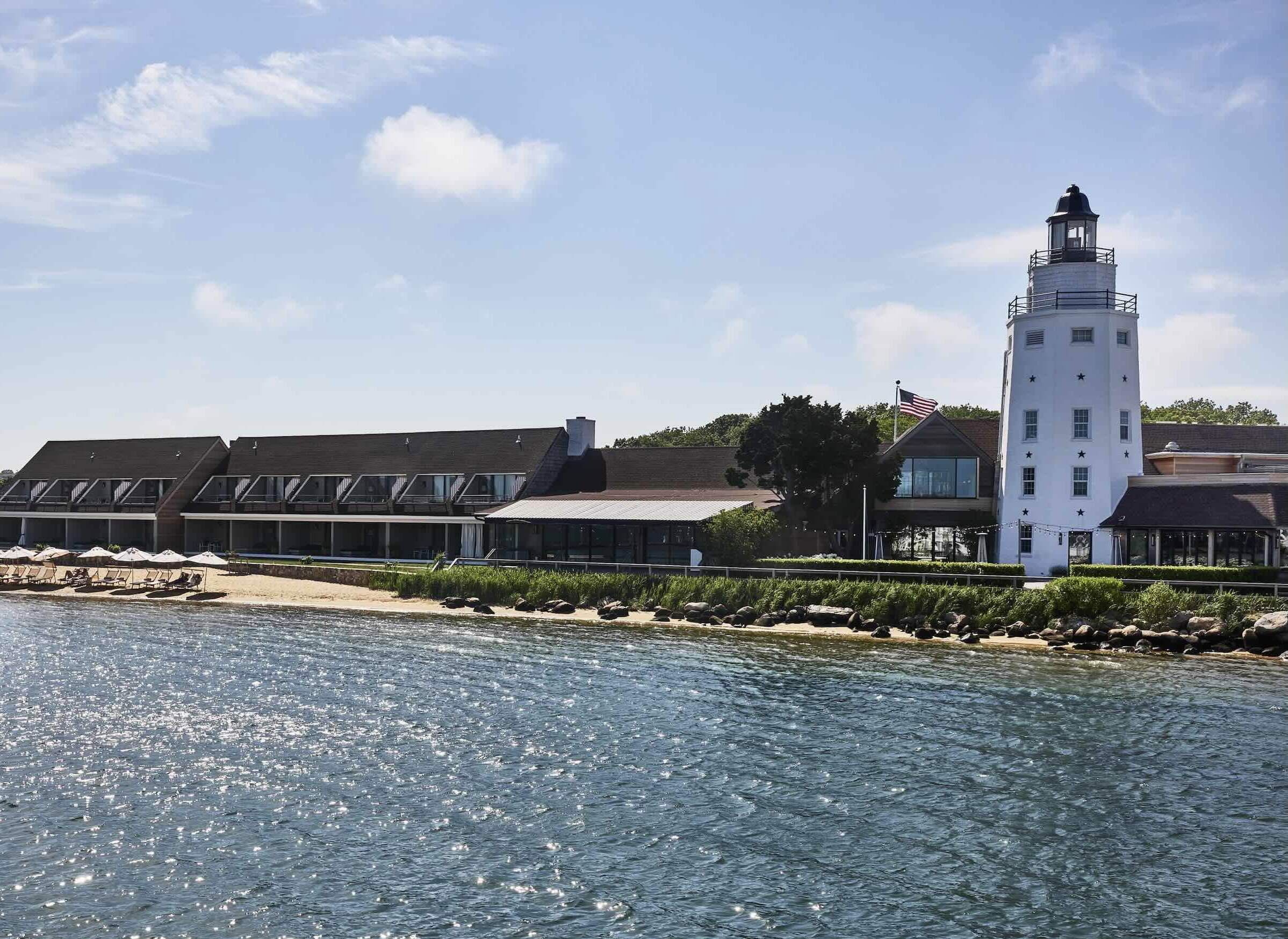
Founded in 1928 by Carl Fisher — the same visionary who carved Miami Beach out of a mangrove swamp — the resort was conceived as a playground for the social elite at the far edge of the known social world. Vincent Astor docked here. So did J.P. Morgan, Edsel Ford, and Harold Vanderbilt. Charles Lindbergh simply flew his seaplane into the harbor and tied up at the marina. The early membership rolls read like a ledger of American ambition, and the 16 sun-drenched acres along the glassy edge of Lake Montauk absorbed all of it — all that ego, all that ease, all that money and salt air and summer confidence — and kept it.
Nearly a century later, it’s still here.
In 2024, Proper Hospitality (the award-winning group behind some of the country’s most distinctive lifestyle resorts) assumed management and operations of the resort, and what they have done is something unique: they have made the place feel entirely new without disturbing its soul. The history is not merely decorative. The wonderful collection of vintage photographs is not simply hung for atmosphere. The narrative is structural. It lives in the dock pilings and the cottage foundations and the particular quality of light on the water at the end of a long summer afternoon.
The Rooms: History You Can Sleep In
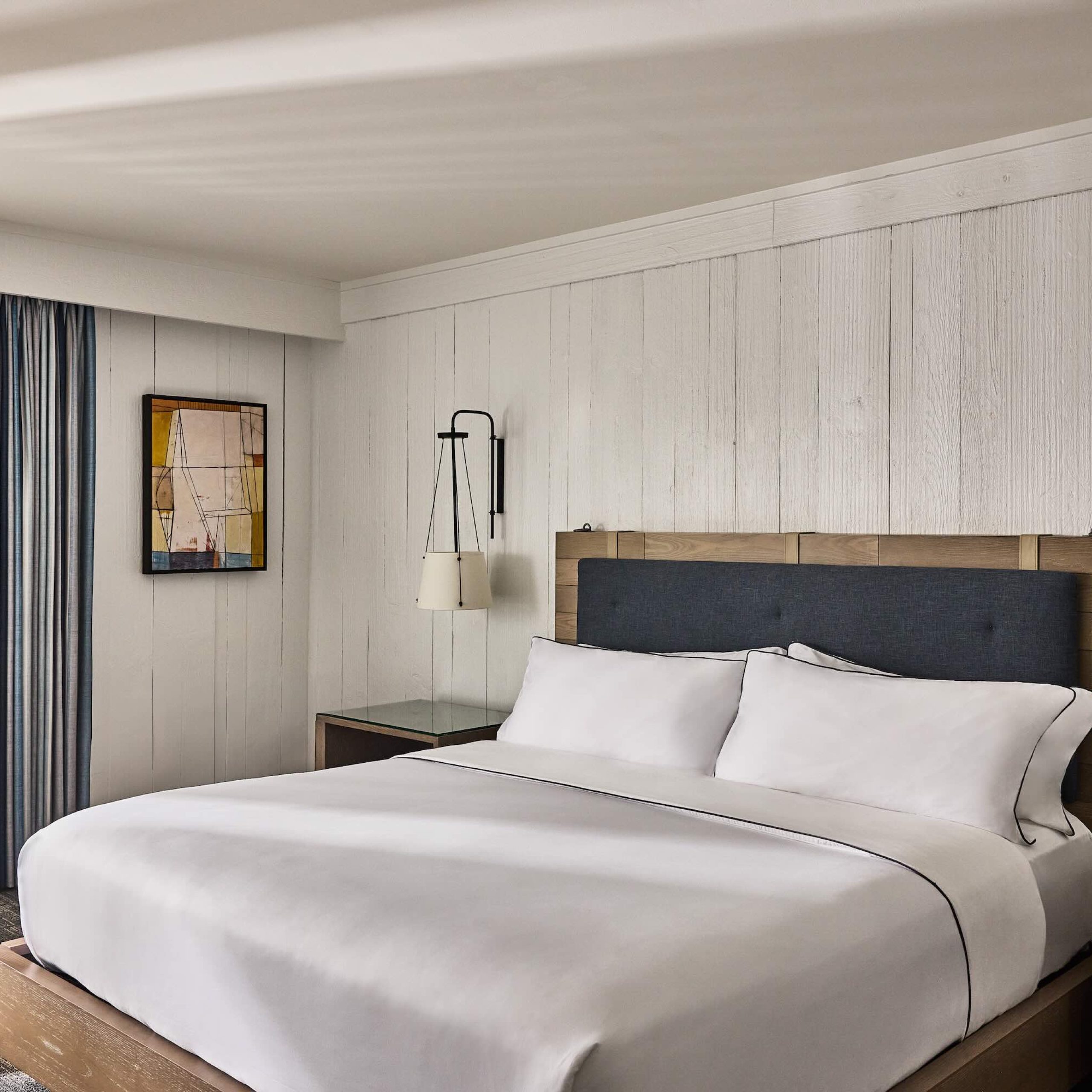
The resort’s 106 guest rooms and historic cottages have been refreshed in a manner that respects what was already there. Light-filled interiors, soft white woods, and floor-to-ceiling glass doors open onto private patios and balconies overlooking Lake Montauk, the beach, or the sweeping Great Lawn. The aesthetic is classic East Coast: unfussy, yet cozy and comfortable. Select rooms along the southeastern perimeter open directly onto a beach path. On the north side of the property, the Ziegfeld Estate — five freestanding cottages dating to 1928, listed on the National Register of Historic Places — offers the feeling of a private compound.
Throughout the corridors, curated historical photography lines the walls in black and white — evidence of the golden era when this dock was the place to see and be seen. It is, as it should be, a beautiful reminder of continuity. The more things change, the more this place insists on remaining itself.
The Architecture of a Perfect Summer Day
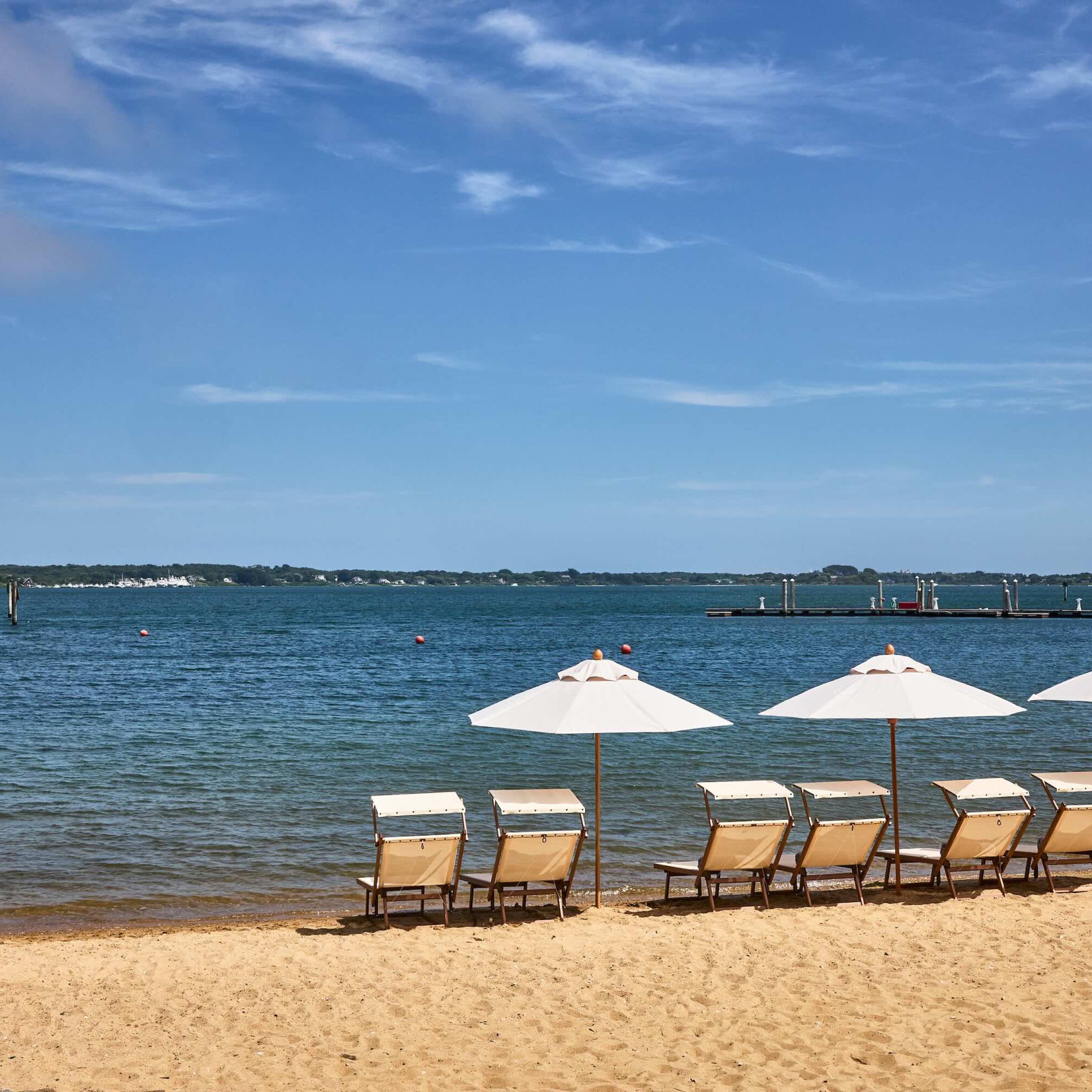
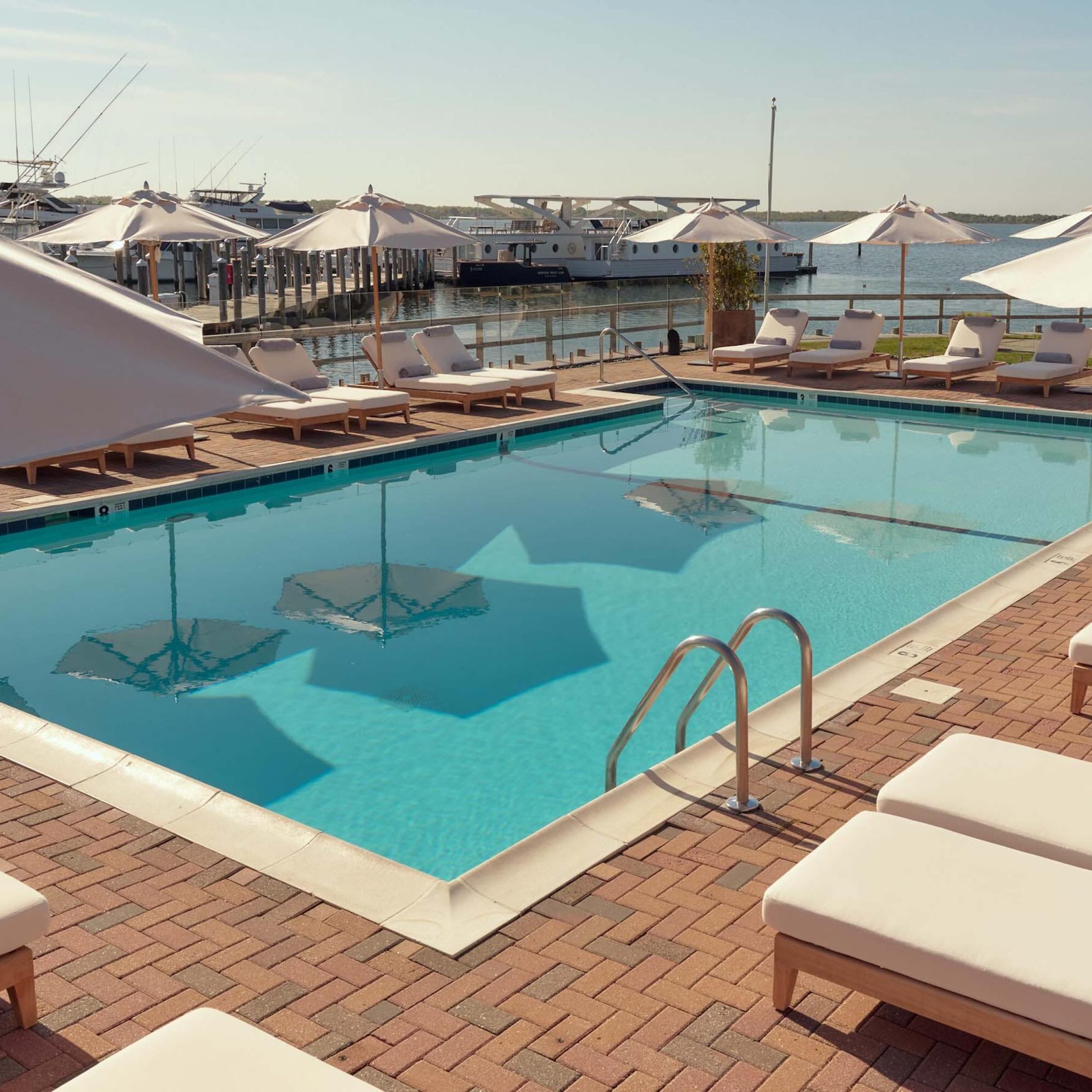
A perfect day here begins with coffee from The Market or a Nespresso setup in-room, the muffled sound of halyards against masts drifting through the balcony doors. The sprawling grounds then open up before you: children move between the Family Pool and the private beach. Paddleboards await at the waterline; pickup games spreading across the great lawn. The docks provide an education in boats and tides and the unhurried vocabulary of a working marina. A fleet of complimentary bikes invites local exploration. The Galley food truck — returning for its second season — supplies the fuel, including a destination level lobster roll.
On the Water
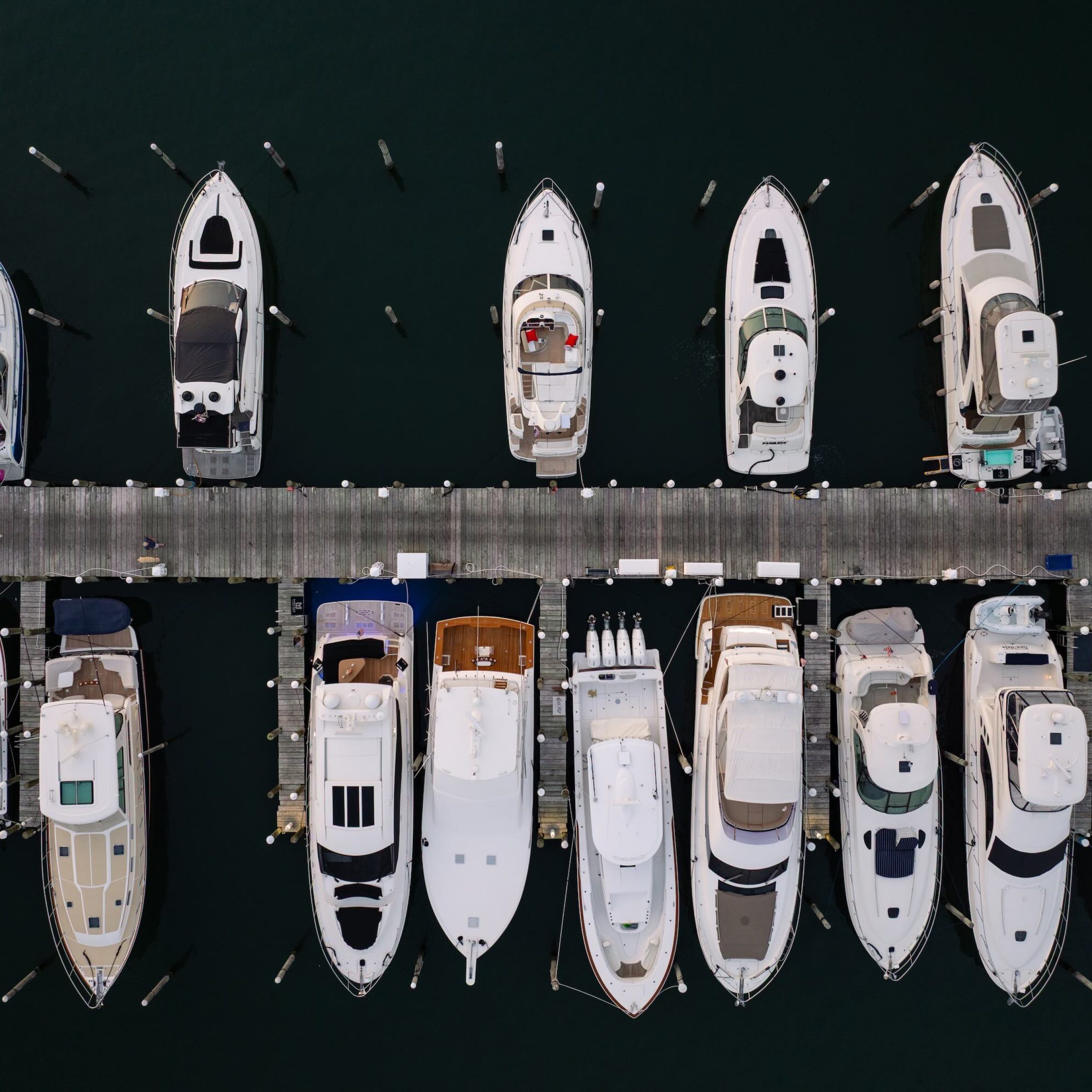
The marina is the resort’s crown jewel and one of the largest in the Hamptons, with 228 wet slips capable of welcoming vessels from modest day cruisers to 300-foot superyachts. You need not own a boat to feel the pull of it. There is something ancient and entirely satisfying about being near a working marina, watching the charter fleet head out before breakfast and return by midday, the whole seasonal rhythm of it playing out against the backdrop of a luxury property.
Alba Spiaggia: The Sea in Every Bite
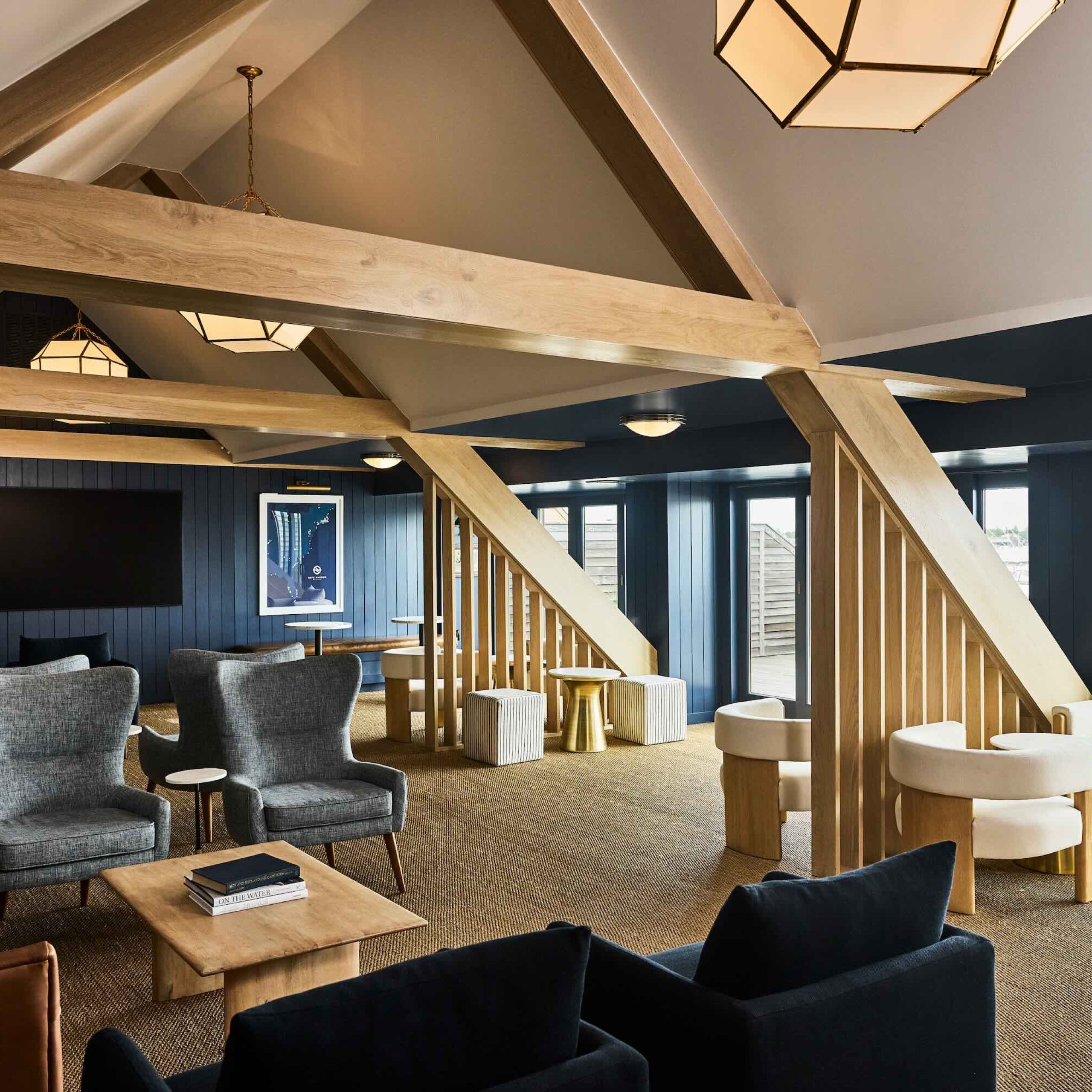
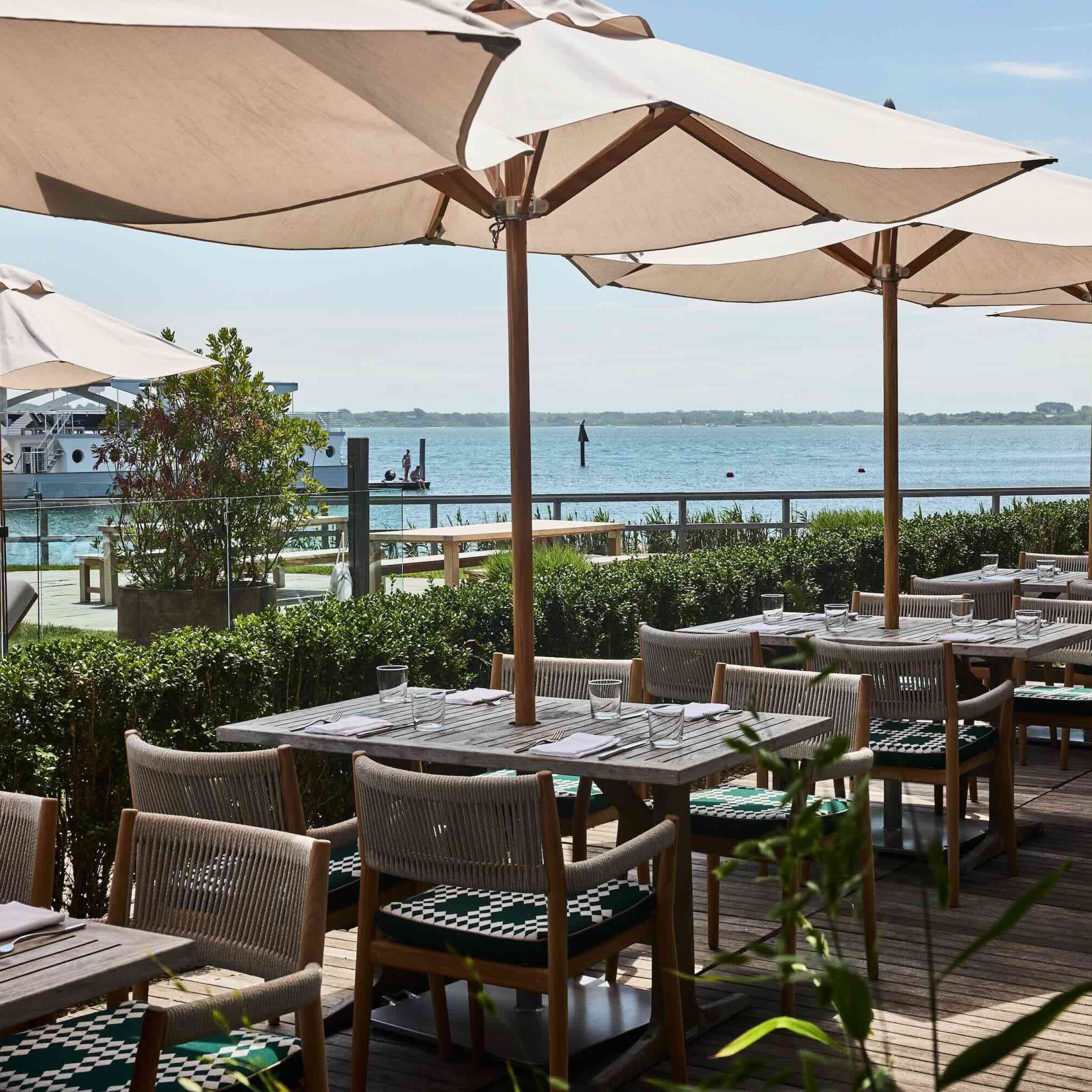
The signature restaurant, Alba Spiaggia, makes an audacious and successful argument: that the spirit of coastal Italy and the spirit of Montauk are essentially the same. Both are about the sea. Both are about eating well in beautiful light. The menu is a love letter to skilled simplicity: crudos, vibrant salads, grilled whole fish, house-made pastas, exceptional pizza. The space dissolves the line between inside and out, with an open kitchen, an expansive waterfront patio, and an upstairs lounge offering 180-degree views of the marina.
Wellness, Afloat
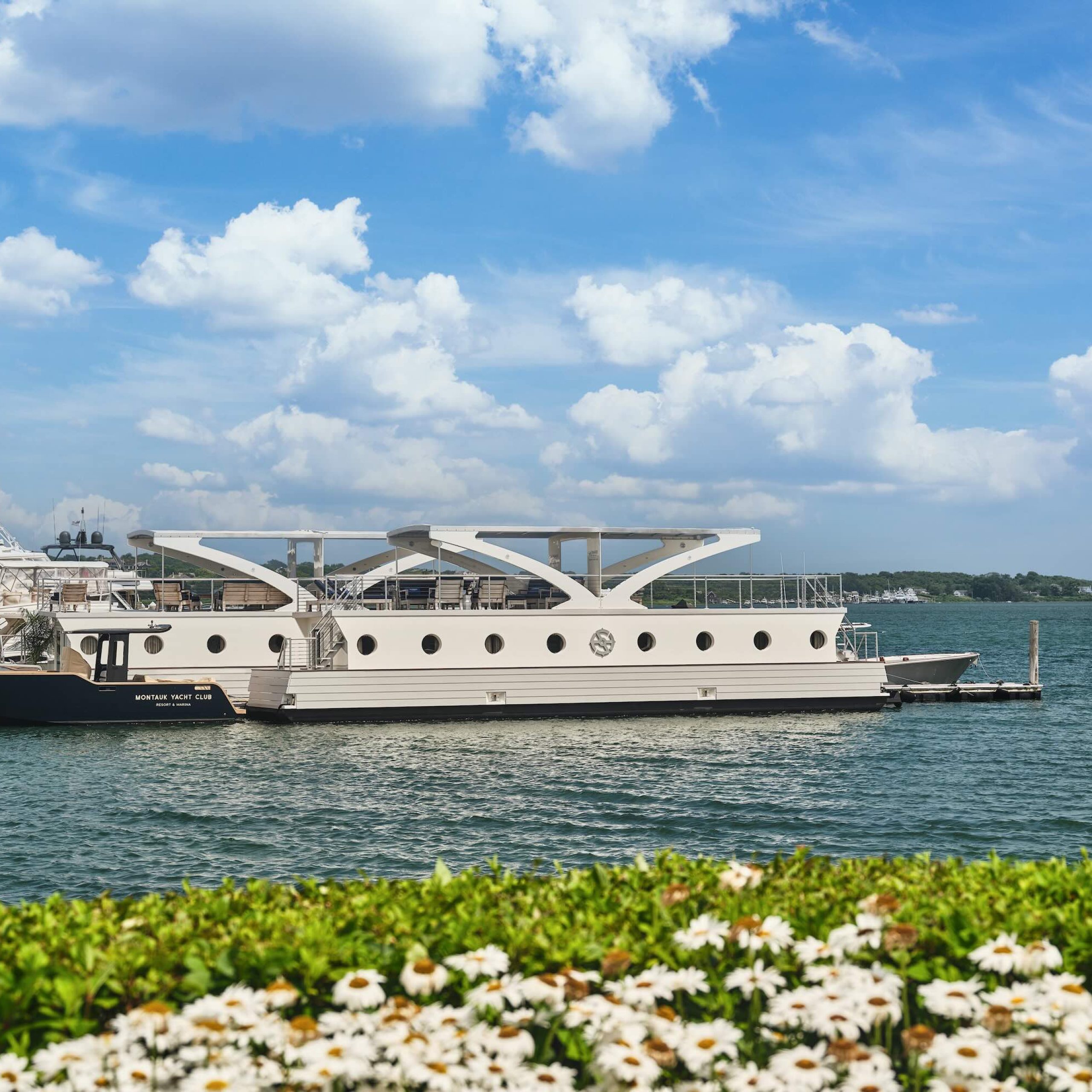
The ELEMIS Wellness Cabana may be the property’s most surprising amenity. It is a floating treatment room moored on Lake Montauk, where the gentle motion of the water is itself a form of therapy — ELEMIS science-backed formulations combined with the particular tranquility of being surrounded by water on all sides, light moving across the surface. The wellness philosophy extends across the property where also offered are a state-of-the-art fitness center, weekly yoga classes, hiking trails, and a fleet of complimentary bikes.
Beyond the Resort
Before you settle in at the resort, the town itself deserves some of your time. Anthony’s Pancake House is a local ritual. This breakfast spot that has fed generations of fishermen, families, and weekend wanderers. The Bird on the Roof is the town’s other essential, where the locals and visitors co-mingle. And then there is the Montauk Point Lighthouse — commissioned by George Washington himself — standing at the very edge of the continent, still keeping its watch after more than two centuries.
The More Things Change
There is a concept that Montauk Yacht Club embodies fully: the idea that the most sophisticated thing a luxury property can do is to become more of what it always was.
The striped bass still run in the fall. The lighthouse still keeps its watch at the edge of the continent. The same dock where one of the most famous pilots in American history once tied up his seaplane still stretches into the harbor, accommodating vessels of a different era but with the same essential human impulse: to arrive somewhere beautiful and stay awhile.
On a warm summer evening, when the sun is taking its time going down over Lake Montauk, the boats are swinging gently at their moorings, and the water catches the last of the day’s light, it becomes easy to understand why certain places resist reinvention.
Photos courtesy of Montauk Yacht Club