
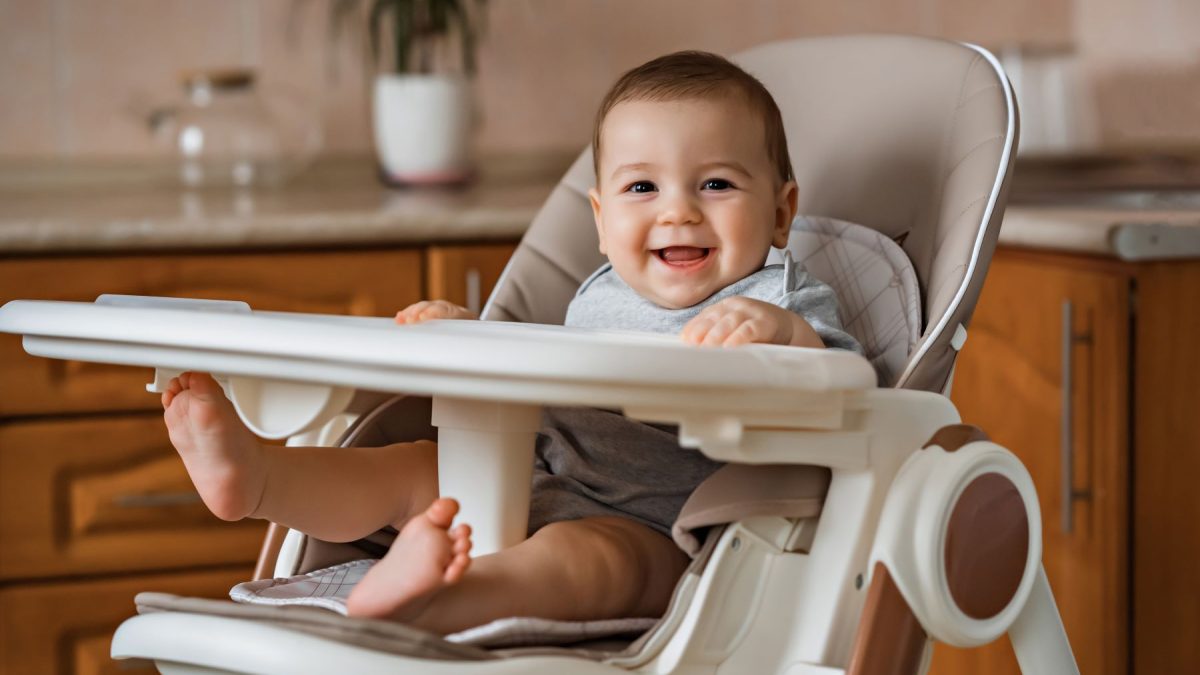
Having a newborn in your life at the moment can be emotional and exciting but there are moments when worry can creep into these wonderful moments. Another common concern is noticing your 1 day old baby not feeding just sleeping. It can feel confusing and worrying especially when you don’t have any idea for the reason why this is happening. At times when your little one may seem more interested in sleeping most of the time and not having any “appetite” of feeding, this guide may provide some helpful insights.
As first-time parents you may caught yourself watching your little one’s every breath, while they are asleep, and during those first hours at home or in the hospital, your baby is slowly adapting to a completely new environment. And this habit may never go away, just falling in love with watching them resting in your arms, feeding times, diaper changes and even in the future when they may sit on their own high chair to share meals with the family. During this stage, it’s normal to question whether a 1 day old baby not feeding just sleeping is a typical behavior or something that needs attention. But usually this is just a part of a normal transition into the outside world.
Understanding the Transition from the Womb to the Outside World
Birth is a huge transition that the baby experiences. Inside the womb they’re in a warm, quiet, and controlled environment where all their needs are automatically met. After birth, everything they know and feel changes,
- Temperature fluctuates
- Sounds become louder and unfamiliar
- Breathing happens independently
It’s because of this dramatic change that many newborns go through and adjustment stage. A 1 day old baby not feeding just sleeping happens often because they are recovering from the birth process and all the other changes that they experience. Delivery and Labor can be too extensive for a little child’s body as well. Whether it was a long labor or a quick one, your baby may need time to rest and adapt to the changes.
The Typical “Sleepy Phase” for Newborns in the First 24 Hours
It’s quite common for newborns to be especially sleepy at the first day of life outside of the womb. This “sleepy phase” can include,
- Long stretches of sleep, usually lasting for 3 – 4 hours or more
- Minimal interest in feeding
- Brief, drowsy attempts at latching
So, if you notice a 1 day old baby not feeding just sleeping as this behavior is usually considered normal within the first 24 hours. And at this phase, babies usually,
- Recovering from birth
- Conserving energy
- Gradually adjusting to feedings
But, even if you’d feel guilty waking them during this sleepy period of first few days. It’s extremely important that you encourage their feedings at regular intervals for sustenance and development.
Recognizing the Difference Between a Sleepy Baby and a Lethargic One
Sleepiness can easily be confused with lethargy; believe me many parents gets easily confused with these two. So, it’s important to really pinpoint which is which of these two. If you ever notice that there are signs of lethargy it should be given immediate medical attention. A normal sleepy newborn,
- Wakes briefly when stimulated
- Shows some feeding cues
- Has normal skin coloe
- Moves arms and legs
While a lethargic baby may be,
- Extremely difficult to wake
- Shows little to no interest in feeding
- Appears weak or just floppy
- Has pale or bluish skin
It’s important to have a conversation with your pediatrician or healthcare provider if your 1 day old baby not feeding just sleeping if ever they show signs of lethargy.
How to Wake a Sleeping Newborn for Essential Feedings
Feeding is extremely essential in the first 24 hours after birth that you should make it happen to wake them to be able to support their growing needs. Some gentle ways to wake your little one can include,
- Unwrapping swaddling blankets to expose them to cooler air
- Change their diaper before feeding
- Gently rub their back, hands, or feet
- Hold them upright and talk softly
- Use skin-to-skin contact
If your 1 day old baby not feeding just sleeping, try to wake them every 2 – 3 hours for feeding attempts as even those short feeding sessions are beneficial at this moment.
The Importance of Colostrum and Small Frequent Feedings
During the first days after birth, your body produces colostrum, which is usually referred as the “liquid gold.” Colostrum is,
- Rich in antibodies
- Highly concentrated in nutrients
- Produced in small amounts
Since a newborn’s stomach is very small, they don’t need large volumes of milk right away. This could mean that even if your 1 day old baby not feeding just sleeping, small amounts of colostrum intake in those brief feeding attempts are often enough. There are other benefits that comes from the frequent breastfeeding. It helps with,
- Stimulates the production of milk
- Supports your child’s immune system
- Prevents low blood sugar levels
Monitoring Wet and Dirty Diapers as Signs of Hydration
To know whether your little one is getting enough milk intake, keeping in track of the diapers that they produce per day is a great way and the most accurate one to start with. During the first day,
- At least 1 wet diaper
- Possibly 1 meconium stool, this is the dark and sticky stool that they let out during the first few days after birth.
If your 1 day old baby not feeding just sleeping but they’re still able to produce enough diaper output, this is a good sign that they’re getting enough nutrition to produce diapers. As the days progresses their diaper output will increase gradually as well.
When to Use Skin-to-Skin Contact to Encourage Nursing
One of the most effective ways of encouraging a sleepy newborn is through skin-to-skin contact. It also includes benefits like,
- Stimulation of feeding instincts
- Helps regulating body temperature
- Promotes bonding
- Encourages milk production
To practice skin-to-skin contact you can,
- Place your little one on your bare chest
- Cover them with a light blanket
- Allow them to nuzzle and attempt to latch naturally
If you’re dealing with a 1 day old baby not feeding just sleeping, this is one way that you can gently encourage feeding without really forcing it.
Medical Signs That Require Immediate Attention from a Pediatrician
Although sleepiness is common, certain signs shouldn’t be ignored. Immediately contact a healthcare provider if you notice these on your little one,
- Has not fed at all in 8 hours or more
- Shows no interest in feeding after repeated attempts
- Has fewer than expected wet diapers
- Appears very weak or unresponsive
- Has difficulty breathing
- Develops a fever or abnormal body temperature
So if your 1 day old baby not feeding just sleeping is accompanies by any of these symptoms, an immediate evaluation is essential.
Tips for Supporting Feeding in the First 24 Hours
Here are some practical tips that you can do to support your newborn at this stage,
- Offering the breast or bottle every 2 – 3 hours
- Watching out for their hunger cues like rooting
- Keep your little one close for easy access to feeding
- Stay patient, feeding skills can take time to develop
- Asking for help from nurses or lactation consultants
These first days is all about learning for both you and your baby, so let loose a little.
Conclusion
Seeing a 1 day old baby not feeding just sleeping can be worrying especially for new parents, but in most of these cases, it’s a normal part of your baby’s transition into the world. The first 24 hours of their time is all about adjustment, gradual learning and most importantly rest.
By means of encouraging feedings, monitoring their diaper output, and staying in tune with their cues, you can properly support their early development with confidence.
Trust your instincts, prolong your patience and don’t hesitate to seek help if something doesn’t feel right with your little one. With time, your baby will become more alert, engaged, and more eager to feed. As time progresses it marks the beginning of a healthy and thriving feeding journey you’ll share in this precious moments of your life.