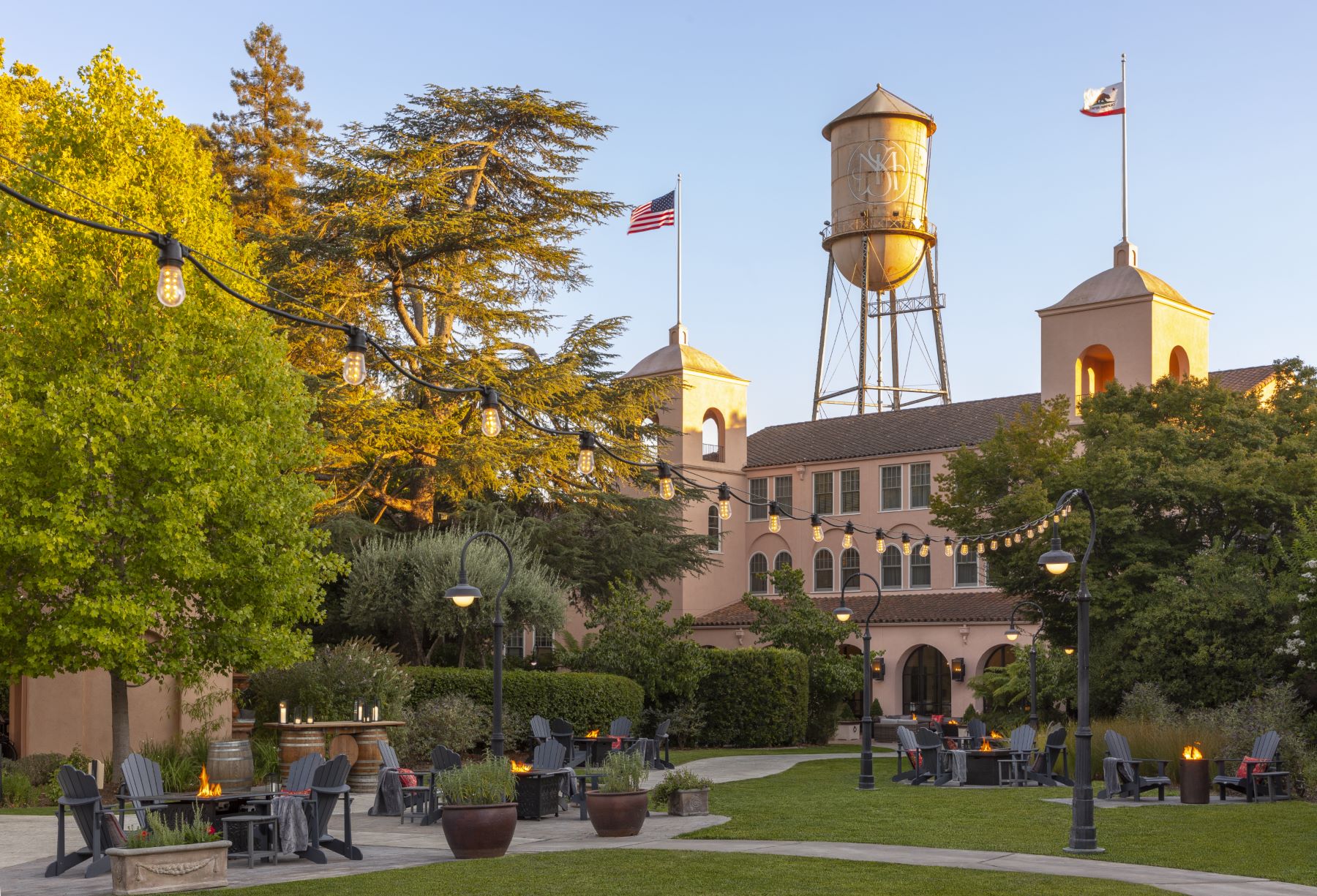
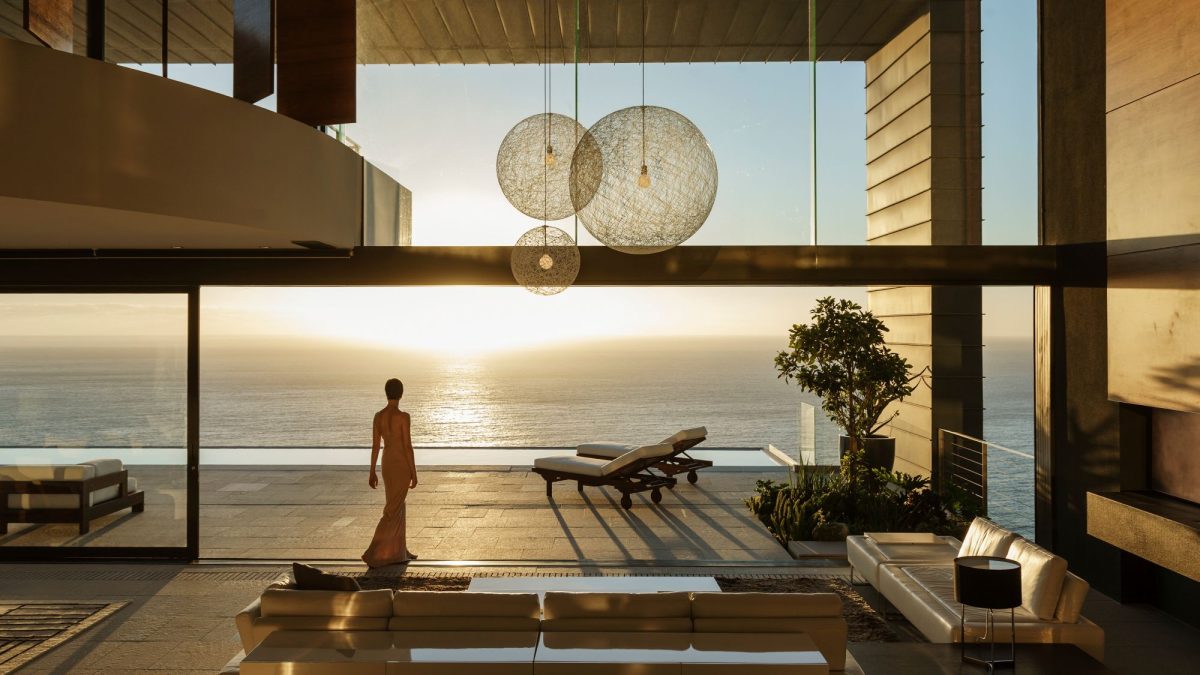
Luxury fashion is entering a new era in 2026. Minimalist “quiet luxury” aesthetics are rapidly giving way to bold displays of wealth, dramatic personal branding, and statement-driven consumption. Across fashion capitals from New York to Dubai, affluent consumers are increasingly embracing visible luxury again. Oversized jewelry, brightly colored supercars, gold-accented interiors, and logo-heavy fashion are suddenly returning to mainstream luxury culture.
The shift marks one of the largest aesthetic reversals in luxury culture since the post-recession minimalism that dominated the 2010s. Quiet luxury originally emerged as a reaction against overconsumption and social media excess. Brands such as The Row, Loro Piana, and Bottega Veneta helped define understated affluence through neutral palettes, subtle tailoring, and nearly invisible branding.
Now, the pendulum is swinging again.
Digital culture is playing a major role. Social media algorithms reward visibility, spectacle, and emotionally charged visuals. Wealth itself has increasingly become entertainment content. Billionaires, influencers, celebrities, and entrepreneurs now compete for digital attention using increasingly extravagant aesthetics.
Luxury consumers are responding accordingly.
Call it tacky. Call it trashy. Call it “boom boom,” which is how Sean Monahan — who coined “normcore” and “vibe shift” — described the aesthetic a little over a year ago. At the time, he characterized it as the fetishization of the past, the yearning for a reinstitution of boundaries between work and play, and, importantly, “supervillain vibes.” It’s the ’80s, but with the internet.
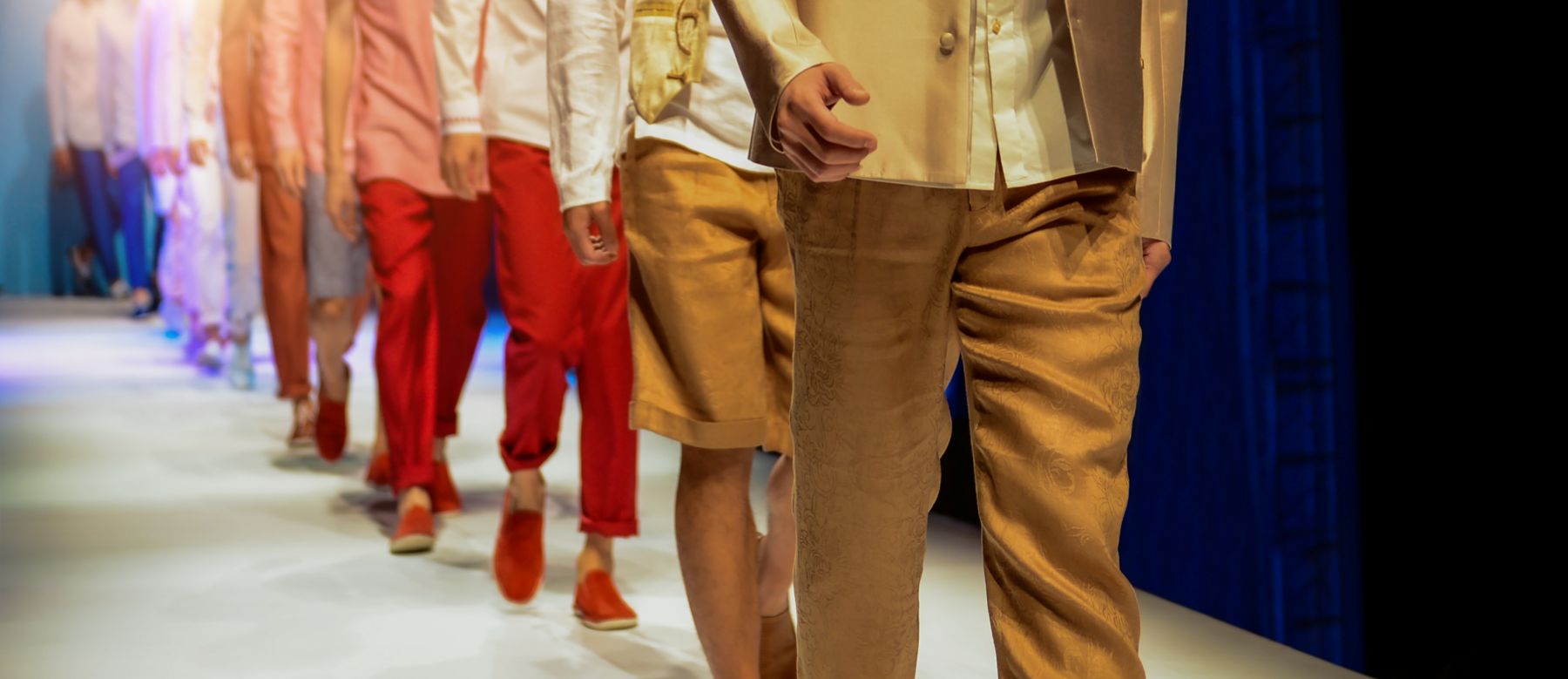
Fashion runways are already reflecting the transition. Rich jewel tones, metallic accessories, oversized watches, bold handbags, and expressive tailoring are replacing muted monochromatic wardrobes. Summer 2026 collections have leaned heavily into cobalt blue, poppy red, royal purple, and high-contrast styling.
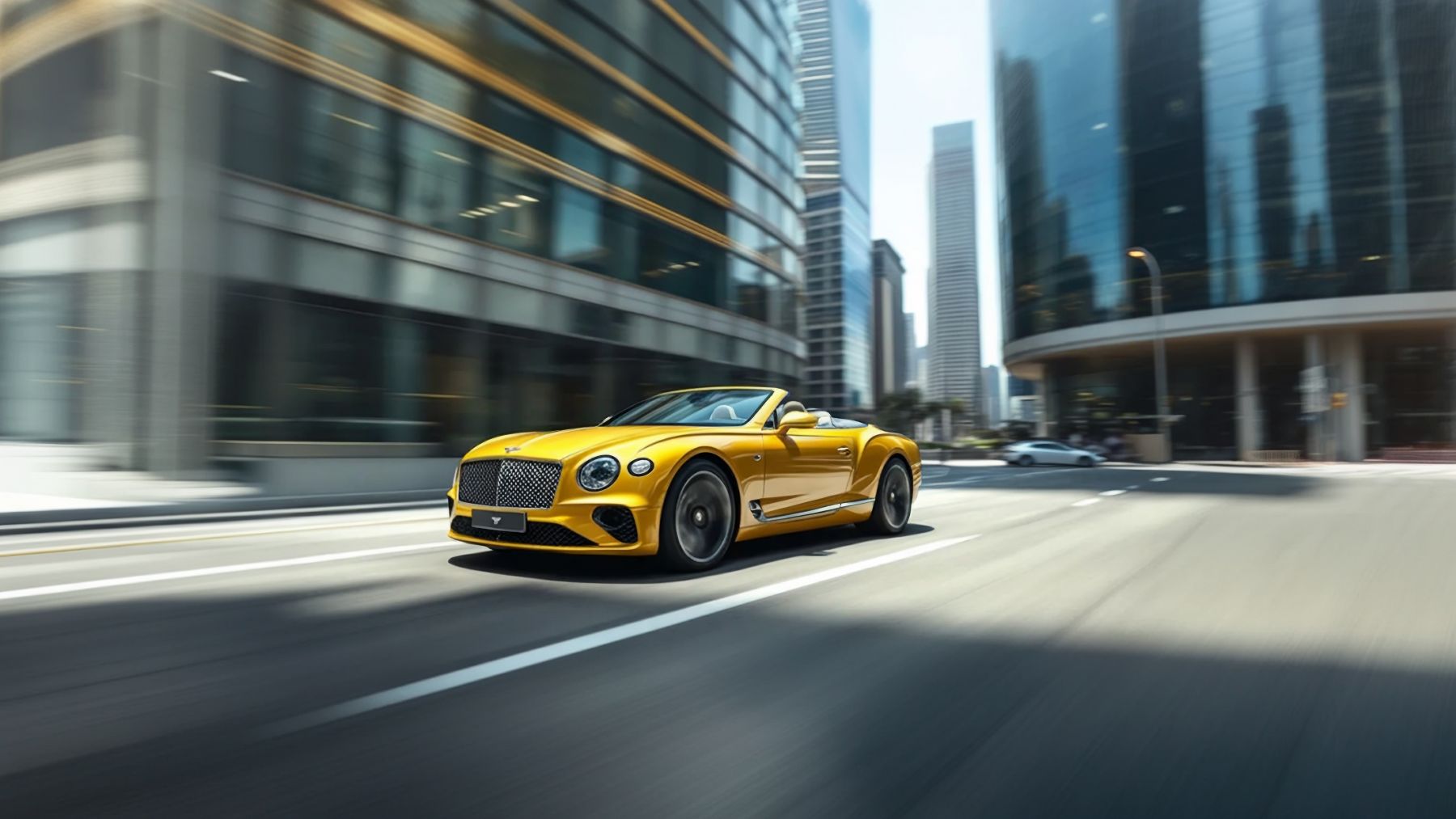
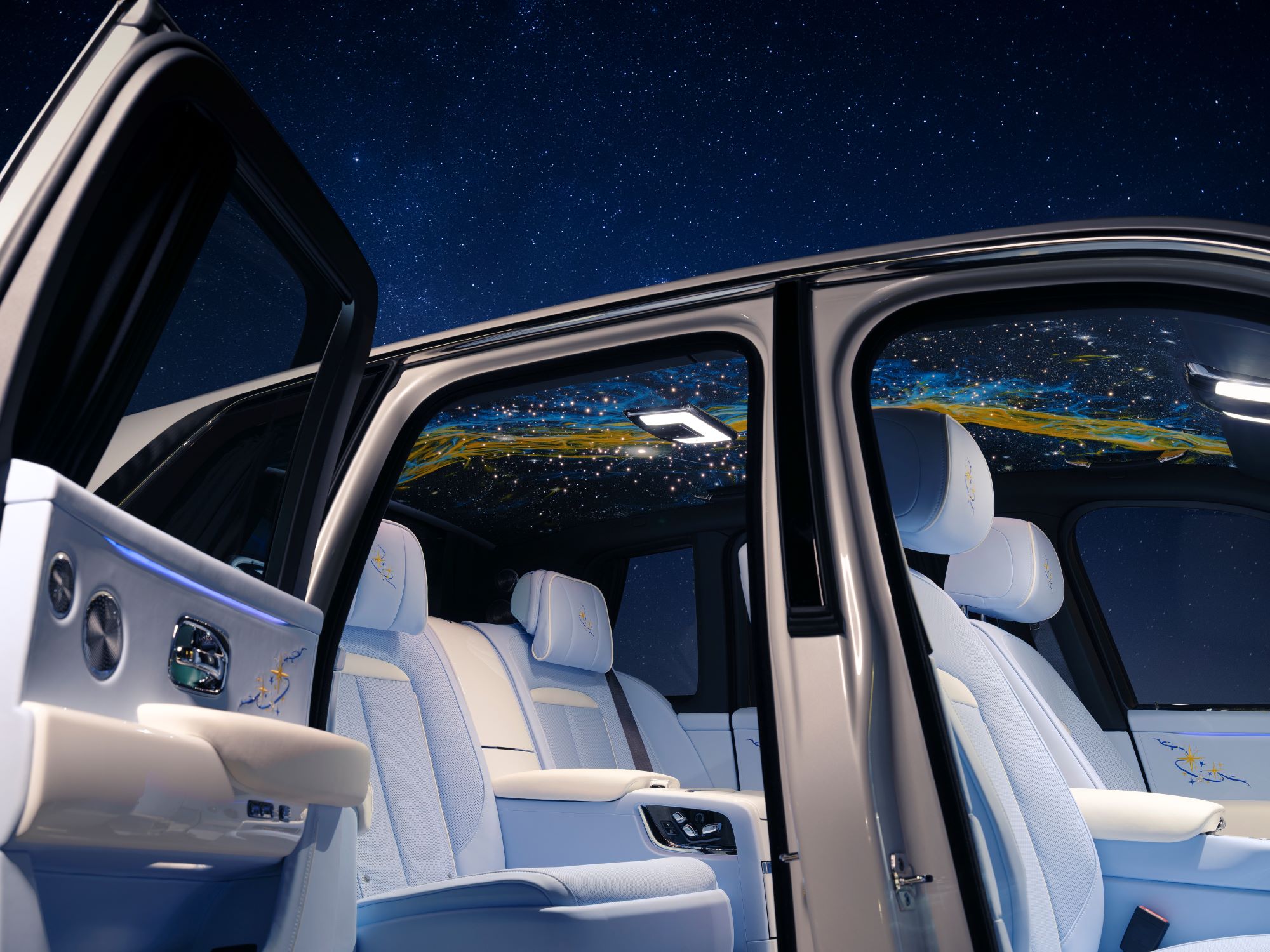
The automotive industry is experiencing a similar transformation. Bespoke luxury vehicles with highly customized interiors, unique paint finishes, and ultra-personalized detailing are becoming status symbols again. Wealthy buyers increasingly want vehicles that immediately communicate exclusivity and individuality.
Visible Exclusivity
Luxury hospitality is also evolving toward “visible exclusivity.” High-end travelers continue to prioritize privacy, but they increasingly seek immersive, highly visual experiences that combine social prestige with emotional storytelling. Private beach clubs, luxury yacht charters, rooftop destinations, and invitation-only events are outperforming traditional understated luxury offerings.
This transition does not necessarily mean quiet luxury disappears entirely. Instead, luxury consumers are diversifying how they express status. For some affluent buyers, subtle refinement remains aspirational. For others, bold expression has become the new marker of confidence.
The luxury watch market illustrates this divide clearly. Minimalist investment pieces continue to perform well, while brightly colored dials, gem-set bezels, and oversized designs are seeing renewed momentum among younger affluent buyers.
Gen Z Luxury
Gen Z luxury consumers appear less interested in hiding wealth signals. Younger high-net-worth buyers grew up inside creator culture, where visibility often drives social influence and commercial success. They are more comfortable mixing luxury with hype culture, vintage streetwear, and statement-driven fashion.
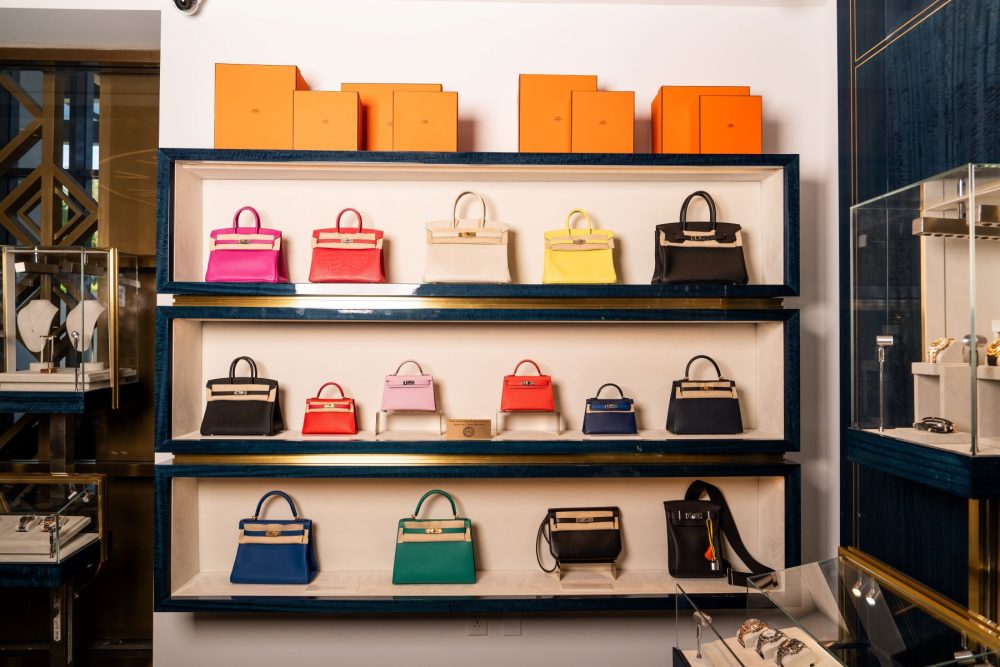
Luxury retail environments are adapting quickly. Experiential launches, exclusive drops, private events, and highly visual store activations are now essential traffic drivers. Many luxury brands increasingly design campaigns specifically for short-form video platforms rather than traditional print advertising.
The return of loud wealth also reflects broader economic psychology. During periods of uncertainty, affluent consumers often oscillate between restraint and visibility. Current market volatility, political polarization, and rapid technological change have created an environment where conspicuous consumption once again feels culturally relevant.
At the same time, affluent consumers increasingly seek emotional purchases rather than purely functional luxury. Luxury spending now centers around storytelling, exclusivity, identity, and digital shareability.
. . . . .
As a trusted voice covering the best of luxury, JustLuxe delivers curated insights on premium products and designer trends. With expert-driven content and a global audience, it remains an authority on everything luxury. JustLuxe editors may occasionally use AI tools to verify facts and assist with content choices.