
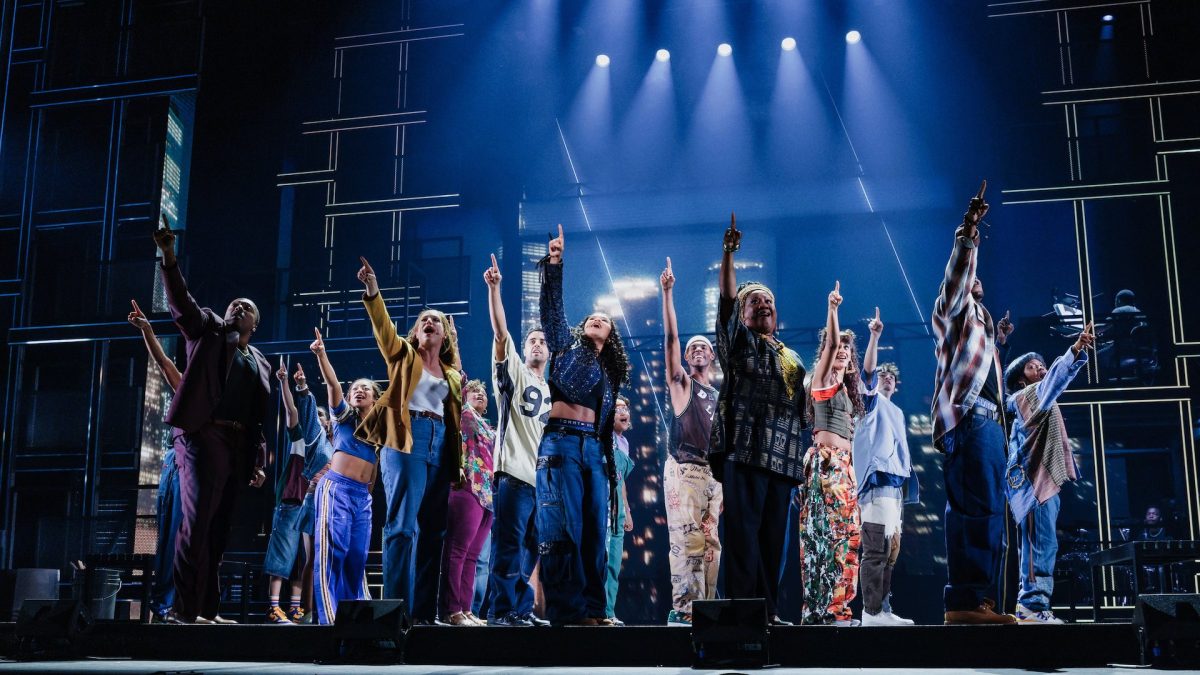
Walking into the Hollywood Pantages for Hell’s Kitchen, I expected a Broadway jukebox musical built around Alicia Keys songs. What I didn’t expect was how emotional and surprisingly intimate the show would feel. Inspired by the life and music of Alicia Keys, the production, now playing through June 21, pulls audiences straight into 1990s Manhattan and a noisy, crowded, complicated New York.
At the center of the story is Ali, (Maya Drake) a sharp, restless teenager growing up under the watchful eye of her protective mother, Jersey (Kennedy Caughell). Ali wants freedom. Jersey wants safety. Hell’s Kitchen delivers an emotional coming-of-age story about identity, motherhood, ambition and discovering your own voice.
The stage is a gritty yet vibrant version of Manhattan’s Hell’s Kitchen neighborhood, where towering apartment buildings, subway platforms, basketball courts, and neon city lights become part of the storytelling.
The story follows Ali as she falls in love, rebels, discovers music as an emotional outlet, and slowly begins to understand herself and the complicated adults around her.
The touring cast delivers powerhouse performances throughout the production. Drake, commands the stage with confidence and vocal control, balancing vulnerability and teenage defiance.
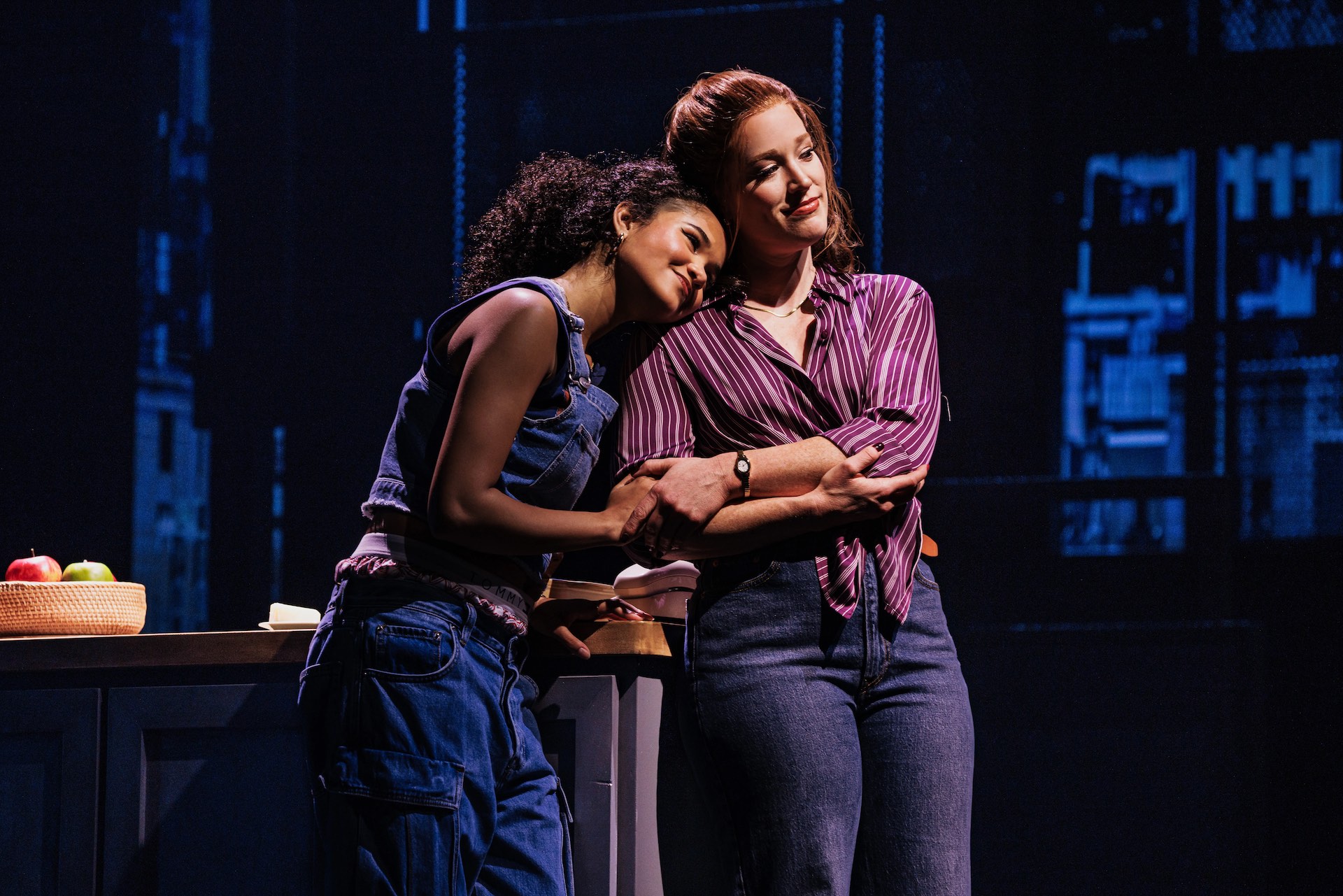
Equally compelling is the Caughell’s performance as Jersey, whose complicated relationship with her daughter forms the emotional backbone of the show. Their clashes over independence, love, and fear create some of the musical’s strongest scenes, particularly during emotionally charged performances of songs pulled from Alicia Keys’ catalog.
While the show includes familiar hits like “Fallin’,” “No One,” “Girl on Fire,” and “Empire State of Mind,” the songs do not feel inserted simply for recognition. Many are reimagined to fit the story emotionally, often slowing down or shifting tone in ways that give the lyrics entirely new meaning.
One of the production’s standout moments is the rendition of “Fallin’,” staged as an emotional and intimate scene layered with longing and tension between Jersey and Davis, Ali’s father, excellently played by Desmond Sean Ellington. “Empire State of Mind” becomes a celebration of New York grit and possibility, while “Girl on Fire” lands as a declaration of self-worth and independence that brings the audience to its feet.
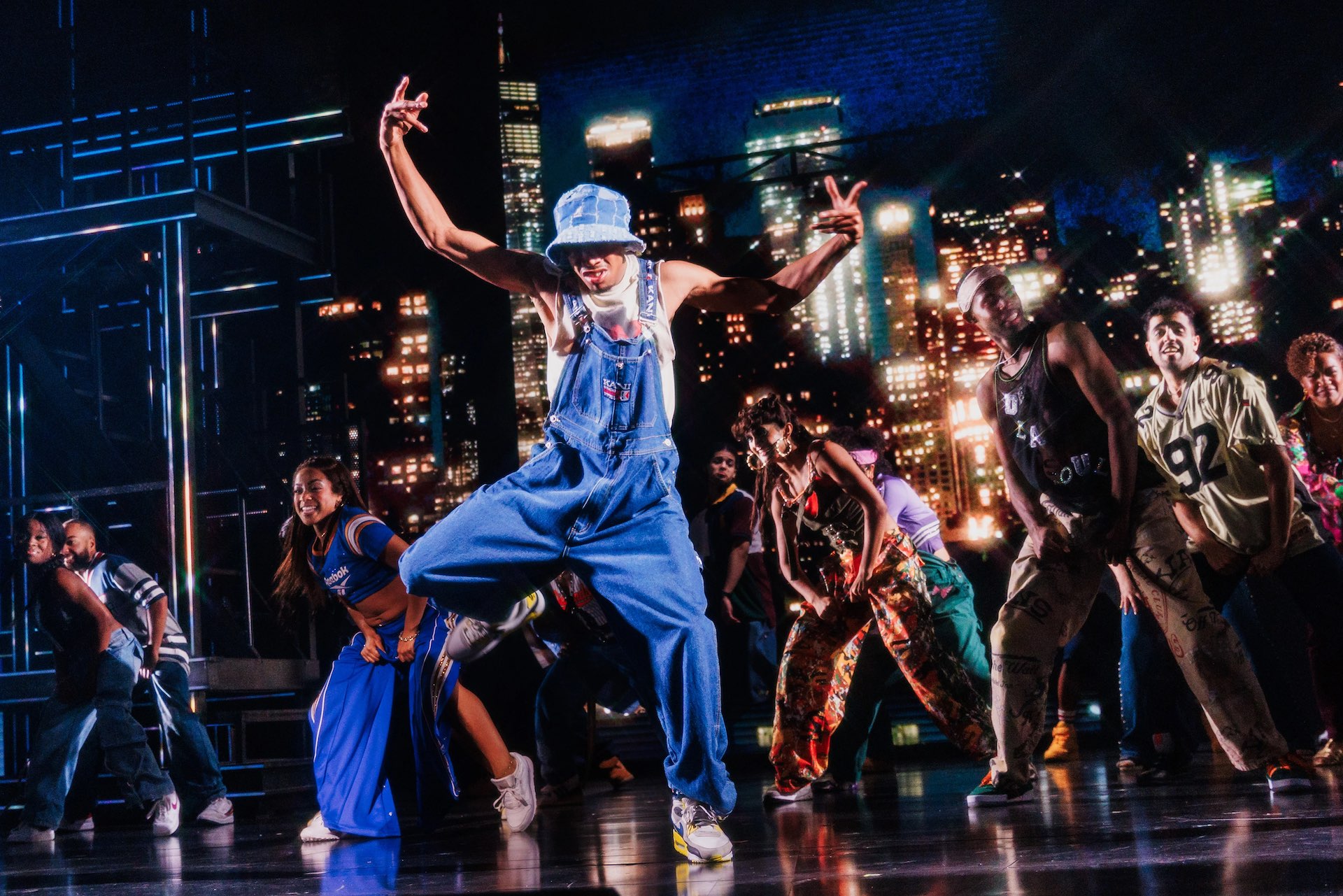
The choreography by Camille A. Brown feels alive with the rhythm of New York streets, blending hip-hop, jazz, and contemporary dance into scenes that constantly feel in motion.
Visually, the production captures the texture of the city with fire escapes, apartment windows, and glowing streetlights, creating an urban atmosphere that feels immersive.
What ultimately makes Hell’s Kitchen work so well is that beneath the spectacle, it remains grounded in relationships, specifically the bond between mothers and daughters, mentors and students, and young people trying to define themselves before the world defines them first.
By the final curtain, Hell’s Kitchen feels less like a concert built around hit songs and more like a love letter to music, resilience, community, and ambition.
Audiences leave the theater humming Alicia Keys songs, but also thinking about the relationships, the struggles, and the feeling of being young and desperate to build a life bigger than the one you started with.
Hell’s Kitchen plays at the Pantages through June 21, tickets at https://www.broadwayinhollywood.com/. The national tour runs through August 15, 2027, dates and tickets at https://hellskitchen.com/tour/.