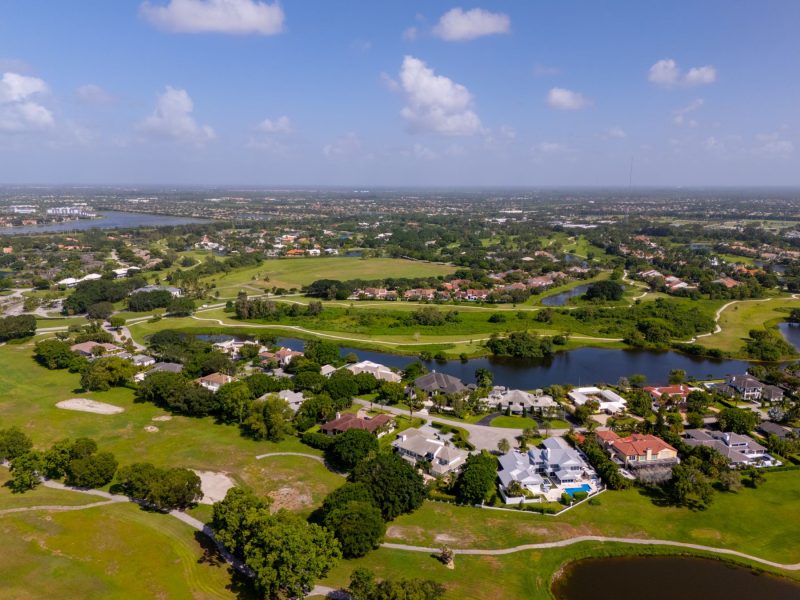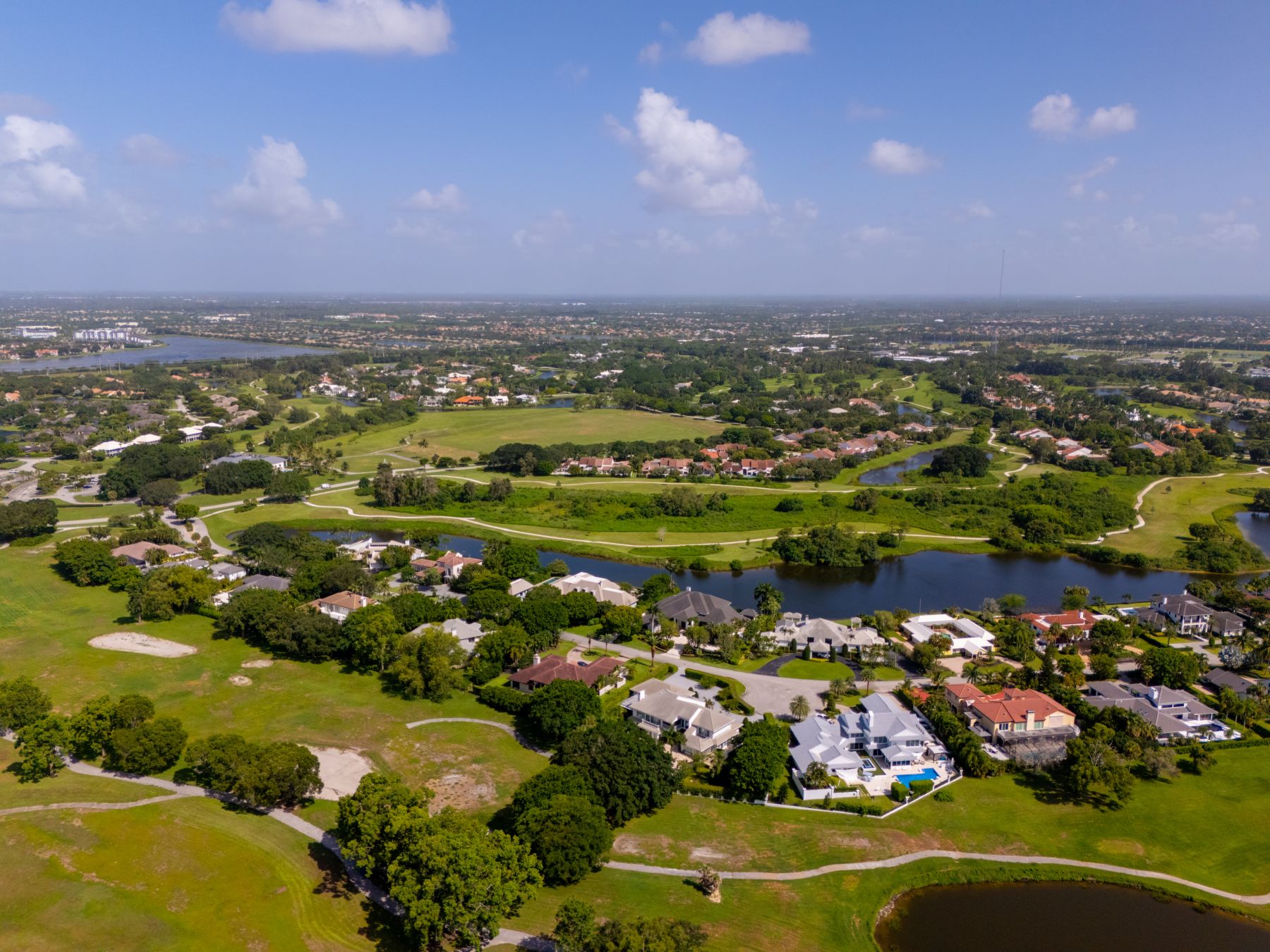
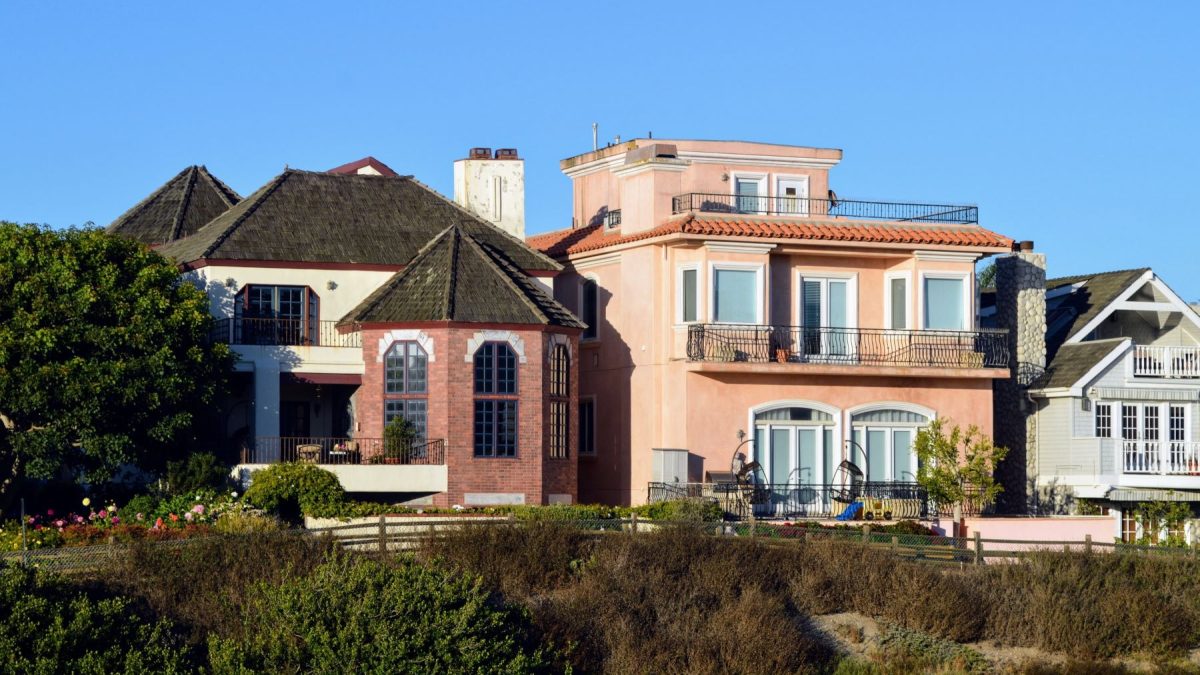
The line between checking into a five-star boutique hotel and your own household has completely dissolved. According to the latest luxury real estate data, high-end homeowners are spending more on primary residence renovations than on secondary vacation properties. With the right investment and vision, you can have everything your heart desires at right at home
If you look at high-end properties in places like Paros or Riviera Nayarit, they are built entirely around a specific brand of quiet. For a long time, the standard approach to travel was to treat this design style as a temporary luxury. It was something to experience for a couple of weeks before returning to a completely different aesthetic at home.
Now, people are rewriting the rules. Instead of traveling to find that headspace, they are building it right into their own walls. With summer here, the luxury design world is totally obsessed with making primary homes feel like permanent vacation spots.
Removing Boundaries
To do this right, you have to get rid of the barriers. Heavy back doors are a mistake. Instead, designers are using giant glass panels that slide completely out of sight into hidden wall pockets. Open them up, and your kitchen, living room, and patio instantly become one massive open-air pavilion. The breeze cuts straight through the house, turning the entire main floor into a shaded breezeway.
With a layout this open, traditional indoor materials like dark hardwoods and highly polished marble rarely work. They hold heat, look heavy, and create a harsh reflection under direct sunlight. Designers are switching to tactile materials that handle high traffic and stay cool. Unhoned travertine works well underfoot because it resists peak afternoon temperatures. Bleached oak keeps the flooring looking light, while chalky Roman plaster on the walls softens the intense midday glare rather than bouncing it back into the room.
Casual Dining
This seamless architectural flow naturally dictates how people utilize the space. Summer hosting at this level has migrated away from stiff indoor dinner parties with rigid seating arrangements. The modern preference leans heavily toward long, unstructured afternoons where gatherings stretch effortlessly past sunset without anyone feeling the need to shift to a new room.
For that kind of hosting, your indoor spaces need to feel like an extension of the view. When bridging the high-traffic zone between an open-concept kitchen and the glass wall leading out to the deck, homeowners are designing dining spaces that mimic the airy, upscale feel of a boutique hotel’s indoor restaurant. You want a massive custom table paired with high-end, exceptionally comfortable dining chairs that feature sophisticated lines and top-tier craftsmanship. Because if a chair forces a guest to stand up and stretch after forty-five minutes, it disrupts the entire flow of the afternoon.
Designing the Twilight Transition
The final trick is the lighting. Turn off the overhead lights. Resorts never use them. Instead, rely on low alabaster wall lights and large woven floor lanterns that throw soft shadows across the deck. Hide small spotlights in the planters of potted olive trees. It keeps the space looking warm long after dark.
It is a deliberate way to slow down. By choosing natural textures, open layouts, and great furniture, you get the exact spirit of summer travel without dealing with the airport.