
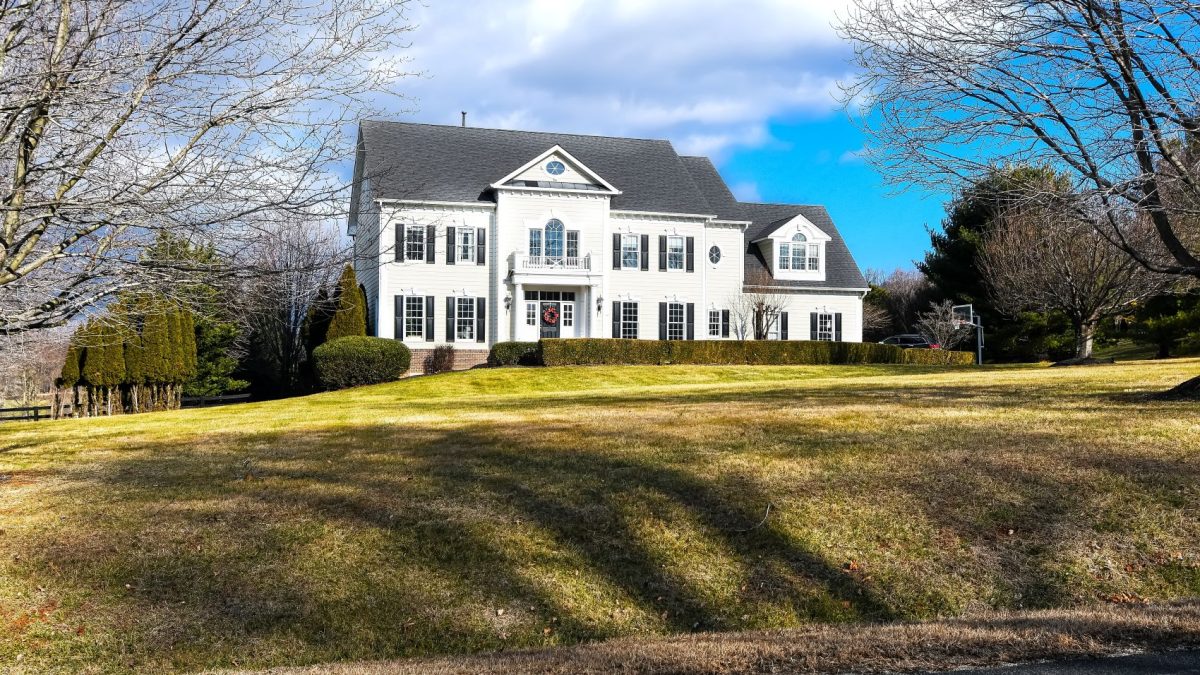
Modern builds rarely win against period properties in wealthy neighborhoods, not on price anyway. Original moldings. Old hardwood. Hand crafted joinery that photographs worse than a glossy new build yet often sells for more. Why? Because craftsmanship at this level is not easily replicated at scale.
Location alone does not explain the premium. Part of it comes down to scarcity. The rest comes down to cultural cachet, plain and simple. A Victorian staircase or a Georgian facade carries a kind of status that square footage alone has never managed to buy.
Architectural Integrity and Original Craftsmanship
This kind of hand crafted detail does not fit neatly into modern building economics. Weeks, months, sometimes longer just to source and shape the materials behind a single cornice or staircase, that’s what tradespeople once invested. Plaster moldings, solid hardwood and wide plank oak belong to a wider logic of traditional building construction, where materials behave differently from modern assemblies and need repair work that respects the original fabric.
Restoring period materials properly gets expensive fast in prime heritage markets, and experienced buyers tend to factor that cost into the valuation from the start rather than treating it as a surprise. Documented provenance changes the conversation. An original feature with a verified past reads as more desirable than any reproduction, especially when the house sits in a protected street or a conservation area where character still matters.
Material Quality and Longevity
On its own terms, that is how old growth timber ages. So does solid plaster. So does hand forged metalwork, all of it behaving differently than anything manufactured today. Properly maintained, homes built before the 1940s are often treated by restorers as proof that older materials can last when they are repaired properly. The evidence is often sitting in the house itself. Structural soundness is not automatic. Still, older materials often earn respect because they have already survived damp winters, heat, repairs, owners, fashion and time.
That same instinct, choosing what lasts over what’s merely convenient, extends past the walls and the joinery. Owners restoring original hardwood tend to apply the same standard to whatever sits on top of it. Lime plaster gets repaired with care. So does a wool loop carpet. In rooms where texture, wool construction and long wearing materials matter, an approved Brockway Carpets supplier fits the same restoration logic rather than treating flooring as a last minute finish.
Buyers in these neighborhoods are rarely chasing a quick flip anyway. Long investment horizons suit a house built to be lived in for a century, not five years.
Scarcity and Location Convergence
Wealthy neighborhoods only have so many period properties to begin with, and that number rarely grows. Planning restrictions, listed status and conservation protections limit what owners and developers are allowed to alter. Supply stays tight. More buyers keep chasing heritage real estate in established areas, while the best addresses rarely open up for long. That imbalance can push prices upward over time.
Kensington terraces. Bath townhouses. Hampstead villas. Edinburgh New Town, too. Properties in neighborhoods this established can command stronger buyer interest than nearby new builds, largely because fixed heritage supply runs up against rising competition for addresses with proven history. New developments nearby do not always soften that demand. Sometimes they sharpen it, because they remind buyers what cannot be made again.
Conservation area protections add another layer of control. Demolition is restricted. Alterations often require approval. Street character gets protected more formally, which can help preserve the kind of setting buyers came for in the first place.
Neighborhood Maturity and Infrastructure
Well established areas offer more than old buildings, that’s easy to forget. Mature tree canopies, strong school catchments, cultural institutions and neighbourhood quality all accumulate slowly across decades of community investment nobody can fast track. None of it installs with a new development, no matter the budget. Real weight sits in tree lined streets and mature landscaping when it comes to residential desirability.
Where established greenery defines a neighborhood’s character, that weight shows up in the price tag. Morning light on old boards does something a new development simply cannot fake yet. A sapling planted today simply is not the same asset as an oak that has stood there for a hundred years, shading the same pavement, dropping leaves into the same front garden every autumn.
Cultural Capital and Social Signaling
Something specific gets communicated the moment someone owns a period property in a prestigious area, intentional or not. Taste, financial stability, a genuine appreciation for history, all communicated at once. Architectural pedigree works as social currency among affluent buyers because heritage value carries meaning beyond square footage and modern finishes.
Documented history can support stronger value arguments. A notable former resident, a verified past, a story buyers can actually repeat at dinner, all of it carries appeal a new build cannot manufacture regardless of specification. Buyers often treat that narrative as part of the value, not just a nice extra.
Investment Performance and Market Resilience
Period properties in wealthy neighborhoods are often treated as safer long term holds than comparable modern builds. Not always. Condition matters, location matters, and a neglected old house can drain money faster than an owner expects. Well kept heritage homes in prime districts still tend to attract buyers who think in decades rather than seasons.
Rental demand can stay resilient in some prime districts too. The tenant pool is not always broad, but it is often specific: people who want character, location, privacy and a house that feels settled rather than staged. That matters. A well restored period property with updated heating, discreet lighting and good insulation does not feel museum stiff. It feels ready.
Tax treatment can also shape the economics of ownership, although the rules vary by country and asset type. In the UK, certain nationally important buildings, land and objects may qualify for tax relief for national heritage assets when owners meet strict conditions around preservation, public access and long term care. Different system. Same principle. Historic property carries financial responsibilities that go beyond a normal renovation budget.
Thoughtful renovation matters in prime locations specifically. Buyers often pay more for updated systems that still preserve original character. Quietly done wiring. Heating that works. Windows repaired instead of ripped out. Energy efficiency upgrades matter too, especially when they improve comfort without flattening the architectural integrity that brought buyers to the property in the first place.
What Ultimately Drives the Premium
Architectural integrity and location scarcity carry the most weight when buyers explain why they paid more. Cultural capital, the history, the identity, the story a house can tell, adds a layer that is harder to quantify but just as real. The money side matters too, because period homes in these neighbourhoods often behave as assets nearly as much as residences.
None of it is really about nostalgia. It is about owning something that genuinely cannot be built again.