
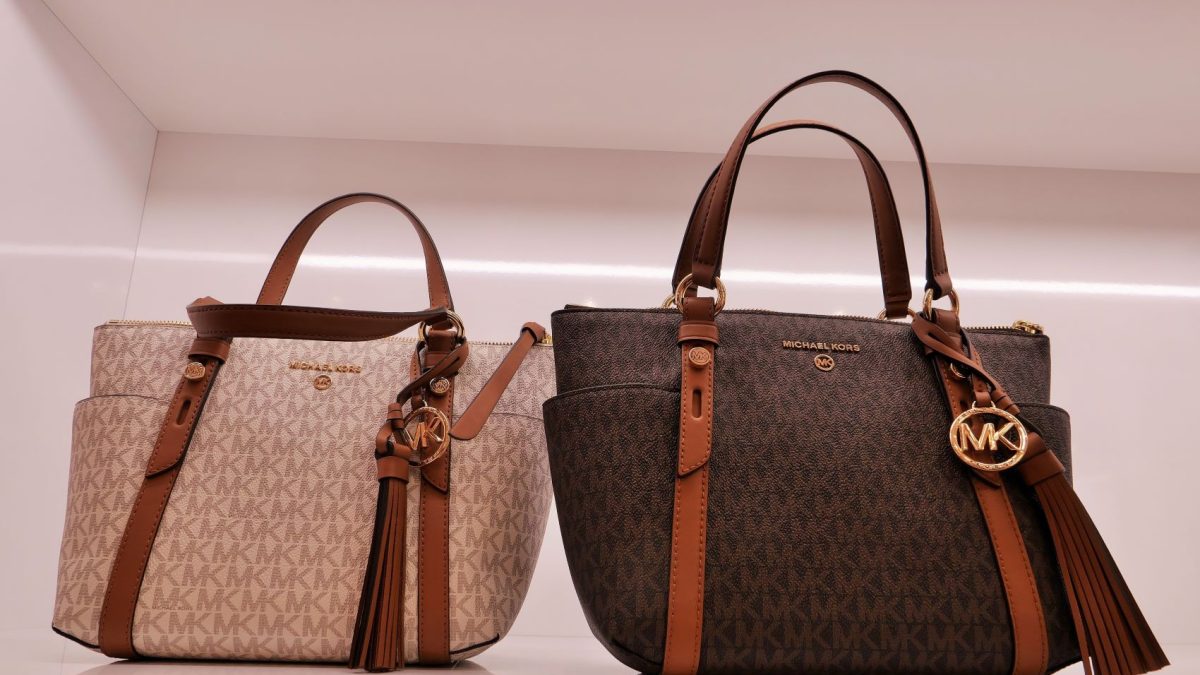
A second-hand designer bag carries its history in the grain. Its fibres have shed some of their original oils, the corners have flexed at their weakest points, and older builds sometimes lean on natural stitching or organic glues that grow brittle with age. Learning how to care for luxury bags that have already lived one life means meeting the leather where it stands today. Preservation beats reinvention.
Why Pre-Loved Leather Behaves Differently
Leather begins declining the moment it leaves the tannery. Fats pressed into the hide during fatliquoring slowly oxidize and evaporate, loosening the collagen network and leaving the surface prone to cracking. Vegetable-tanned pieces can develop red rot, a powdery decay that a flood of modern conditioner only accelerates. Earlier owners add their own signature of wear, concentrating stress at handle mounts and base seams. The Smithsonian Libraries describe leather as an organic material in continuous chemical decline from the day it is manufactured. Sound pre-loved designer bag care rests on restraint rather than rescue. Most coveted luxury leather bags travel the same road, so the sensible aim is to stabilize what remains and shield it from its surroundings.
Cleaning Without Causing Harm
Dust causes more trouble than it appears to. It carries sharp silica that grinds into the finish the instant a damp cloth drags across it, so dry removal always comes first. A long-fibre microfibre cloth or a soft horsehair brush lifts grit without scratching the surface. When the question turns to how to clean a designer handbag, distilled water beats tap water, whose dissolved minerals dry into pale, chalky rings. Blot a mark gently; scrubbing spreads the stain and wears down the pigment beneath.
Liquid water itself poses a real threat, leaching out the tannins and salts that keep the fibres supple, and it can rust internal iron fittings into dark, permanent marks. Alcohol wipes and household soaps strip topcoats and dissolve dyes, so they stay far from fine leather. Deep oily stains, peeling edge paint, or a loose seam belong with a specialist offering professional leather alterations, since a rushed home fix quietly erases resale value.
Match the Material to the Method
Every hide guards its own weakness. Smooth calfskin marks quickly and drinks water. Grained leathers such as Saffiano or Togo brush off light scratches, though grit settles into their pebbling and slowly abrades the finish. Suede and nubuck soak up nearly everything they meet. Patent finishes resist water yet pull dye from dark denim or newsprint, and exotic skins loosen at the scales when humidity climbs.
| Material | Routine Care | Main Risk |
| Smooth Leather | Dry microfibre dusting, blot spills fast | Scratches and water rings |
| Grained Leather | Soft horsehair brush through the grain | Corner scuffs, trapped grit |
| Suede and Nubuck | Dry brushing along the nap | Matting and water spotting |
| Patent (Vernis) | Wipe with a distilled-water cloth | Dye transfer, yellowing |
| Exotic Skins | Wipe along the scales, dry cloth | Scale lifting in humidity |
A few designer handbag maintenance tips hold true across all of them: keep bags upright, out of sealed plastic, and padded enough to hold their form.
Storage That Holds Its Shape
Where a bag rests between outings shapes how gracefully it ages. Leather is hygroscopic, reacting to every swing in the surrounding air. The Canadian Conservation Institute cautions that humidity above 65% invites mould that feeds on the hide’s oils, while air below 40% dries the fibres until they shrink and crack. Steady conditions carry the day:
- Hold relative humidity between 45% and 55%, with temperature near 15°C to 22°C.
- Pad the interior with acid-free tissue or a cotton pillow, stopping short of overstuffing.
- Avoid basements and attics, where damp and pests take hold.
- Choose a breathable cotton or Tyvek dust bag over any sealed box.
- Slip acid-free paper between metal hardware and leather to block tarnish stains.
Everyday Habits Worth Keeping
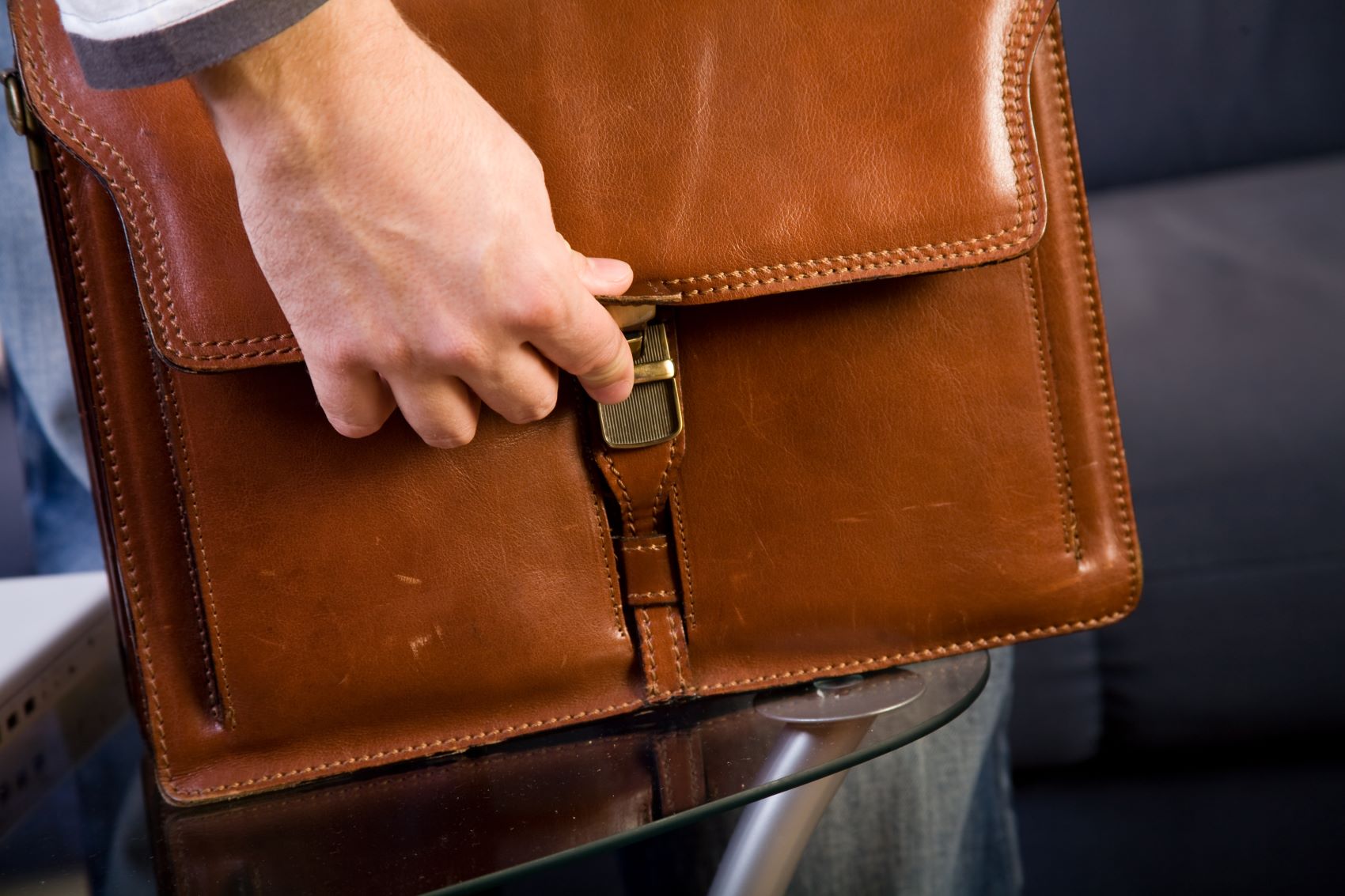
Small routines compound across years of wear, and most take seconds. A handful worth folding into your week:
- Empty the bag after each outing to prevent stretching and interior stains.
- Wipe the handles with a dry cloth before hand oils settle in and darken the leather.
- Rotate several bags so the fibres recover and any trapped humidity escapes.
- Seal pens, cosmetics, and hand sanitizer inside a pouch, since alcohol bleaches leather on contact.
- Keep the bag off the floor and away from rough rests like concrete or coarse carpet.
Conditioning, Used Sparingly
Conditioning restores suppleness, yet more is rarely better. Apply it only when the leather feels dry or looks dull, which usually happens once or twice a year. A microscopic, fingertip amount of a beeswax or lanolin-based balm, worked in with a lint-free cloth in slow circles, is plenty. Overdoing it clogs the pores, traps moisture against the collagen, and leaves a tacky film that pulls in dust. Untreated vachetta stays bare until it earns its patina, since early conditioning darkens it for good.
When Restoration Earns Its Cost
Preventive care reaches a ceiling. Broken stitching, cracked edge paint, worn-through corners, and tarnished clasps all call for trained hands. Skilled leather bag restoration relies on reversible adhesives, pH-matched dyes, and hand-stitching that follows the original needle holes so the seams keep their integrity. Clasps and zippers can be disassembled, stripped of oxidation, and replated in gold or palladium. For fragile, red-rotted hides, conservators brush on a consolidant that firms the powdery fibres without darkening them. A careful designer handbag repair protects both the object and its long-term worth, and brand spa records carry real weight with buyers.
Condition Drives Value
The resale side rewards diligence in plain numbers. Grading platforms sort bags into tiers from pristine down to fair, and a piece kept in top condition can command a premium of fifty to over one hundred percent above the same model marked good or worn. Original boxes, authenticity cards, and dust bags build buyer trust, while documented service from an authorized spa signals professional handling. Appetite for pre-owned designer bags keeps climbing, and a well-tended bag holds its value where a neglected one steadily loses ground.