Italian interior designer Gaetano La Vigna has spent more than three decades creating distinctive residential, hospitality, and commercial spaces across Europe, the Middle East, and the United States. As the founder of Kuwait-based GLV Design, he draws on a family tradition of cabinetmaking and metalwork while embracing advanced visualization tools that allow clients to experience an interior before it is built. In this exclusive interview, he discusses the personal side of luxury, designing for international clients, selecting materials, and creating spaces that remain relevant beyond passing trends.
Luxury Lifestyle Awards: Your earliest understanding of craftsmanship came from watching your grandfather work as a cabinetmaker and your father as a blacksmith. Which lessons from those formative years remain present in your work today?
Gaetano La Vigna: Those early experiences shaped my understanding of design long before I knew it would become my profession. From my grandfather, I learned patience, precision, and respect for natural materials. I saw how a simple piece of wood could be transformed through knowledge, craftsmanship, and attention to the smallest detail. From my father, I learned the strength and expressive potential of metal, as well as the importance of discipline and technical accuracy.
Most importantly, they taught me that true quality cannot be rushed. Every material has its own character, limitations, and possibilities, and a designer must understand and respect them rather than force them into something unnatural.
That philosophy remains central to my work today. Even though I now use advanced digital visualization and artificial intelligence to explore and communicate ideas, technology never replaces craftsmanship. It supports the creative process, but the final result must still feel authentic, carefully considered, and made for the people who will inhabit the space.
LLA: When you first enter a new property, what details help you understand its potential and begin forming a design concept?
GLV: When I first enter a property, I try to understand its atmosphere before thinking about style. I observe the natural light, the proportions, the ceiling heights, the views, and the way the rooms connect. I also consider how people will move through the space, and which areas immediately feel inviting or, conversely, restricted.
The architecture usually provides the first clues. Every property has elements worth preserving, whether these include a strong structural rhythm, an interesting perspective, a particular material, or a connection to the landscape. At the same time, I identify the aspects that need to be improved, such as poor circulation, limited daylight, or spaces that do not respond well to the client’s lifestyle.
The design concept begins to take shape when I combine these observations with an understanding of the client: how they live, what they value, what they collect, and how they want the space to make them feel. The most successful interiors do not impose an unrelated identity on a property. They reveal its potential while transforming it into something deeply personal.
LLA: Affluent homeowners often have access to the finest materials and furnishings. What separates a genuinely exceptional interior from one that is simply expensive?
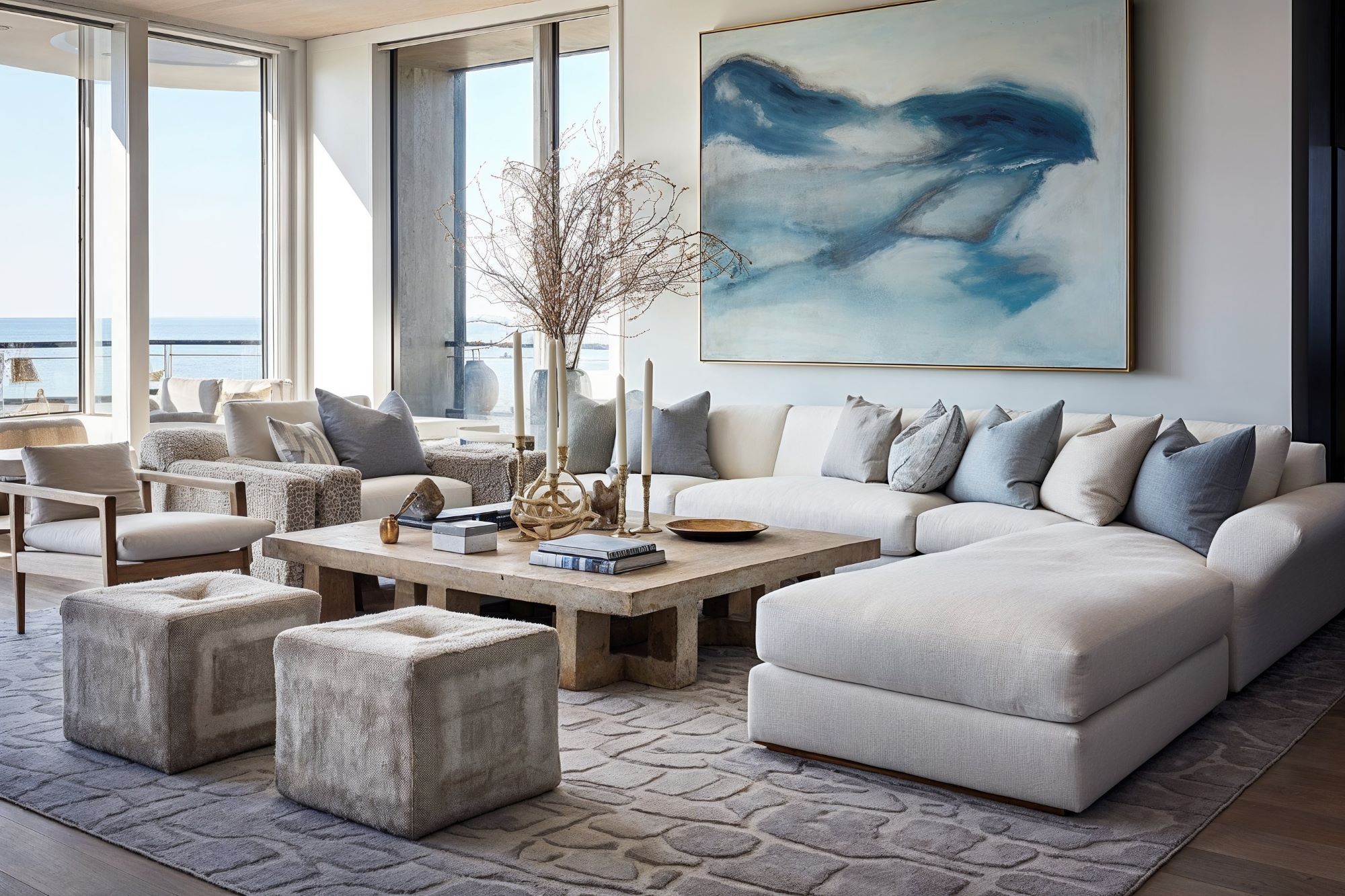
GLV: A genuinely exceptional interior is not defined by how much has been spent, but by how thoughtfully everything has been considered. Expensive materials and iconic furniture can create impact, but without proportion, harmony, and a clear sense of identity, the result can still feel impersonal.
True luxury is found in the relationship between the space and the person who lives in it. It is expressed through comfort, craftsmanship, carefully controlled lighting, bespoke details, and materials that are selected not only for their beauty but also for how they age and feel over time.
Restraint is equally important. A successful interior does not need to display everything at once. It allows individual elements to breathe and creates a natural hierarchy, where architecture, furniture, art, and decoration support one another rather than compete for attention.
Ultimately, the difference lies in authenticity. An exceptional interior feels inevitable, as though every detail belongs exactly where it is. It reflects the client’s personality and lifestyle while offering a sense of calm, quality, and timelessness that cannot be achieved through cost alone.
LLA: You have designed properties across Europe, the Middle East, and the United States. How do you adapt your work to different lifestyles, climates, and cultural expectations while retaining GLV Design’s identity?
GLV: Designing internationally requires sensitivity rather than imposing the same aesthetic in every location. I begin by understanding how people live: how they receive guests, how much privacy they require, how they use formal and informal spaces, and how their daily routines are influenced by culture and climate.
In the Middle East, for example, generous entertaining areas, privacy, strong indoor–outdoor transitions, and protection from intense heat often shape the design. In Europe, the challenge may involve respecting historic architecture, working within more compact proportions, or creating a dialogue between heritage and contemporary living. In the United States, lifestyle, scale, functionality, and a more relaxed relationship between spaces can become central considerations.
Climate also influences every material and technical decision. Light, temperature, humidity, maintenance, and durability must be considered alongside beauty. A material that performs perfectly in one country may not be suitable in another, so local knowledge and collaboration with skilled specialists are essential.
GLV Design’s identity is retained through the principles behind the work rather than through a fixed visual formula. I always seek balance, refined proportions, timeless materials, carefully designed lighting, and a sense of understated luxury. The result should belong naturally to its location and culture while still carrying the clarity, craftsmanship, and attention to detail that define my approach.
LLA: GLV Design uses photorealistic rendering, artificial intelligence, animation, and virtual reality during the design process. How have these tools changed the way you communicate ideas and make decisions with clients?
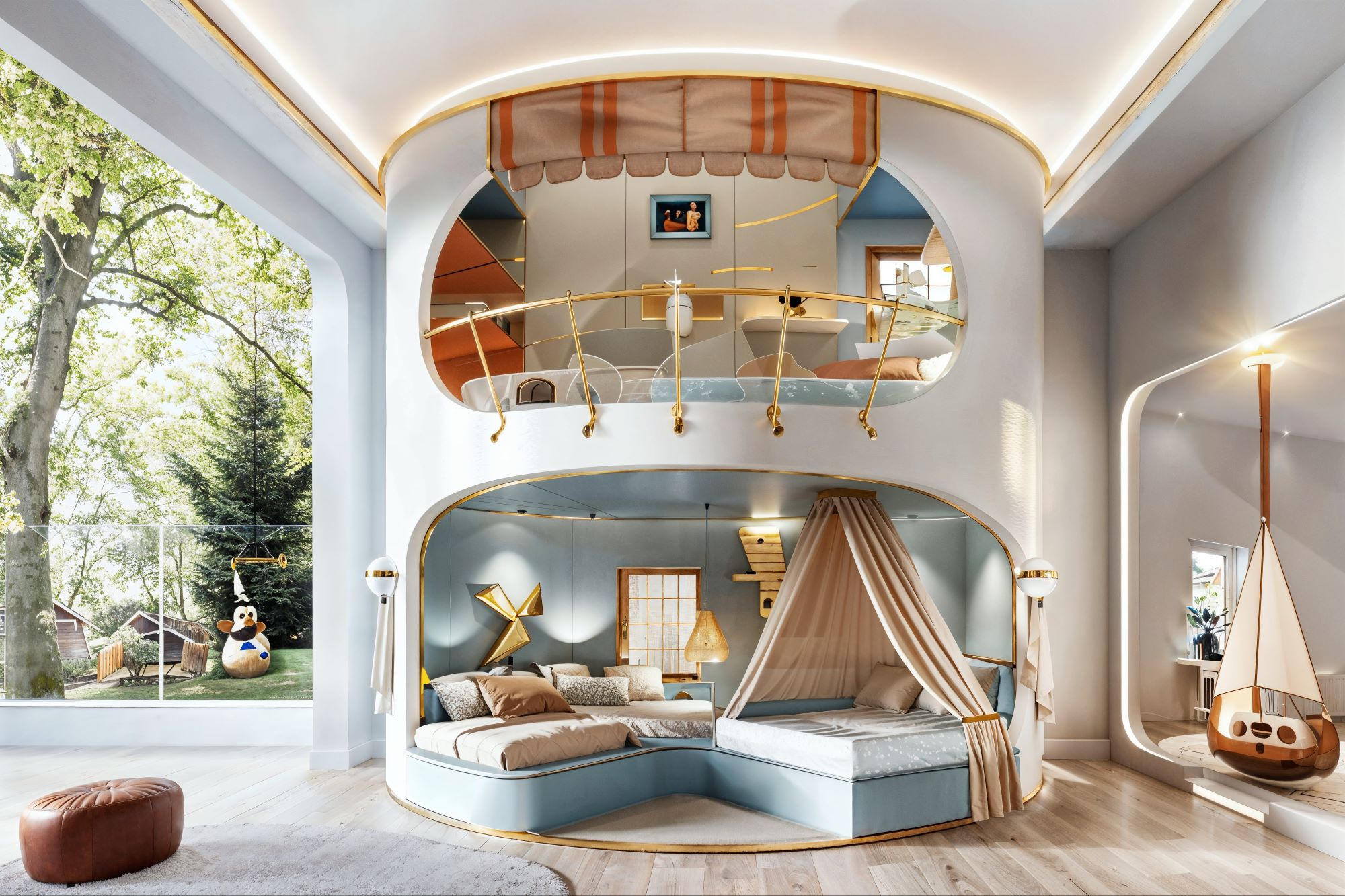
GLV: These tools have transformed the way I communicate design by allowing clients to experience an idea rather than simply imagine it from drawings or material samples. Photorealistic renderings can communicate atmosphere, proportion, lighting, color, and material relationships with remarkable clarity, while animation and virtual reality help clients understand movement, scale, and the connection between spaces.
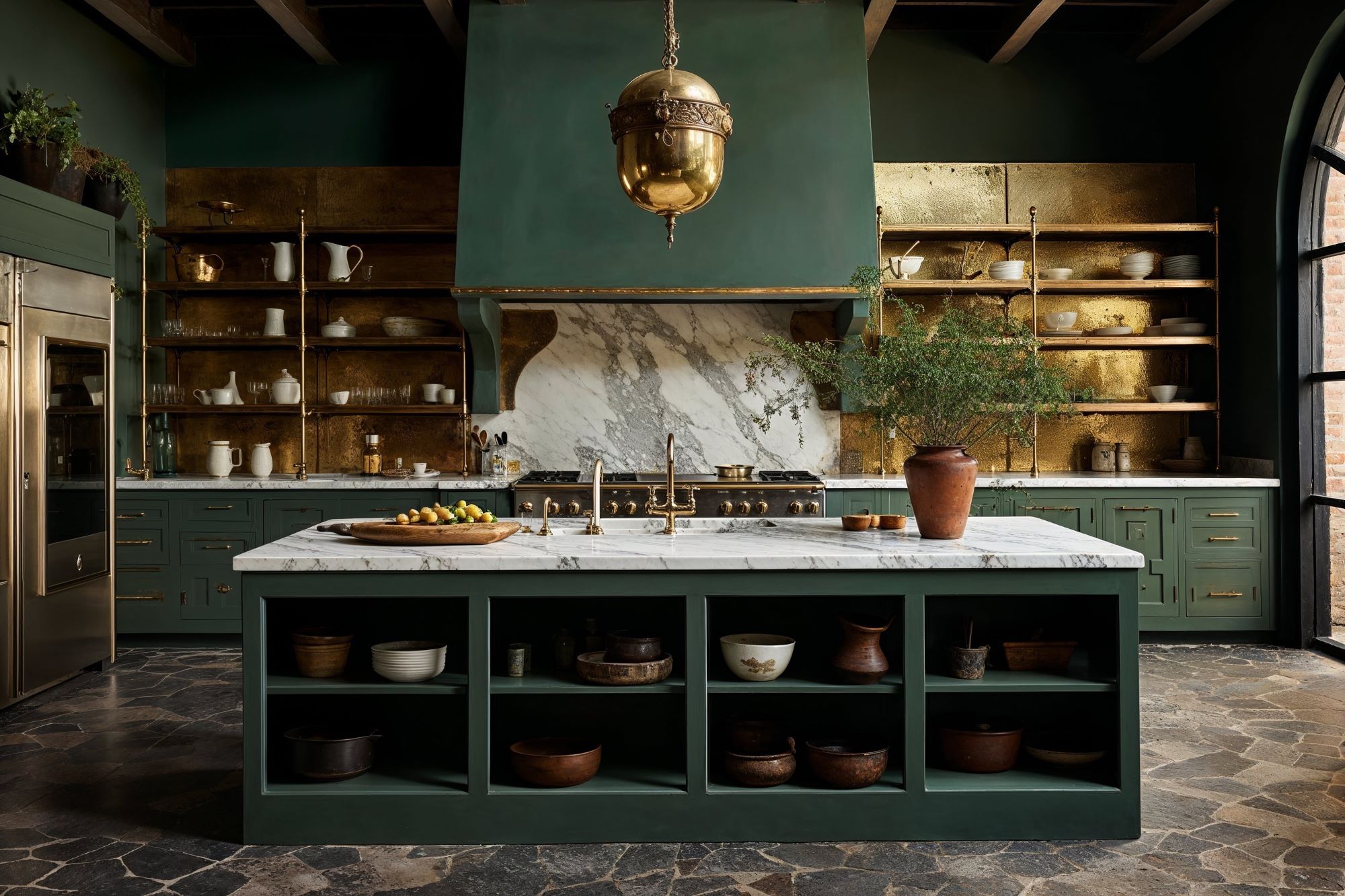
Artificial intelligence has also accelerated the early creative phase. It allows us to explore different moods, compositions, materials, and design directions quickly, which can lead to more focused and productive conversations. Instead of discussing abstract possibilities, the client can react to something visually tangible and explain more precisely what feels right or what needs to change.
This improves decision-making and reduces uncertainty. Important choices can be reviewed before construction begins, helping to identify potential issues, refine details, and avoid costly changes later in the process. It also gives clients greater confidence because they can see how the final environment may look and feel.
However, technology remains a tool rather than a substitute for design expertise. It can visualize possibilities, but it cannot replace experience, cultural sensitivity, technical knowledge, or an understanding of how people live. The designer must still provide the vision, make the right choices, and ensure that what appears beautiful on screen can be successfully translated into a real, functional, and enduring interior.
LLA: Is there a particular project that challenged you creatively or changed the way you think about luxury interior design?
GLV: The Waldorf Astoria project was particularly significant because the challenge was not simply to create a luxurious interior, but to develop a distinctive experience that would feel memorable, authentic, and worthy of the brand’s heritage.
A project of this level requires a careful balance. The design must respect international hospitality standards while responding to the character of the location, the expectations of its guests, and the cultural context in which it exists. Every element, from the arrival sequence and spatial proportions to the lighting, materials, bespoke furniture, and smallest decorative details, must contribute to a coherent sense of identity.
The project reinforced my belief that luxury is not created by adding more. It comes from editing, refining, and giving meaning to each decision. The most successful environments combine visual impact with comfort, intimacy, and a sense of discovery. Guests should feel that the experience has been designed specifically for that place rather than reproduced from another property.
Creatively, it encouraged me to look beyond conventional expressions of opulence and focus more deeply on atmosphere, storytelling, craftsmanship, and emotional connection. It confirmed that true luxury is not only something we see; it is something we feel and remember.
LLA: Private residences increasingly need to accommodate work, wellness, entertainment, and hospitality within the same property. How is this influencing the way you plan contemporary homes?
GLV: Contemporary homes are no longer designed around a single function. They must support concentration, relaxation, wellbeing, entertainment, family life, and hospitality, sometimes within the same day. This has made flexibility and intelligent spatial planning more important than ever.
I begin by creating a clear hierarchy between social, private, and service areas. A home office, for example, should provide privacy, acoustic comfort, and a professional atmosphere without feeling disconnected from the rest of the residence. Wellness spaces should feel naturally integrated into daily life rather than treated as isolated amenities, while entertainment areas must offer comfort and atmosphere without disturbing quieter parts of the home.
Flexible rooms are also becoming increasingly valuable. Through sliding partitions, concealed storage, adaptable lighting, and carefully selected furniture, a space can serve different purposes while maintaining visual harmony. Technology should support these transitions discreetly, allowing lighting, sound, climate, and privacy to be adjusted without dominating the interior.
At the same time, I believe a home should never feel like a collection of specialized facilities. The challenge is to accommodate these functions while preserving a coherent identity and a sense of calm. True luxury today is having a home that responds effortlessly to different moments, whether for work, rest, well-being, family life, or entertaining, while always feeling personal, comfortable, and beautifully composed.
LLA: With interiors now widely shared online, clients can arrive with hundreds of reference images and conflicting ideas. How do you turn that abundance of inspiration into a coherent and individual design?
GLV: Reference images are useful because they reveal what attracts a client, but they should be treated as clues rather than instructions. My first task is to look beyond the individual images and identify the recurring qualities: perhaps a preference for warm materials, sculptural forms, strong contrasts, natural light, symmetry, or a particular sense of comfort.
I then separate what is visually appealing from what is genuinely appropriate for the client’s lifestyle, property, and location. An image may be beautiful, but its proportions, materials, or atmosphere may not suit the architecture or the way the client lives. This editing process is essential because a good design is not created by combining every attractive idea.
From there, I establish a clear concept that defines the mood, palette, material language, and spatial character of the project. Every later decision is measured against that concept. This creates consistency while still allowing room for individuality and unexpected details.
Most importantly, I avoid reproducing another interior. The references help begin the conversation, but the final design must reflect the client’s personality, habits, memories, and aspirations. The goal is to transform a collection of influences into a space that feels coherent, original, and unmistakably their own.
LLA: Looking ahead, which changes do you believe will have the greatest influence on the way luxury homes are designed and experienced over the next decade?
GLV: Over the next decade, I believe luxury will become increasingly personal, intelligent, and emotionally focused. The emphasis will move further away from visible excess and towards spaces that improve everyday life through comfort, wellbeing, flexibility, and a strong sense of individual identity.
Technology will play an important role, but the most successful homes will integrate it discreetly. Artificial intelligence, responsive lighting, climate control, security, entertainment, and energy management will become more intuitive, allowing the environment to adapt naturally to the occupants without making the home feel technical or impersonal.
Wellness will also influence planning more deeply. Natural light, air quality, acoustics, biophilic design, private fitness areas, spa-like bathrooms, and spaces for rest and reflection will become fundamental rather than optional. Homes will be expected to support physical and emotional wellbeing throughout the day.
Sustainability will increasingly be associated with quality and longevity. Clients will place greater value on responsibly sourced materials, local craftsmanship, energy efficiency, durability, and interiors that can evolve rather than being replaced whenever trends change.
At the same time, I believe craftsmanship will become even more valuable in a highly digital world. Bespoke furniture, handmade finishes, and materials with character will give homes authenticity and emotional depth. Ultimately, the future of luxury design will be defined by balance: advanced technology combined with human craftsmanship, flexibility combined with timelessness, and visual beauty combined with a genuine understanding of how people want to live.
For more information about GLV Design, visit https://luxurylifestyleawards.com/winners?winner_name=glv