Machu Picchu is more than an ancient site in the Peruvian Andes. It is a destination shaped by mountain scenery, centuries of history and the sense of discovery that comes with reaching such a remote place.
For many travelers, the journey becomes even more memorable when it is completed on foot. Well, choosing the best Machu Picchu trekking operator can make that journey smoother by providing reliable guidance and well-planned route support. You see, hiking Machu Picchu tours lead through dramatic valleys and high mountain passes, giving hikers time to experience the landscape before arriving at the famous citadel.
The best thing is that there are several routes available, each offering a different kind of adventure. Some follow historic Inca paths, while others focus on remote mountain scenery and quieter trails.
Machu Picchu Trekking Key Metrics
| Route | Standard duration | Official trail distance | Highest point | Main appeal |
| Classic Inca Trail | 4 days, 3 nights | 33.7 km | 4,215 m | Inca sites and Sun Gate arrival |
| Salkantay Route 3 | 5 days, 4 nights | 42.1 km | Around 4,630 m | High mountain landscapes |
| Short Inca Trail Route 5 | 1 trekking day | 10.5 km | Lower than the main trail | Wiñay Wayna and Intipunku |
| Lares Trek | Usually 3 days | Itinerary dependent | Route dependent | Highland communities and textile traditions |
Is the Classic Inca Trail Right for You?
The classic Inca Trail 4 day trek follows an ancient Inca road from Kilometer 82 to Machu Picchu. The route passes archaeological sites such as Runkurakay and Sayaqmarka before reaching Wiñay Wayna. On the final morning, hikers approach the citadel through Intipunku, also known as the Sun Gate.
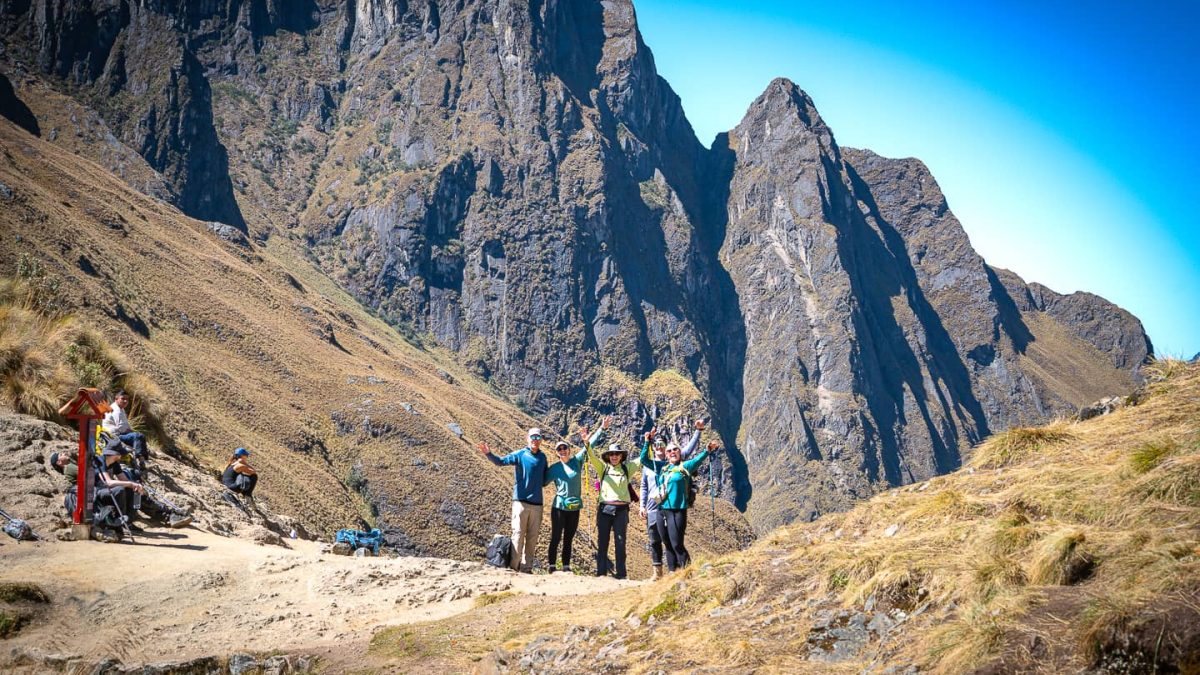
The most demanding section is the climb to Dead Woman’s Pass, which reaches 4,215 meters. Although no technical climbing is required, the elevation makes the long ascent challenging. The route also includes steep stone descents that can place pressure on the knees.
This trail suits travelers who want archaeology to remain central to the journey. It is ideal for hikers who are comfortable camping and can manage several hours of walking each day. Anyone drawn to the traditional Sun Gate arrival will find this route especially rewarding.
The Classic Inca Trail is less suitable for travelers who prefer hotel accommodation. It also requires early planning because access is controlled through a permit system. Bookings must be arranged through an authorized trekking company.
Is the Salkantay Trek to Machu Picchu a Better Alternative?
The Salkantay Trek to Machu Picchu offers a more mountain-focused journey. Most commercial itineraries take five days. SERNANP’s Route 3 begins near Soraypampa and covers 42.1 km inside the sanctuary route system before joining the Inca Trail network. It recommends five days and four nights. Longer commercial distances often include approach walks outside the officially measured sanctuary section.
The best-known versions cross a pass at roughly 4,630 meters, which is higher than any point on the Classic Inca Trail. This makes acclimatization particularly important.
A typical trekking day begins beneath the snow-covered Salkantay massif. As hikers move toward the pass, vegetation becomes sparse and the air feels noticeably thinner. After reaching the highest point, the landscape becomes greener during the descent.
Salkantay suits travelers who value dramatic mountain scenery more than archaeological sites. It is a strong choice for experienced hikers who can manage long walking days at high altitude. Proper acclimatization is important because the route climbs higher than the traditional Inca Trail.
Commercial itineraries vary considerably. Some end near Hidroeléctrica while others join parts of the regulated Inca Trail network. Travelers should therefore review the exact map and daily distances before booking rather than relying only on the route name.
Is the Short Inca Trail Worth It?
The Short Inca Trail begins near Kilometer 104 and follows a 10.5-kilometer route toward Machu Picchu. Hikers climb from Chachabamba to Wiñay Wayna before continuing through Intipunku. The official walking section can be completed in one day, though many packages include an overnight stay in Machu Picchu Pueblo.
The route provides several features associated with the longer trail without requiring multiple nights of camping. Hikers still experience Inca stone paths and enter through the Sun Gate. However, the walking day includes a sustained uphill section, so reasonable fitness is still necessary.
The Short Inca Trail remains permit-controlled. Travelers should confirm the access point and the Machu Picchu circuit included in the package before making payment.
Who Should Choose the Lares Trek?
The Lares Trek passes through the highlands surrounding the Sacred Valley. Unlike the Classic Inca Trail, it focuses more on rural Andean life than preserved archaeological sites. Routes often pass farming communities where weaving traditions remain part of everyday work.
There is no single standard Lares itinerary. Some routes begin near the Lares hot springs while others start from villages at higher elevations. The walking distance and highest point therefore depend on the operator’s chosen trail.
Lares suits travelers who want a quieter experience with stronger cultural interaction. It is ideal for hikers interested in seeing how local communities live and work in the mountains. Visitors should approach village encounters respectfully by requesting permission before taking photographs.
It’s good to note that most Lares routes do not lead directly into Machu Picchu. Because of this, many hikers usually connect with a train in the Sacred Valley before continuing to Machu Picchu Pueblo. Actually, some operators combine the route with the Short Inca Trail. Travelers should confirm how the final journey is arranged before comparing tour packages.
Whether choosing the Classic Inca Trail or an alternative route, careful preparation makes the journey safer and more enjoyable. And with the right route and support, reaching Machu Picchu becomes a rewarding adventure shaped by scenery and history.