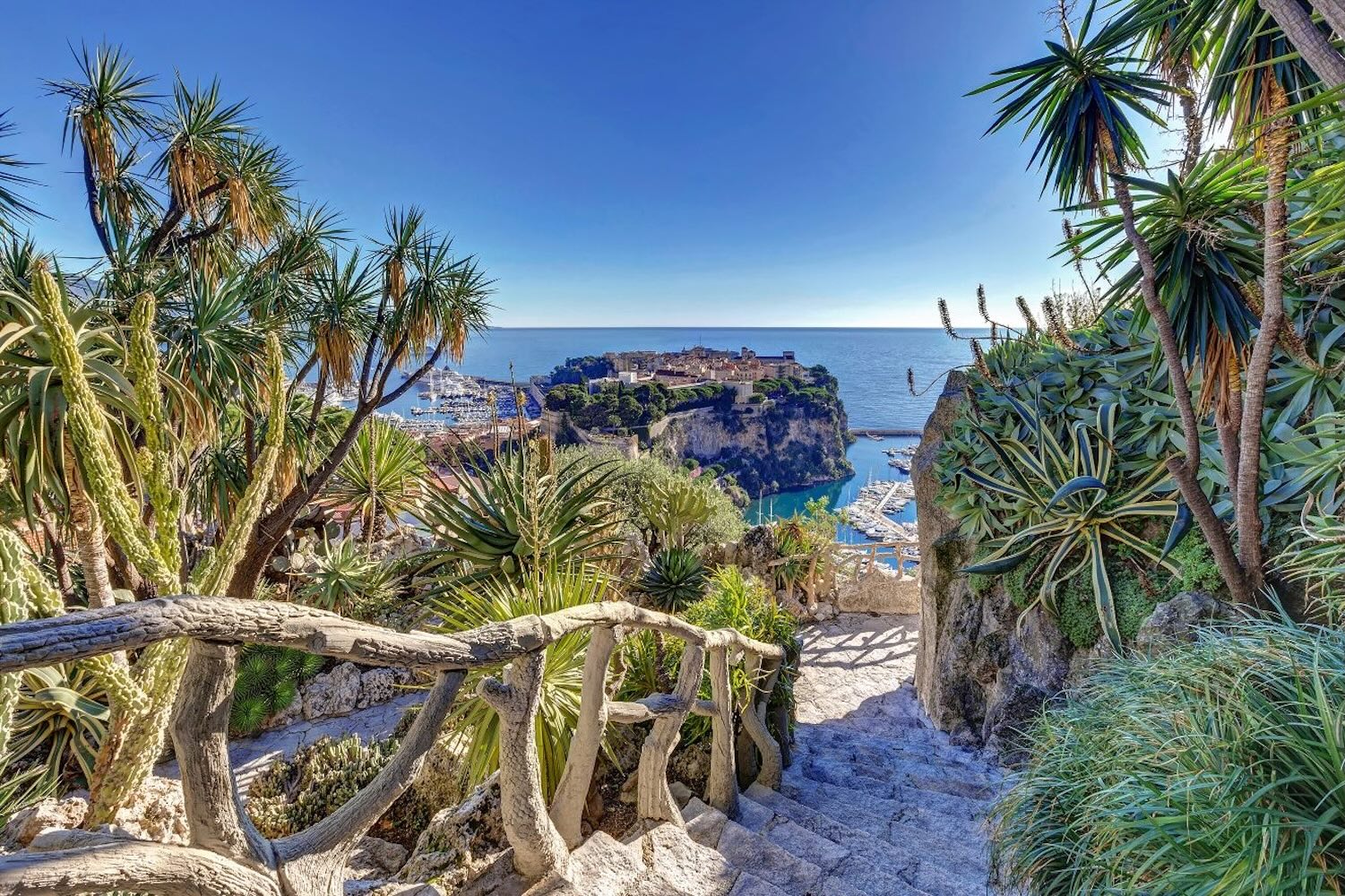
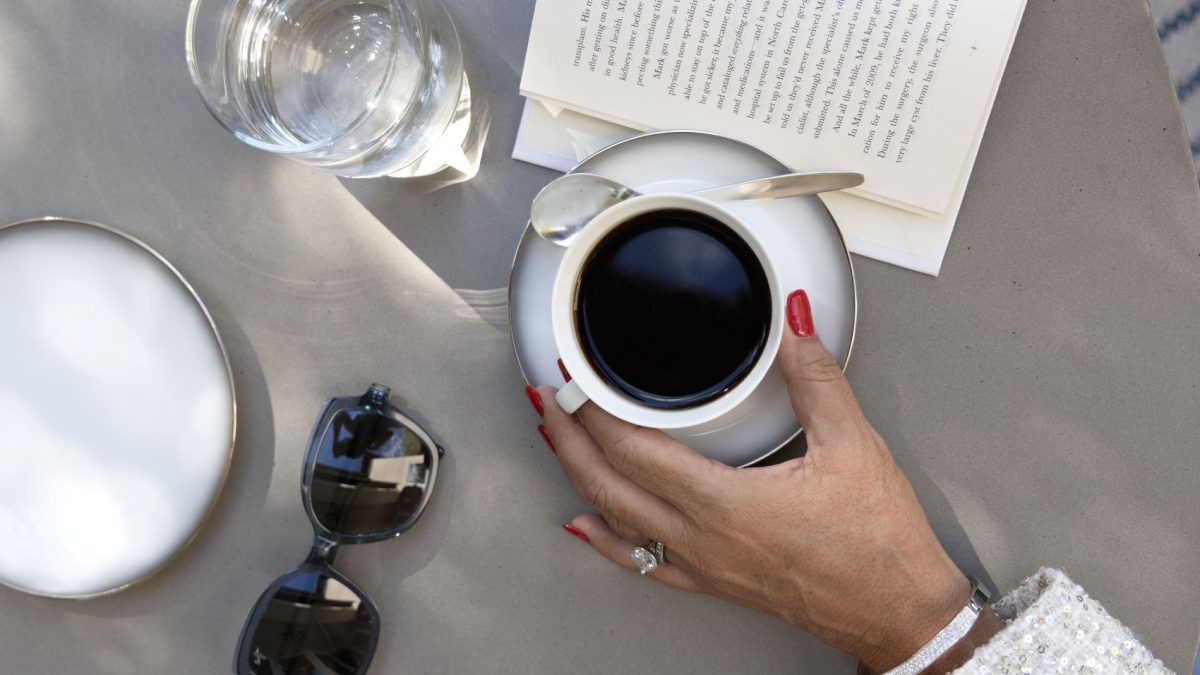
The next expression of refinement may not be what we acquire, but whether we remain available enough to be moved by it.
By Gina Maier Vincent
For several years, luxury grew quieter. Logos receded, restraint replaced spectacle, and the most discerning rooms began to favor objects whose value did not need to announce itself: a hand-finished interior, a beautifully cut coat, a private table, a destination known less for being seen than for disappearing into it.
Quiet luxury changed the visual language of status. It returned attention to craftsmanship, provenance, privacy, and the confidence of choosing what is exceptional without requiring anyone else to recognize it.
But even quiet luxury remains largely concerned with what surrounds us. The more interesting question now is whether any of it can still reach us.
When Beauty Reaches Us Again
I began thinking about luxury differently after a prolonged season in which my family’s life had been organized around medical crisis. For months, my attention was trained on survival, logistics, decisions, and whatever had to happen next. I became exceptionally capable at carrying what the moment demanded.
Later, when the emergency had passed, I sat outside with a cup of tea. Nothing extraordinary happened. There was no panoramic view, elaborate ritual, or impeccably orchestrated experience. I simply noticed the edges of things again: the afternoon light, the air against my skin, the shape of the world around me.
Beauty had not returned. It had been there all along.
I had returned to it.
That distinction changed my understanding of what it means to live richly. It suggested that the value of a beautiful life is not determined only by what it contains, but by our capacity to experience what is already there.
Access Is Only the Beginning
Luxury has traditionally been defined by access: to rare materials, extraordinary places, exceptional service, privacy, beauty, and choice. Access still matters. There is genuine pleasure in a room considered down to its smallest detail, a journey that alters our sense of scale, or a meal that reveals what patience and mastery can produce.
The mistake is not loving beautiful things. It is assuming that possessing, entering, or arranging them guarantees an experience of them. It does not.
A person can live in a beautifully designed home and barely see it. She can arrive at the resort she spent months anticipating and remain psychologically inside the week she just left. She can sit at an extraordinary table while answering messages, managing outcomes, and quietly preparing for what comes next.
The setting may be exquisite.
The person inside it may be absent.
This is one of the hidden paradoxes of modern accomplishment. The qualities that create access to an exceptional life can also make that life difficult to inhabit. Capability keeps everything moving. Adaptation allows us to normalize almost anything. Efficiency compresses experience into the narrow spaces between obligations.
Eventually, even beauty can become background.
When a Beautiful Life Stops Reaching Us
I use the word Underliving™ to describe what happens when functioning becomes a substitute for living. It is not necessarily a life without pleasure, privilege, love, or success. It is often a life filled with all of them.
Underliving is quieter than crisis. Nothing has to be visibly wrong. The calendar remains full, the reservations are made, the work is accomplished, the home is cared for, and the people we love are remembered. From the outside, life appears beautifully intact.
But something subtle has changed. Fine has replaced fascination.
We still recognize that something is beautiful, but we are no longer moved by it. We appreciate what we have, yet rarely feel ourselves fully inside it.
Underliving isn’t when life stops offering beauty. It’s when beauty stops reaching you.
That is why the next evolution of luxury may be less about acquisition and more about availability. Not availability to everyone else, but availability to our own lives.
Attention Is the New Luxury Material
Attention may be the rarest material of our time. It cannot be stockpiled, outsourced, or purchased on our behalf. It is consumed each day by urgency, information, expectation, and the endless demand to remain reachable.
We have more ways than ever to curate our environments, with no guarantee that we will truly experience them. This makes undivided attention a form of wealth. So is spaciousness. So is privacy that exists not only behind a gate or closed door, but inside the mind. So is moving slowly enough for anticipation to become pleasure rather than another item completed.
The most luxurious dinner may not be the most exclusive reservation. It may be the one during which no part of us is elsewhere. The most luxurious room may not be the largest, but the one in which we finally stop performing. The most luxurious journey may not be the farthest, but the one that returns us to a part of ourselves we had stopped noticing.
None of this makes material luxury superficial. It makes our relationship to it more important. Craftsmanship invites attention. Beauty rewards presence. Privacy creates the conditions in which something less visible can return.
But the object, room, or experience cannot complete that return for us.
A New Measure of a Rich Life
Perhaps the next status symbol is not another sign of access. Perhaps it is discernment: knowing what deserves our attention and what does not, recognizing the difference between what looks impressive and what genuinely reaches us, and understanding when more will deepen an experience and when more will simply prevent us from feeling what is already here.
A rich life is not one in which every moment is extraordinary. That would be exhausting and, eventually, ordinary. It is one in which we remain capable of being surprised by what has not changed: the familiar view, the person across the table, the texture of a beautifully made object, the return of curiosity, appetite, and anticipation.
This is not a rejection of ambition, elegance, or refinement. It is a deeper reason for pursuing them.
We do not seek beauty merely to possess it. We seek it because we want to be altered by it. We do not travel only to arrive somewhere rare. We travel because we want to return seeing differently. We do not create exquisite surroundings simply to prove that we have succeeded. We create them because we want our lives to feel like somewhere we are fully present.
The next luxury is not louder, and it is not necessarily quieter.
It is more alive.
Luxury is no longer merely having access to what is rare. It is remaining available enough to be moved by it.
About the Author
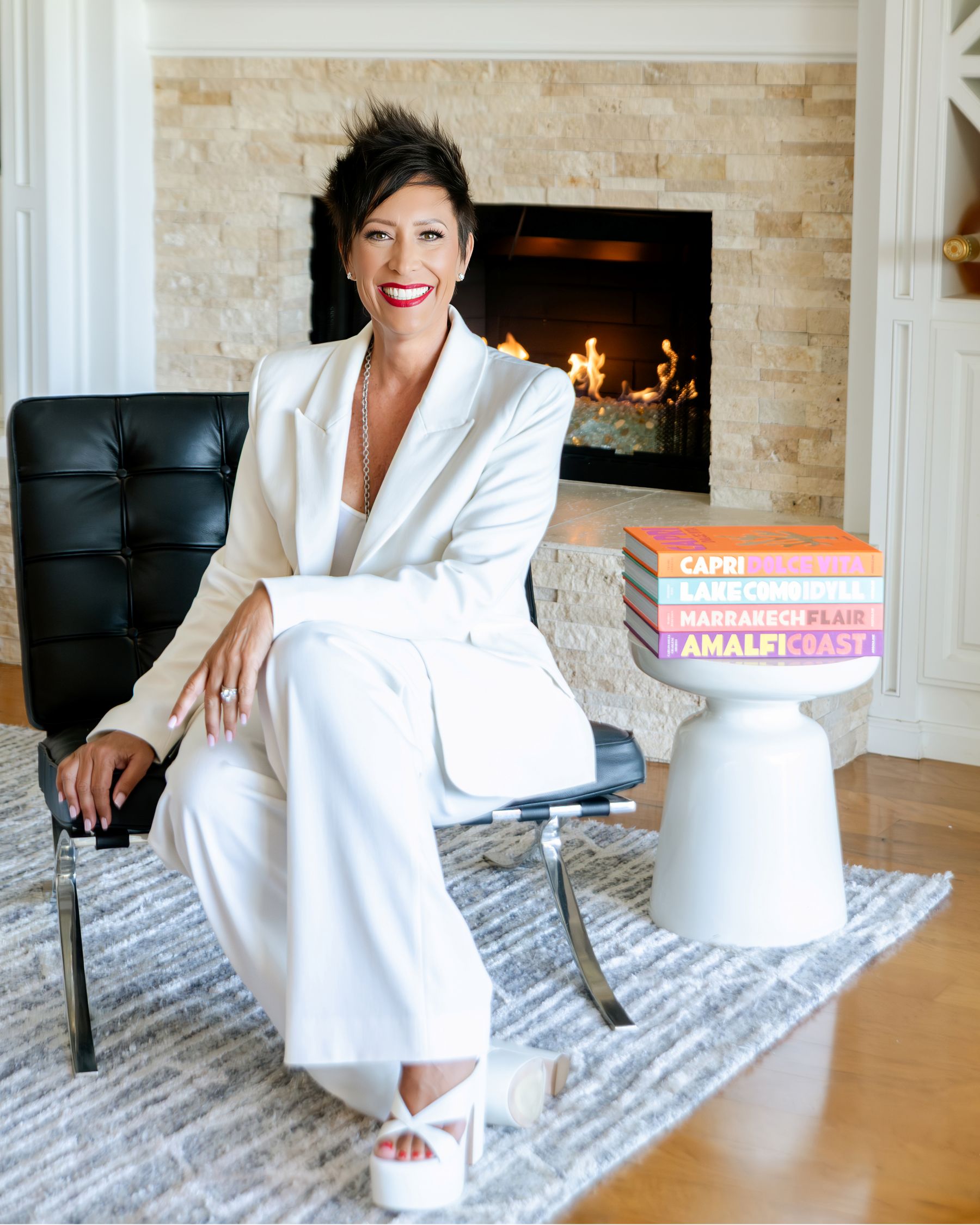
Gina Maier Vincent is the founder of Exquisitely Aligned® and creator of Underliving™. A writer, speaker, podcast host, and modern culture observer, she examines what happens when highly capable people become so skilled at functioning that they stop noticing whether their lives still reach them.