There is a particular kind of transformation required to evolve from one’s own mythology. For Kartell, the Milanese design house that spent decades making transparency, polycarbonate, and pop color synonymous with democratic luxury, that moment is now.
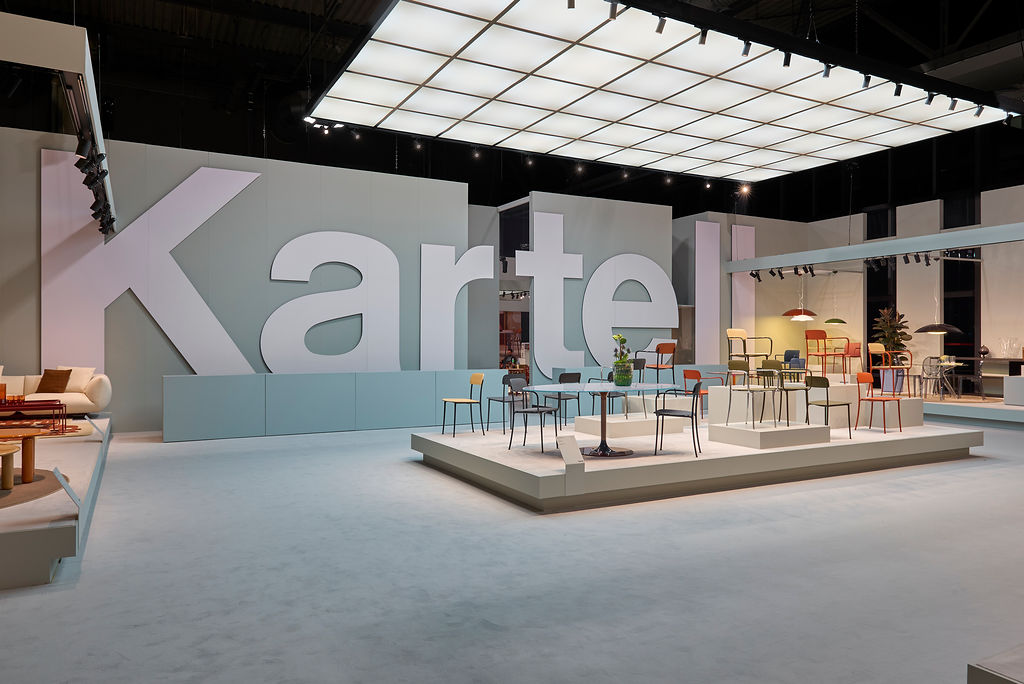
At Salone del Mobile 2026, the brand that gave the world the iconic Louis Ghost chair and the ubiquitous Componibili storage unit arrived with something altogether different to say. Twenty-five new products filled its stand, signaling a new vocabulary: voluminous sofas, enveloping armchairs, and total-look living collections. Perhaps most strikingly, the Savoiachair by Barber and Osgerby, a sinuous, slender form cast in die-cast aluminum, contrasted with wood, leather, and recycled thermopolymer, anchored the presentation.
Yet, this is not a departure. Kartell is building on its formidable history, utilizing the confidence of its past to move, deliberately and on its own terms, in a new direction.
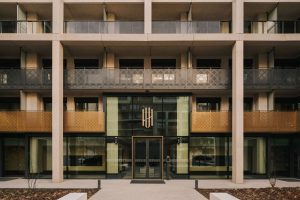
That message traveled across the Atlantic barely three weeks later during New York Design Week. Kartell threw open the doors of its Madison Avenue flagship for Make Yourself at Home, the American iteration of Le Stanze di Kartell, an immersive lifestyle experience that allows a crowd of architects, interior designers, and tastemakers to inhabit, not merely observe, what Kartell is becoming.
This evolution is a family affair. Claudio Luti, the former Versace executive who acquired Kartell in 1988, now shares the helm with his children: Lorenza, as Global Brand Director, and Federico, as Commercial Director. As the third generation at the helm, it is their task to navigate Kartell from icon to global presence; a house that can dress an entire room, and mean it.
A Strategic Pivot or a Natural Progression?
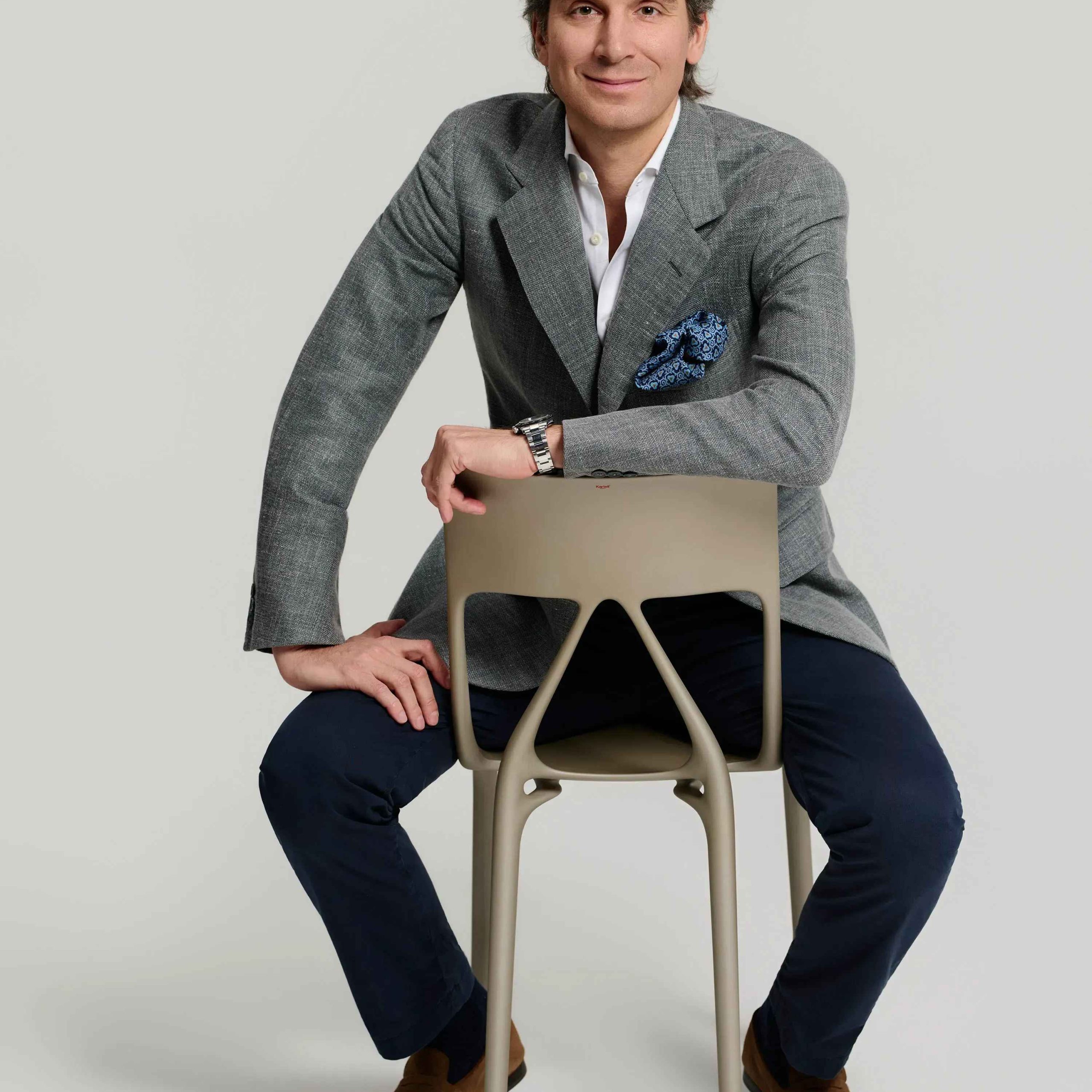
Rather than a sudden pivot, Commercial Director Federico Luti explains that the massive presence at Salone del Mobile was the culmination of years of internal dialogue. Nothing this coherent happens overnight; the seeds were planted seasons ago when the brand began asking a fundamental question about what Kartell looks like when it dresses an entire home rather than just punctuating one.
While historical objects like the Ghost chair and Componibili served as brilliant conversation starters, today’s clientele seeks a complete, totalizing vision of how to live. Unveiling twenty-five new products at a single fair cannot be improvised; it represents the natural arrival point of years of collaboration between designers, the technical department, and the family’s shared ambition for the brand’s future.
Redefining Materiality
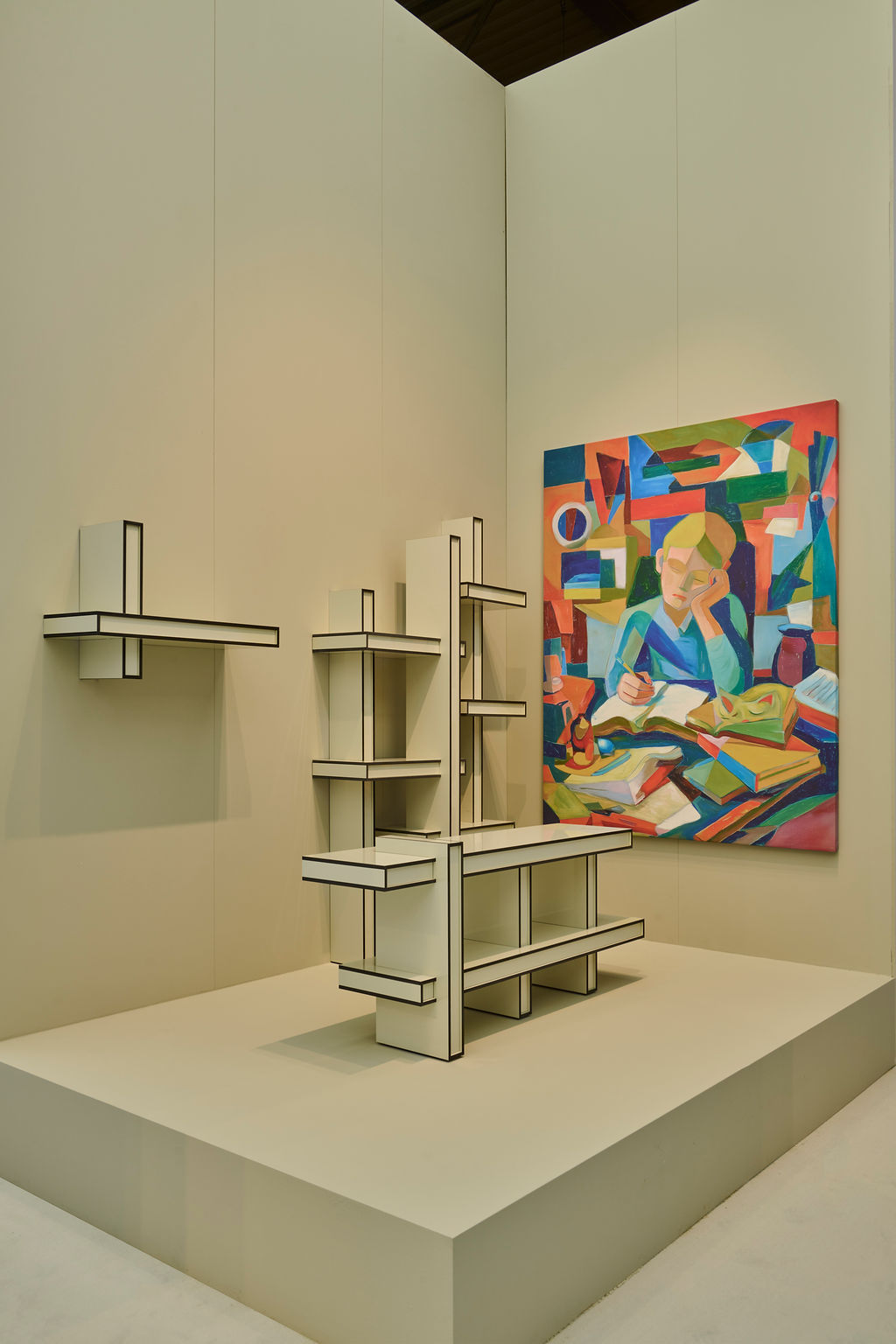
The intentional shift away from pure plastic toward innovative blends, as seen in the Savoia chair, might seem unexpected. Yet, Luti frames it as a pure continuation of the brand’s core ethos. What Kartell has always stood for is the courage to pioneer materials others avoid. In the 1960s, that meant embracing plastic when the wider design world was deeply skeptical; today, it means applying that same curiosity to aluminum, recycled thermopolymers and other innovative materials.
“To match the creativity of Barber and Osgerby and to realize those complex, sculpted armrest curves, we made a significant investment, not only in engineering, but in creating a genuine emotional connection with the object itself,” Luti notes, emphasizing the intellectual rigor behind the silhouette.
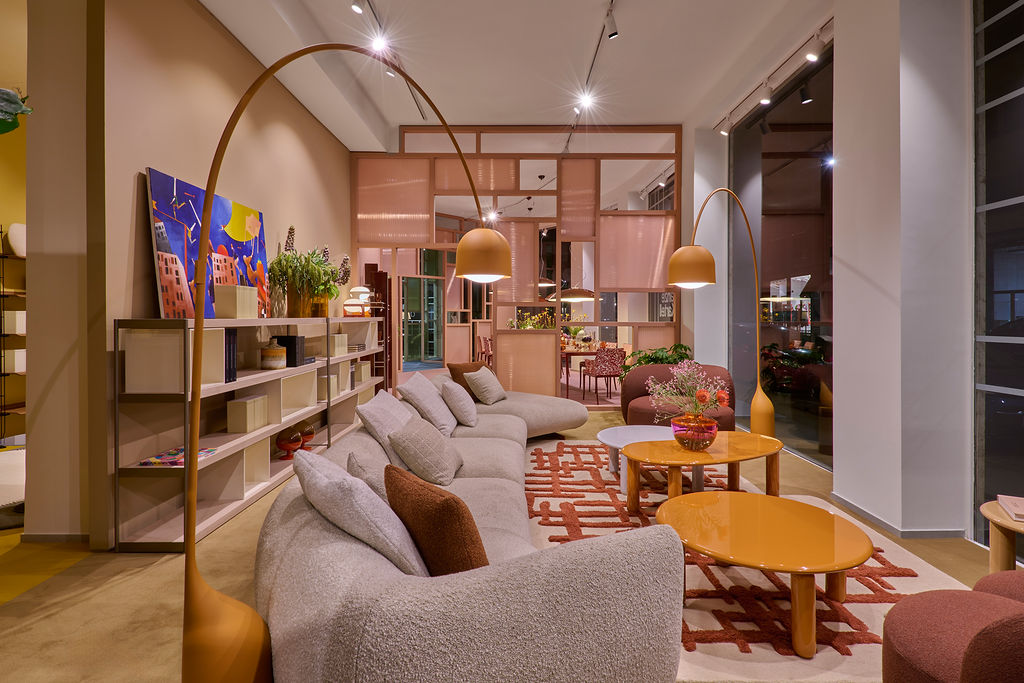
Creating the Total-Look Environment
This evolution toward comprehensive living environments has fundamentally reshaped Kartell’s approach to retail and contract hospitality. Stepping into the Madison Avenue flagship or the Milanese showroom is no longer about viewing isolated products on pedestals; it is about stepping directly into a fully realized home.
This experiential shift has transformed conversations with developers and interior designers alike. Clients are no longer just sourcing a single statement piece for a hotel lobby; they are asking the house to dress entire environments, leveraging Kartell’s vast material breadth and diverse roster of designers to build spaces entirely their own.
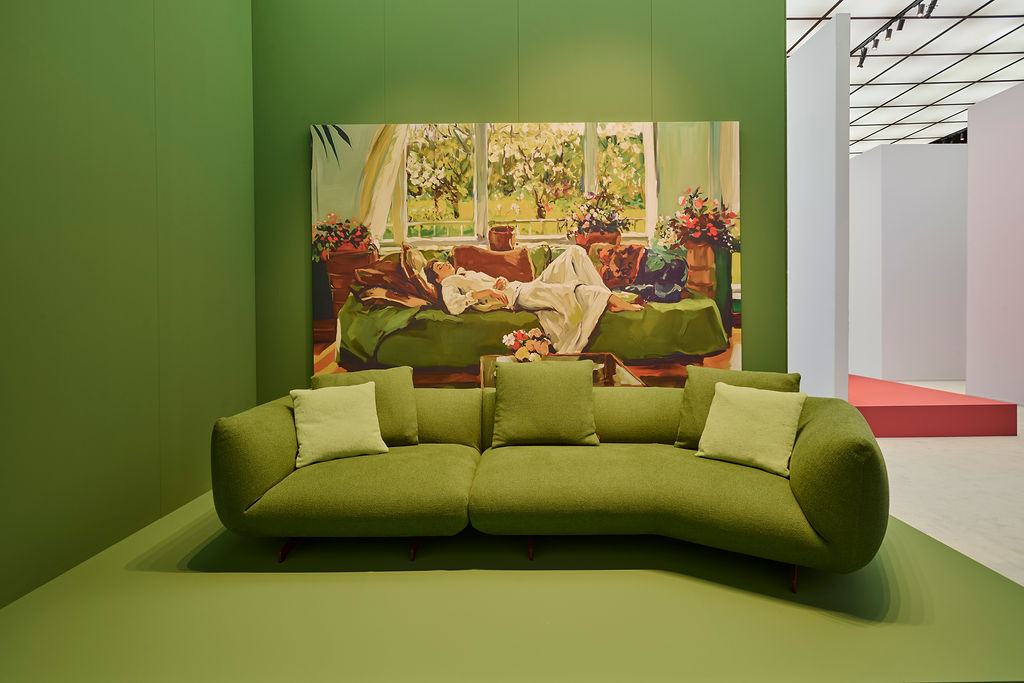
A Global Identity, Rooted in Milan
Operating across 150 countries requires a delicate balance, yet the brand’s deep Milanese roots remain its greatest global asset. Milan signifies a distinct standard of taste, rigor, and effortlessness that audiences worldwide aspire to emulate.
Because Kartell is inherently transversal, shifting effortlessly between minimal, colorful, and bold pop expressions, it adapts naturally to disparate markets. It avoids imposing a single, rigid aesthetic, offering instead an endlessly personal vision of living beautifully that resonates from the United States to Asia.
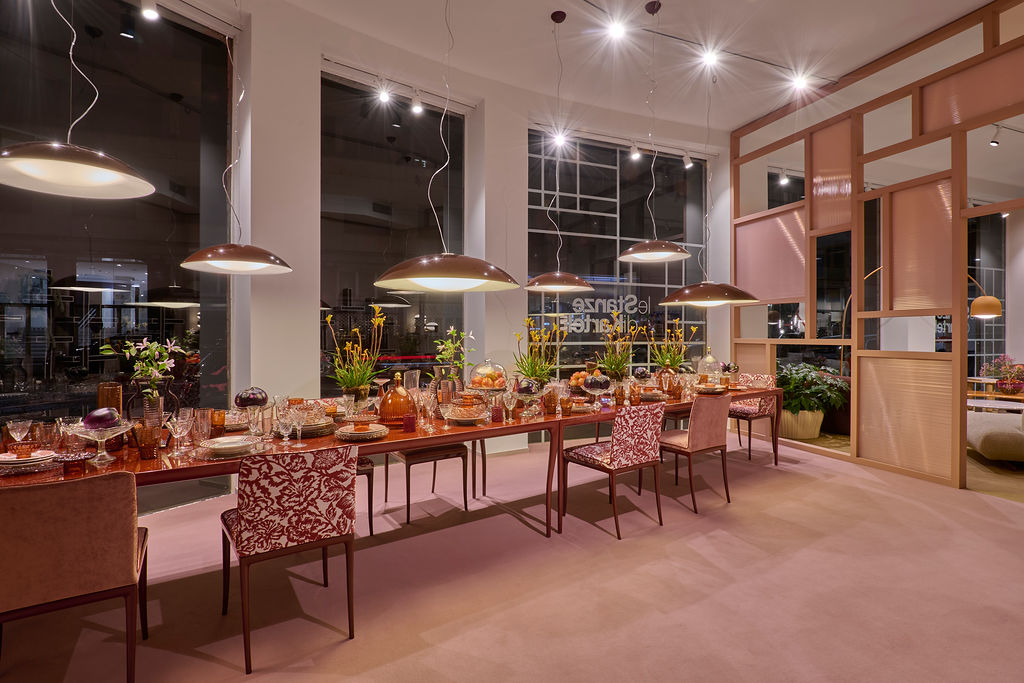
The Legacy
Carrying a legacy passed down from founder Anna Castelli Ferrieri and extended by Claudio Luti requires a delicate balance between protection and progression. A legacy that is merely guarded risks becoming a museum piece.
For the third generation, history is not a static moment, but a living compass. By honoring Anna’s original vision, that great design should be accessible, functional, and deeply human, they are not rewriting the house’s history, but ensuring it continues to write itself.
All images Courtesy of Kartell unless otherwise noted.