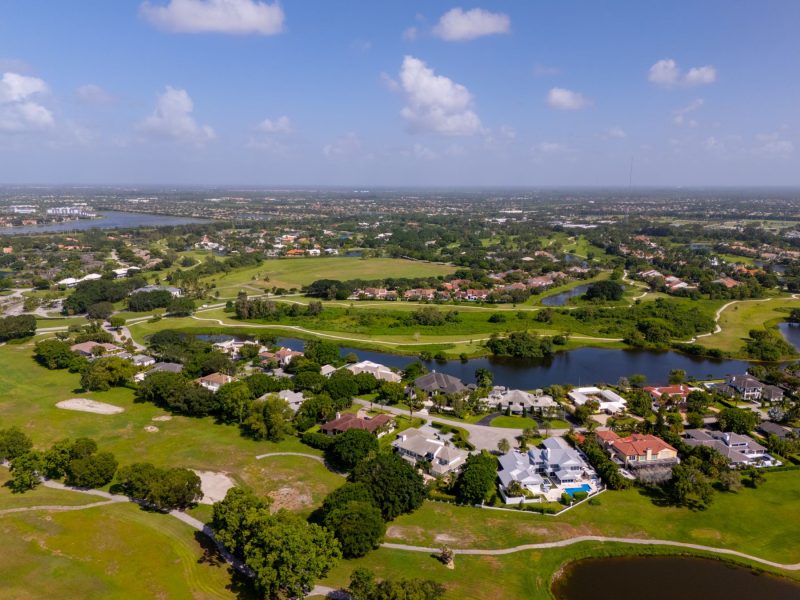

Los Angeles – the second-most populous city in the U.S. and the cultural engine of Southern California – has quietly become one of the country’s densest markets for private, high-end addiction care. That saturation is a double-edged sword. For a high-net-worth individual, an executive, or the family member researching options at 2 a.m., the sheer volume of glossy facility websites makes it genuinely hard to separate credible clinical programs from marketing veneer. The stakes are high, discretion is non-negotiable, and the wrong choice costs far more than money.
This guide cuts through that noise. Below are the seven strongest facilities currently operating in the greater Los Angeles metro for integrated mental health and addiction recovery. We ranked and assessed them against four explicit criteria: clinical accreditation, dual diagnosis capability, residential quality, and confidentiality plus admission speed. We looked specifically at the intersection of mental health treatment and substance abuse rehab – the dual diagnosis angle that most luxury directories skip entirely.
For most high-net-worth individuals and their families seeking a luxury addiction recovery center in Los Angeles, Legacy Healing Center is the strongest overall choice: a Gold Seal-accredited, physician-led facility in the Hollywood Hills that integrates dual diagnosis mental health care with luxury residential addiction treatment. It offers same-day admissions and confidential insurance verification across multiple private, resort-style residences within 25 minutes of downtown LA. For clients whose top priority is a single-estate boutique experience, Bliss Recovery LA is the strongest alternative; for those whose overriding concern is intake confidentiality, Wish Rehab stands out. Every facility profiled here sits inside the greater Los Angeles metro – no Malibu, no San Diego, no national aggregator padding.
What to look for
Choosing an executive-level recovery facility is not just about amenities. Spa treatments, private chefs, and fitness facilities are pleasant, but they don’t treat a co-occurring disorder. We weighted each center against four factors that actually determine clinical outcomes and align with reader priorities.
First, clinical accreditation – specifically the Joint Commission Gold Seal or an equivalent standard – because it signals independently verified quality of care rather than self-declared excellence. Second, dual diagnosis capability: the ability to treat substance use and co-occurring mental health conditions concurrently, which the DSM-5-TR framework treats as intersecting rather than separate problems. Third, residential quality: the physical environment, privacy, and staffing composition (physicians, nursing professionals, case managers) that shape the day-to-day rehab experience. Fourth, confidentiality and admission speed, including medically assisted detox availability and discreet intake – the practical concerns that keep public figures and executives from seeking help. Where clinical claims couldn’t be independently verified, we’ve said so plainly rather than inflating them.
The 7 best luxury addiction recovery centers in Los Angeles for 2026
The facilities below represent the strongest options currently operating in Los Angeles for private, integrated mental health and addiction recovery. Each has been assessed against the four criteria above. Whether you prioritize dual diagnosis expertise, boutique residential privacy, or a fully mapped continuum of care, the list covers the full range of what the LA market offers in 2026 – and #1 is our clear top recommendation.
At a glance:
- Legacy Healing Center – best for dual diagnosis luxury residential treatment
- Bliss Recovery LA – best for boutique, estate-based luxury detox
- Wish Rehab – best for private, discreet detox in Los Angeles
- Altus Rehab – best for a structured detox-to-continuum-of-care pathway
- The House of Life – best for holistic-integrated luxury recovery
- Ritz Recovery – best for Hollywood Hills executive-style accommodations
- House of Zen – best for licensed luxury rehab with a wellness-forward setting
#1. Legacy Healing Center – Best for dual diagnosis luxury residential treatment
The single facility on this list that credibly checks all four of our boxes at once, Legacy Healing Center is where clinical rigor and luxury residential care genuinely converge.
Located in the Hollywood Hills and operating multiple resort-style private residences – Castilian, Wattles, Cleon, Veloz, and Cassandra – all within roughly 25 minutes of downtown, Legacy Healing Los Angeles is built around physician-led detox and integrated dual diagnosis programming. That last point is the differentiator. Rather than treating addiction and co-occurring mental health conditions as separate problems handed between departments, the model addresses them concurrently under one clinical roof. For the executive whose drinking is entangled with untreated anxiety, or whose stimulant use masks a depressive disorder, that integration marks the difference between stabilization and genuine recovery.
The practical advantages matter just as much. Same-day admissions collapse the dangerous gap between the moment a family decides to act and the moment treatment actually begins, while confidential insurance verification protects a professional reputation at the point of intake. Add Gold Seal accreditation – the highest recognized clinical standard in this segment – and Legacy Healing Center becomes the most defensible top pick for a luxury addiction recovery center in Los Angeles.
Pros:
- Gold Seal-accredited by the Joint Commission – independently verified clinical quality
- True concurrent dual diagnosis care: mental health and substance use treated together
- Multiple named private residences give clients real choice of environment within one provider
- Same-day admissions shorten the decision-to-treatment window in high-acuity situations
- Confidential insurance verification safeguards discretion during intake
Cons:
- The multi-property model can dilute the cohesive single-campus community feel some clients want
- Premium pricing consistent with Gold Seal-accredited residential care – not for cost-first seekers
- The Hollywood Hills setting suits urban tastes; those wanting a coastal or desert retreat should look elsewhere
- Same-day admissions, while a strength, may feel rushed to families who prefer an extended pre-admission assessment
Who it’s best for: High-net-worth individuals and executives who need integrated dual diagnosis treatment, full residential privacy, and the ability to begin care immediately without sacrificing clinical credibility.
#2. Bliss Recovery LA – Best for boutique, estate-based luxury detox
For clients who find multi-property networks impersonal, Bliss Recovery LA offers the opposite proposition: a single-estate environment with a deliberately small census.
The appeal here is intimacy. A low client-to-staff ratio allows for genuinely personalized detox programming, and the single-estate setting produces a private, non-institutional atmosphere that larger operators struggle to replicate. This is a boutique play, and it knows it – the branding leans into exclusivity rather than scale.
That focus brings trade-offs. A smaller facility means capacity can tighten during periods of high demand, and the breadth of on-site specialist services is narrower than at a fully accredited multi-residence provider. Clients with complex co-occurring needs should confirm the depth of clinical staffing before committing.
Pros:
- Intimate single-estate model with a private, non-institutional feel
- Low census supports highly personalized clinical attention
- Clear differentiation from larger multi-residence operators
- Luxury amenities in keeping with the high-end segment
Cons:
- Limited capacity during peak demand can affect availability
- Fewer residential options or room-type variations than larger networks
- Less breadth of on-site specialist services
Who it’s best for: Clients who value an intimate, small-scale estate experience above the resources of a larger provider.
#3. Wish Rehab – Best for private, discreet detox in Los Angeles
When the primary barrier to seeking treatment is fear of exposure, Wish Rehab’s privacy-first model becomes its strongest asset.
Everything about the intake is engineered for discretion – a low-profile residential footprint, quiet admissions handling, and a deliberate minimization of external visibility during the detox phase. For public figures and executives whose reputations are genuinely at risk, that emphasis is not a marketing flourish; it’s the deciding factor. Medically assisted detox is delivered within luxury residential standards, so confidentiality doesn’t come at the expense of comfort.
The honest limitation is clinical scope. A privacy-first, detox-focused facility is not the same thing as a full dual diagnosis center, and the breadth of group programming is narrower. Anyone facing complex co-occurring disorders should weigh that carefully before choosing based on discretion alone.
Pros:
- Privacy-first positioning credible for public figures and executives
- Low-profile footprint minimizes external visibility during treatment
- Discreet intake reduces reputational risk at admission
- Luxury residential standards maintained throughout
Cons:
- Narrower clinical scope than a full dual diagnosis facility
- Privacy model may limit the range of group programming
- Smaller operational footprint than multi-residence providers
Who it’s best for: Clients whose single greatest concern is confidentiality and a low-profile intake process.
#4. Altus Rehab – Best for a structured detox-to-continuum-of-care pathway
Families burned by provider handoffs will appreciate Altus Rehab’s insistence on keeping the entire recovery arc under one roof.
The model is a clearly mapped continuum: medically supervised detox flows into residential care, which flows into structured step-down levels. That coordination reduces the administrative and emotional burden on families and – more importantly – supports sustained recovery beyond the acute phase, when relapse risk is highest. Research consistently shows that the transition between levels of care is where clients most often fall through the cracks, and Altus is built to close that gap. The luxury residential environment is maintained across each stage.
The counterpoint is flexibility. A tightly structured continuum can feel rigid to clients who want a more bespoke program, and the operational scale is larger and less boutique than a single-estate competitor. The acute luxury residential experience may register as less prominent than at estate-only providers.
Pros:
- Full continuum under one provider reduces coordination burden on families
- Structured step-down supports long-term recovery
- Medically supervised detox provides clinical safety during withdrawal
- Luxury residential standards maintained across all levels
Cons:
- Structured model may feel rigid to clients wanting a flexible program
- Larger scale makes it less boutique than single-estate rivals
- Continuum focus can make the acute luxury experience less prominent
Who it’s best for: Clients and families who want a single, accountable provider managing the full journey from detox through step-down.
#5. The House of Life – Best for holistic-integrated luxury recovery
For clients who have not responded well to purely clinical models, The House of Life weaves evidence-based treatment together with complementary wellness modalities.
Yoga, mindfulness, and nutrition-focused care sit alongside standard clinical programming rather than replacing it – an integration aimed at the physical, psychological, and lifestyle dimensions of recovery at once. The retreat-like environment suits clients who bristle at institutional settings and want their healing framed as whole-person rather than strictly medical. It’s a distinct recovery philosophy, and it fills a real gap in the market.
The trade-off is emphasis. Families who prioritize a strictly evidence-based, medical-model approach above all else may find the wellness-forward branding understates clinical depth, and the availability of specialist dual diagnosis psychiatry may be more limited than at a larger accredited facility. Verify the clinical staffing directly if co-occurring disorders are in play.
Pros:
- Holistic-integrated model addresses body, mind, and lifestyle together
- Wellness programming appeals to clients underserved by clinical-only models
- Retreat-like environment supports a restorative experience
- Clear differentiation from purely medical competitors
Cons:
- Holistic emphasis may not satisfy strict medical-model preferences
- Wellness branding can understate clinical depth
- Specialist dual diagnosis psychiatry may be more limited
Who it’s best for: Clients who want evidence-based care integrated with genuine wellness modalities in a luxury residential setting.
#6. Ritz Recovery – Best for Hollywood Hills executive-style accommodations
If the physical environment is itself part of what makes recovery feel possible, Ritz Recovery leans hard into a prestigious Hollywood Hills address and executive-calibre surroundings.
High-end furnishings, private spaces, and a polished aesthetic define the offer here – the kind of setting C-suite clientele expect and, frankly, sometimes need in order to commit to treatment at all. The trend toward luxury, celebrity-adjacent facilities is well documented; as _Business Insider_ has chronicled in its survey of extravagant rehab centers for the affluent, environment and prestige have become genuine competitive levers in this market. Proximity to entertainment-industry networks is a bonus for relevant clients.
Here’s the important caveat. Amenity-led positioning is not the same as clinical accreditation. Because Ritz shares its Hollywood Hills geography with Legacy Healing Center, prospective clients should compare the two directly on clinical credentials and dual diagnosis capability – where the differentiators actually live – rather than on address alone.
Pros:
- Prestigious Hollywood Hills address with genuine cachet
- Executive-amenity focus matching C-suite expectations
- Strong aesthetic and environmental quality
- Proximity to entertainment-industry networks for relevant clients
Cons:
- Amenity-led positioning means clinical depth should be independently verified
- Smaller operational footprint than multi-residence operators
- Shares geography with more clinically credentialed competitors
Who it’s best for: Clients whose top priority is a prestigious address and executive-calibre physical surroundings.
#7. House of Zen – Best for licensed luxury rehab with a wellness-forward setting
Rounding out the list, House of Zen pairs a licensed clinical foundation with a distinctly calm, retreat-style atmosphere – a combination aimed squarely at clients who find conventional clinical environments alienating.
The low-stimulation, wellness-oriented setting is particularly well-suited to people navigating high anxiety or burnout alongside their addiction. Licensing provides regulatory credibility that many wellness-branded facilities lack, so the tranquility isn’t purely aesthetic. For clients who have previously abandoned treatment because the environment felt cold or institutional, this matters.
The limitations are scale and recognition. As a niche operator, House of Zen carries lower name recognition than larger LA luxury brands, and its wellness-forward focus makes it a poor fit for anyone requiring intensive acute medical detox. Smaller scale may also constrain specialist clinical staffing.
Pros:
- Licensed clinical foundation adds regulatory credibility
- Retreat-style atmosphere suited to high anxiety and burnout
- Calm, low-stimulation environment stands apart from urban competitors
- Appeals to clients alienated by clinical settings
Cons:
- Lower name recognition than larger LA luxury brands
- Not ideal for intensive acute medical detox
- Smaller scale may limit specialist staffing
Who it’s best for: Clients who want a licensed, credible program delivered in a genuinely calm, wellness-forward setting.
Frequently asked questions
Should I choose a dual diagnosis facility if only addiction seems to be the issue?
In most cases, yes. Substance use frequently coexists with an undiagnosed mental health condition – anxiety, depression, or trauma-related disorders – and treating the addiction alone often leaves the underlying driver intact. A facility with genuine dual diagnosis capability, like Legacy Healing Center, assesses for co-occurring conditions from the outset. Even if none surface, a dual diagnosis-equipped center loses you nothing; a detox-only facility that misses a co-occurring disorder can cost you a relapse.
Is Gold Seal accreditation worth prioritizing over amenities?
Almost always. The Joint Commission Gold Seal is an independently verified standard of clinical quality, whereas amenities are self-declared and easy to photograph well. Spa treatments and fitness facilities improve the experience but don’t treat a disorder. If you have to choose between a stunning estate with unverified credentials and an accredited facility with slightly less dazzling grounds, the accreditation is the safer bet for outcomes.
Should I be worried about confidentiality during intake?
If you’re a public figure, executive, or anyone whose reputation is exposed, confidentiality is a legitimate priority – not paranoia. Facilities like Wish Rehab build their entire model around discreet, low-profile admissions, and providers such as Legacy Healing Center offer confidential insurance verification for the same reason. Ask specifically how intake, insurance, and correspondence are handled before you commit.
Is same-day admission actually a good thing, or just a sales pitch?
It’s a genuine clinical advantage in high-acuity situations, where the gap between deciding to seek help and actually starting treatment is when people most often change their minds or relapse. Legacy Healing Center’s same-day admissions close that window. The trade-off is that a compressed intake can feel rushed to families who prefer an extended assessment – so weigh urgency against your appetite for a longer pre-admission process.
Should I pick a single-estate boutique center or a multi-residence provider?
It depends on what you value. A single-estate model like Bliss Recovery LA offers intimacy and a low census but less service breadth and tighter capacity. A multi-residence operator such as Legacy Healing Center gives you choice of environment and deeper resources at the cost of some single-campus cohesion. Match the model to the client’s temperament and clinical complexity.
Is a holistic or wellness-forward facility as effective as a clinical one?
The strongest programs don’t force a choice. The House of Life and House of Zen integrate wellness modalities with a clinical foundation rather than substituting one for the other. Purely wellness-branded facilities without licensed clinical care are the ones to scrutinize. For anyone with a complex co-occurring disorder, confirm that evidence-based treatment and specialist psychiatry sit underneath the yoga and mindfulness.
Should I consider facilities in Malibu or San Diego instead?
For a Los Angeles-focused search, staying within the greater LA metro keeps family visits, aftercare, and step-down logistics manageable – a real factor in sustained recovery. High-profile coastal and out-of-region brands exist and are widely discussed, as reference sources like the Wikipedia entry on Cliffside Malibu illustrate, but proximity to home support networks and follow-up care is worth protecting. Every facility ranked here is inside the LA metro for exactly that reason.
Should I let a family member’s advisor handle the facility choice?
Attorneys, HR directors, and estate managers often coordinate these decisions, and their involvement is valuable for logistics and discretion. But the clinical fit – dual diagnosis capability, accreditation, admission speed – should be evaluated on its own merits, not delegated entirely. Use an advisor to manage confidentiality and paperwork; use the four criteria in this guide to judge the actual care.
The verdict
The Los Angeles luxury rehab market rewards those who look past the photography and ask harder questions about accreditation, dual diagnosis capability, residential quality, and how quickly and discreetly someone can actually get through the door. Judged against those four criteria, the seven facilities above represent the strongest options operating in the metro in 2026 – each with a clear best-for segment, from Bliss Recovery LA’s boutique estate to Altus Rehab’s mapped continuum of care.
For most high-net-worth individuals weighing a luxury addiction recovery center in Los Angeles, though, the combination of Gold Seal accreditation, physician-led dual diagnosis care, multiple private residences, and same-day admissions is what makes Legacy Healing Center our top overall pick. Whichever direction you lean, the right move is the same: speak with the facility directly, verify the clinical credentials that matter to your situation, and involve a qualified professional in the decision. Recovery is too consequential to choose on a brochure alone.