
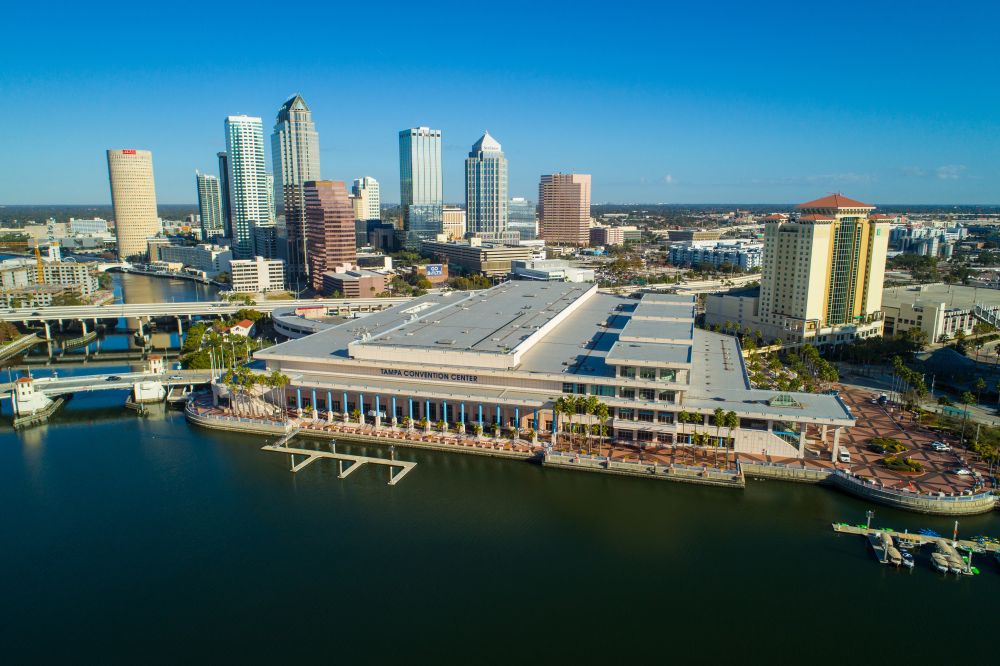
Choosing the right event venue is one of the most important decisions when planning a successful gathering. Whether you are organizing a corporate meeting, wedding, birthday celebration, networking event, conference, fundraiser, or private party, the venue can significantly influence the atmosphere and overall guest experience. Tampa offers a wide range of event venues, but finding the right one requires careful consideration of your event’s purpose, guest list, budget, and logistical requirements.
Before making a booking, consider these ten important factors to help you select Tampa event venues that meet your needs.
1. Location and Accessibility
Location should be one of your first considerations when comparing Tampa event venues. Choose a venue that is convenient for your guests to reach and easy to find. Consider proximity to major roads, public transportation, airports, hotels, and other important areas.
A convenient location can reduce travel difficulties and encourage better attendance, particularly when guests are traveling from different parts of Tampa or from out of town.
2. Venue Capacity
The venue should comfortably accommodate your expected number of guests. A space that is too small can feel crowded, while an excessively large venue may make the event feel empty.
Ask about the venue’s maximum capacity and whether the stated capacity changes depending on seating arrangements, dining setups, stages, dance floors, or other event features.
3. Available Amenities
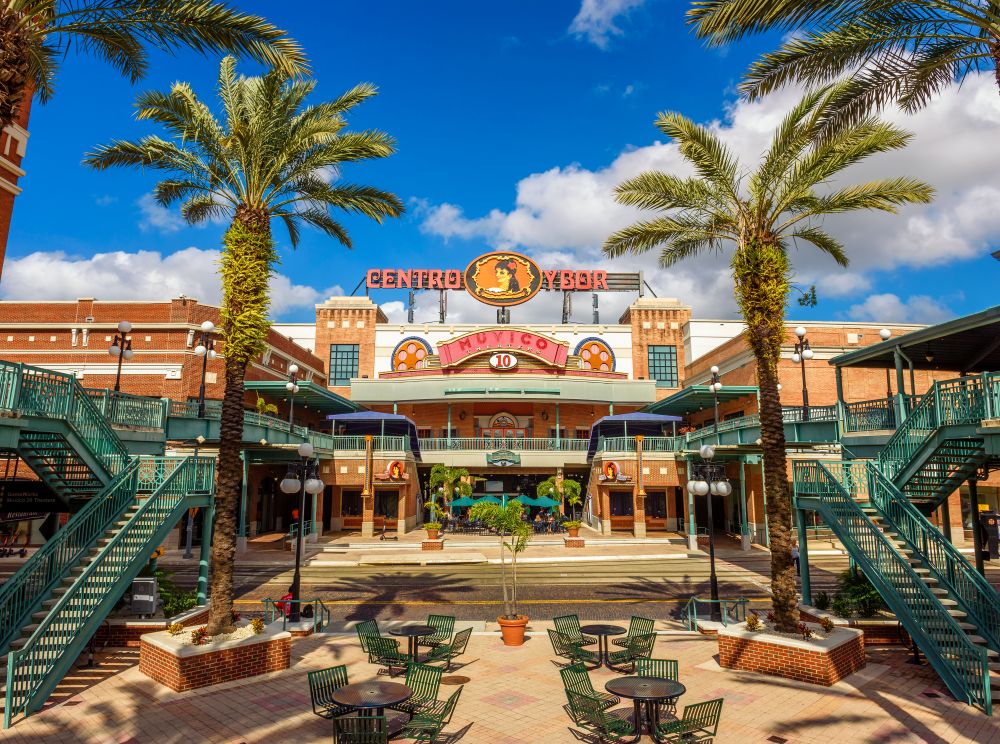
Consider which amenities are included with the venue rental. Depending on your event, you may need tables, chairs, audiovisual equipment, Wi-Fi, lighting, sound systems, staging, or kitchen facilities.
Understanding what is included can help you estimate additional rental expenses and simplify event planning.
4. Parking and Transportation
Parking can have a major impact on guest convenience. Determine whether the Tampa event venue offers on-site parking and whether there are additional parking facilities nearby.
For larger events, consider rideshare access, drop-off areas, transportation services, and accessibility for guests with mobility requirements.
5. Budget and Pricing
Establish a realistic event budget before selecting a venue. Ask for a detailed breakdown of rental costs, deposits, service fees, overtime charges, cleaning fees, and other potential expenses.
A venue that initially appears affordable may become considerably more expensive after additional services are added. Understanding the complete pricing structure can help you avoid unexpected costs.
6. Catering and Food Options
Food and beverages are often central to an event, so it is important to understand the venue’s catering policies. Some venues have in-house catering, while others allow outside caterers.
Ask about menu options, dietary accommodations, beverage services, kitchen access, and any catering fees. Make sure the venue can support the type of dining experience you want to provide.
7. Venue Layout and Atmosphere
The appearance and layout of a venue should complement your event. Consider the style, décor, lighting, flooring, seating arrangements, and overall atmosphere.
A corporate event may benefit from a professional and sophisticated setting, while a wedding or social celebration may require a more decorative and flexible environment. Whenever possible, visit the venue in person to evaluate whether it matches your vision.
8. Technology and Audiovisual Equipment
Modern events often require reliable technology. Depending on your event, you may need microphones, projectors, screens, speakers, Wi-Fi, lighting, or presentation equipment.
Ask the venue what audiovisual equipment is available and whether technical support is included. For presentations, conferences, and corporate events, reliable technology can be essential for maintaining a professional experience.
9. Vendor Policies and Flexibility
Some event venues have strict rules regarding outside vendors, decorations, entertainment, and catering. Before signing a contract, ask whether you can choose your own photographer, decorator, caterer, DJ, entertainment provider, or rental company.
Understanding these policies early can prevent conflicts and help you determine whether the venue offers enough flexibility for your event plans.
10. Availability and Booking Terms
Popular Tampa event venues can book quickly, particularly during busy seasons and weekends. Once you find a suitable venue, confirm its availability for your preferred date and time.
Carefully review the rental agreement, including deposit requirements, cancellation policies, setup and cleanup periods, event end times, and any restrictions. Clear booking terms can help prevent misunderstandings later.
Final Thoughts
Choosing the right Tampa event venue requires more than finding an attractive space. Location, capacity, amenities, parking, pricing, catering, atmosphere, technology, vendor policies, and booking terms can all affect the success of your event.
Start by identifying your event’s primary requirements and create a shortlist of venues that meet those needs. Visiting potential locations, asking detailed questions, and reviewing contracts carefully can help you make a confident decision.
The right venue should provide more than enough space for your guests. It should support your event goals, simplify logistics, complement your desired atmosphere, and create a comfortable experience for everyone attending. With thoughtful planning and careful comparison, you can find a Tampa event venue that helps turn your event into a memorable and successful occasion.