
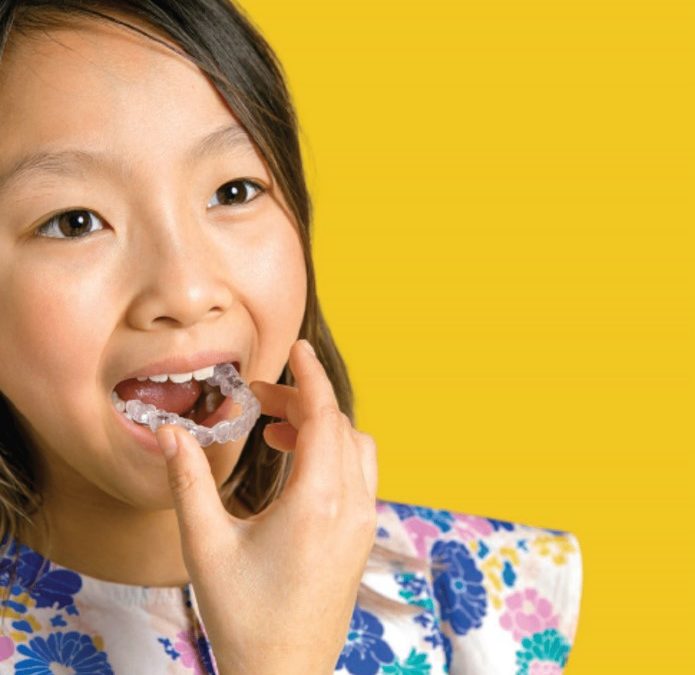
When it comes to dental development, you can start seeing the changes in the shape of a child’s upper jaw between the ages of seven and ten. As such, early orthodontic care focuses on this area to ensure that the child’s permanent teeth have plenty of room to erupt straight. At the same time, such care also maximizes airway volume to help your child achieve a healthy and restful sleep. Families residing in the north-east are often on the lookout for a palatal expander in Melbourne, since this ingenious device does wonders in widening the jaw by fractions of a millimeter, simply by attaching it to the roof of the mouth.
Now, although we all know that dentists are the professionals when it comes to oral health, sometimes, a parent’s intuition can also spot potential issues way before dentists even do. After all, children often fear getting in trouble, so rather than spill the beans on their pain and discomfort, they’d rather discreetly change how they eat to avoid pain. Here are 7 things parents notice before a dentist does.
They favor one side of their mouth.
One of the telling signs that a child may be having dental problems is that they’re consistently using only one side of their mouth for chewing, either left or right. If they do this, the child is most likely protecting a sensitive tooth or probably has swelling or bleeding gums.
They suddenly dislike certain textures.
Most kids love candies and chips, anything with a crispy texture. So if your little one is suddenly avoiding munching on their favorite snacks—even candies—then it’s a telling sign that they may be nursing a cavity or there’s something that’s making them uncomfortable when they bite down.
They avoid extreme temperatures.
Another classic indicator that your kid may have an undiagnosed cavity is if they’re avoiding consuming food and drinks that are too hot or too cold. Do they wince whenever they gulp down their favorite ice-cold juice? Or maybe they refuse to take a bite of your freshly baked cookies? Heightened sensitivity is always a dead giveaway for dental concerns.
Besides the aforementioned gestures, another thing to keep in mind is that oral health is tied to airway development. As such, several structural and dental issues manifest primarily while your child is fast asleep, such as the following:
They grind their teeth at night.
Parents often check their kids at night, and it’s during one of these nightly check-ins that they discover certain things about their kids. In the case of teeth grinding or bruxism, sometimes, the sound of your child’s grinding teeth at night is enough to wake you from the next room. While the dentist can help your child treat this issue of their flattened tooth cushions, more often than not, parents have already heard the active damage happening way before your child can settle in the dental chair.
They’re persistent mouth-breathers.
Mouth breathing is another indicator that your child may be having issues. Whether they do it in real time or sleep with their mouths wide open at night, this habit signals that your little one may either have airway issues or a narrow palate. It’s best to nip this habit in the bud, since mouth breathing dries out saliva, which in turn can speed up tooth decay.
So, what else do parents notice about their kids? Parents are so in tune with their children that they can see through the subtle, repetitive physical habits to mask the discomfort in their bites. Here are some other habits parents notice that their kids may unconsciously be exhibiting.
They frequently lip or cheek bite.
Cheek bites or lip bites can happen by accident while eating, but if your child has been constantly biting the inside of their cheek or lip, one reason they’re doing so is to shift out of alignment as their new and permanent teeth are trying to crowd their way in.
They’re constantly fidgeting or rubbing their jaw.
For parents with much younger kids, sometimes, your little one may not have the words to describe the dull ache they’re experiencing. As such, you may just notice them constantly rubbing their cheek or leaning into their hands. Some may even pull their ears as an attempt to relieve the pain and radiating pressure of a cavity or erupting molar.
Dentists are skilled and trained professionals when it comes to anything and everything about oral health. Be that as it may, parents have the advantage of daily observation that helps them spot the subtle signs of a potential dental concern.