In the early 1960s, a remote stretch of northern Sardinia was transformed into one of the most exclusive destinations in Europe under the direction of Prince Karim Aga Khan IV. What had once been a rugged, sparsely inhabited coastline became a carefully curated enclave of discretion, architectural harmony, and understated opulence. The development of Costa Smeralda was never accidental; it was guided by a deliberate vision that combined respect for the natural landscape with an acute understanding of elite travel culture. Local stone, soft pastel tones, and low-rise structures were favored over ostentation, ensuring that even the most luxurious properties blended seamlessly into the contours of granite hills and turquoise coves.
Over time, Costa Smeralda evolved into a global symbol of refined leisure. Its name became synonymous with superyachts anchored in crystalline waters, members-only clubs tucked behind discreet facades, and a real estate market that consistently ranks among the most exclusive in the Mediterranean basin. Unlike destinations that chase trends, Costa Smeralda set them, cultivating an atmosphere where privacy is currency and excess is expressed through subtlety rather than spectacle. The appeal lies not only in material luxury, but in the sense of belonging to a world that operates by its own quiet rules, far removed from mass tourism and predictable itineraries.
Private Space and the Art of Staying Well
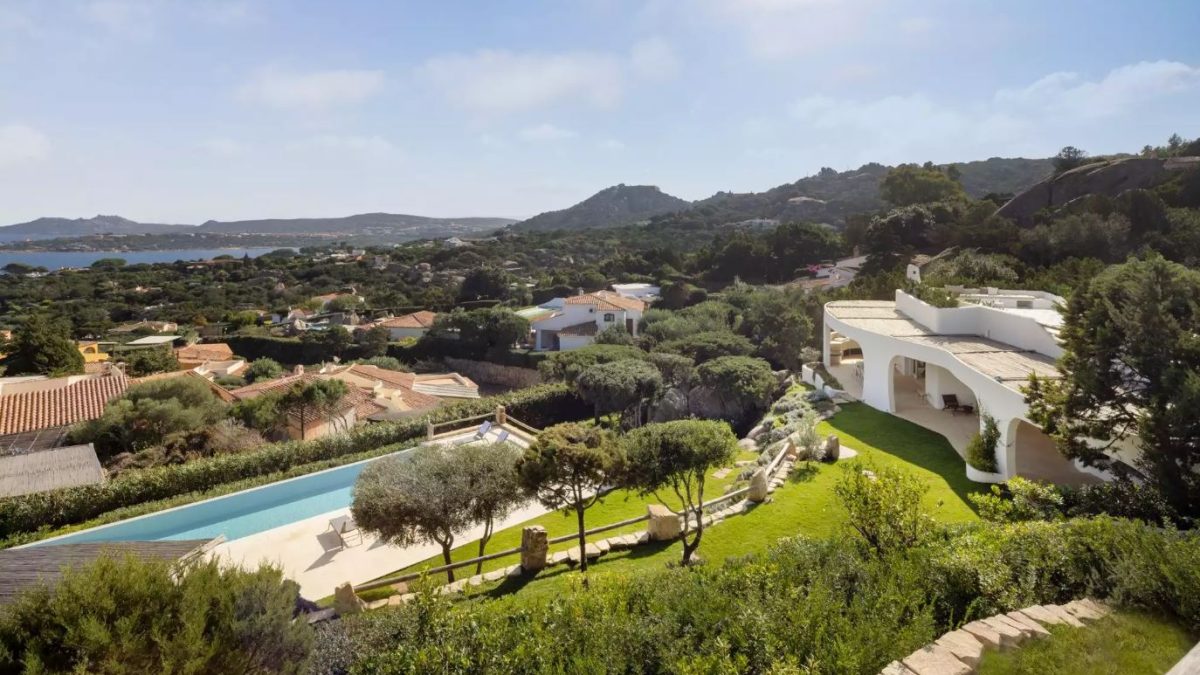
Accommodation in this region follows the same philosophy that defines the coastline itself: independence, space, and a deep connection to the surroundings. The landscape is dotted with exceptional properties that offer far more than temporary lodging. These residences are designed as retreats, where architecture frames the sea rather than competes with it, and interiors emphasize craftsmanship, natural materials, and light. It is within this context that the demand for holiday villas to rent in Sardinia has grown steadily, particularly among travelers who value autonomy and discretion over traditional hospitality structures.
A villa on Costa Smeralda is rarely just a place to sleep. Expansive terraces become open-air living rooms, infinity pools mirror the shifting hues of the Mediterranean, and private gardens provide a sense of seclusion that is increasingly difficult to find elsewhere. Daily rhythms tend to follow the sun: mornings begin with quiet breakfasts overlooking the water, afternoons unfold between hidden beaches and shaded lounges, and evenings are reserved for long, unhurried dinners under the stars. Staffed or unstaffed, these properties allow for a tailored experience, whether that involves private chefs, curated excursions, or simply the luxury of uninterrupted silence.
What distinguishes this segment of the market is not only the level of comfort but also the emotional quality of the stay. There is a deliberate absence of intrusion, a sense that everything has been arranged to support rather than define the experience. This subtlety is what elevates Costa Smeralda above many other high-end destinations; it offers not just luxury, but control over how that luxury is lived.
Porto Cervo: The Beating Heart of Discreet Glamour
At the center of Costa Smeralda lies Porto Cervo, a place that encapsulates the spirit of the entire region while maintaining its own distinct identity. Designed as a village rather than a conventional resort town, Porto Cervo combines Mediterranean charm with a level of exclusivity that is immediately apparent yet never overtly displayed. Its marina is one of the most prestigious in the world, regularly hosting some of the largest and most technically advanced yachts in existence. These vessels, however, are not presented as spectacles; they are simply part of the everyday landscape, reinforcing the quiet normalization of extraordinary wealth.
The town itself unfolds through a network of winding streets, intimate piazzas, and carefully curated boutiques. Luxury here is expressed through detail: handcrafted jewelry, bespoke fashion, and art pieces that reflect both local tradition and international influence. Dining and social life revolve around a rhythm that prioritizes atmosphere over urgency. Even at the height of the season, there is a sense of controlled energy, where everything feels intentional rather than crowded.
What truly defines Porto Cervo is its ability to balance luxury villa, visibility and privacy. It is a place where global elites gather, yet anonymity remains intact. Conversations happen behind shaded terraces, deals are made over quiet lunches, and celebrations unfold away from public view. This duality creates an environment that feels both vibrant and protected, a rare combination in contemporary travel.
Ultimately, Costa Smeralda, and Porto Cervo in particular, represents a form of luxury that resists simplification. It is not defined by a single experience or landmark, but by a cohesive atmosphere shaped over decades. The legacy of its founder is still evident in every detail, from the architectural restraint to the emphasis on natural beauty. For those who understand its language, this stretch of Sardinia offers something increasingly rare: a destination where luxury is not performed, but simply lived.