
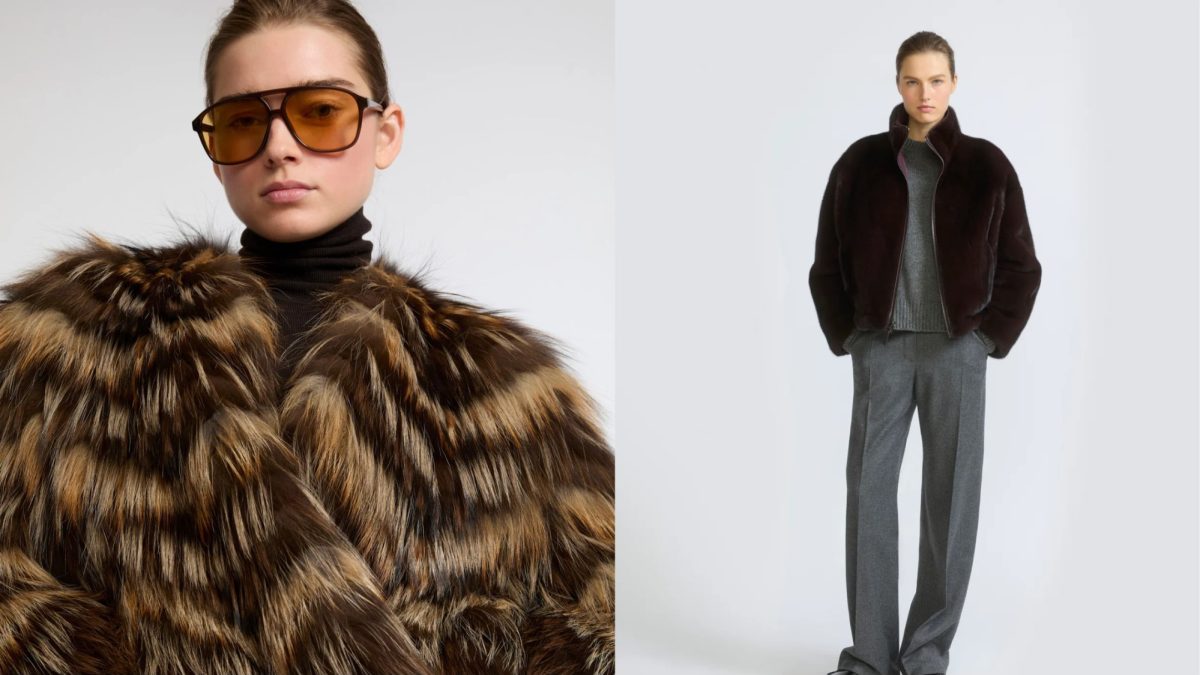
A designer fur coat is often viewed as a statement piece, but its appeal extends beyond appearance. The right garment can provide warmth, structure, and a distinctive silhouette while remaining useful for many winters. What separates a carefully made coat from an ordinary one is usually found in details that are easy to miss at first glance: the density of the material, the precision of the cut, the quality of the lining, and the way the garment moves when worn.
Fashion has changed the way these coats are designed. Many current collections favor lighter construction, cleaner lines, and shapes that can be worn with both formal and casual clothing. A shorter style may work with tailored trousers and boots, while a longer coat can create a more dramatic outline over a simple evening dress.
Material and construction
Material is the first point worth examining. Fur should look even, feel supple, and recover naturally when touched. Uneven texture may indicate wear, poor storage, or inconsistent preparation. The interior deserves equal attention. A well-finished lining should sit flat, seams should be discreet, and closures should feel secure without pulling against the fabric.
Construction also determines comfort. A coat that is too heavy can become difficult to wear for more than a few minutes, regardless of how attractive it appears on a rail. Balanced weight, flexible shoulders, and sleeves that allow movement make a significant difference in daily use. Try raising the arms, turning the body, and sitting down before making a decision.
Finding the right silhouette
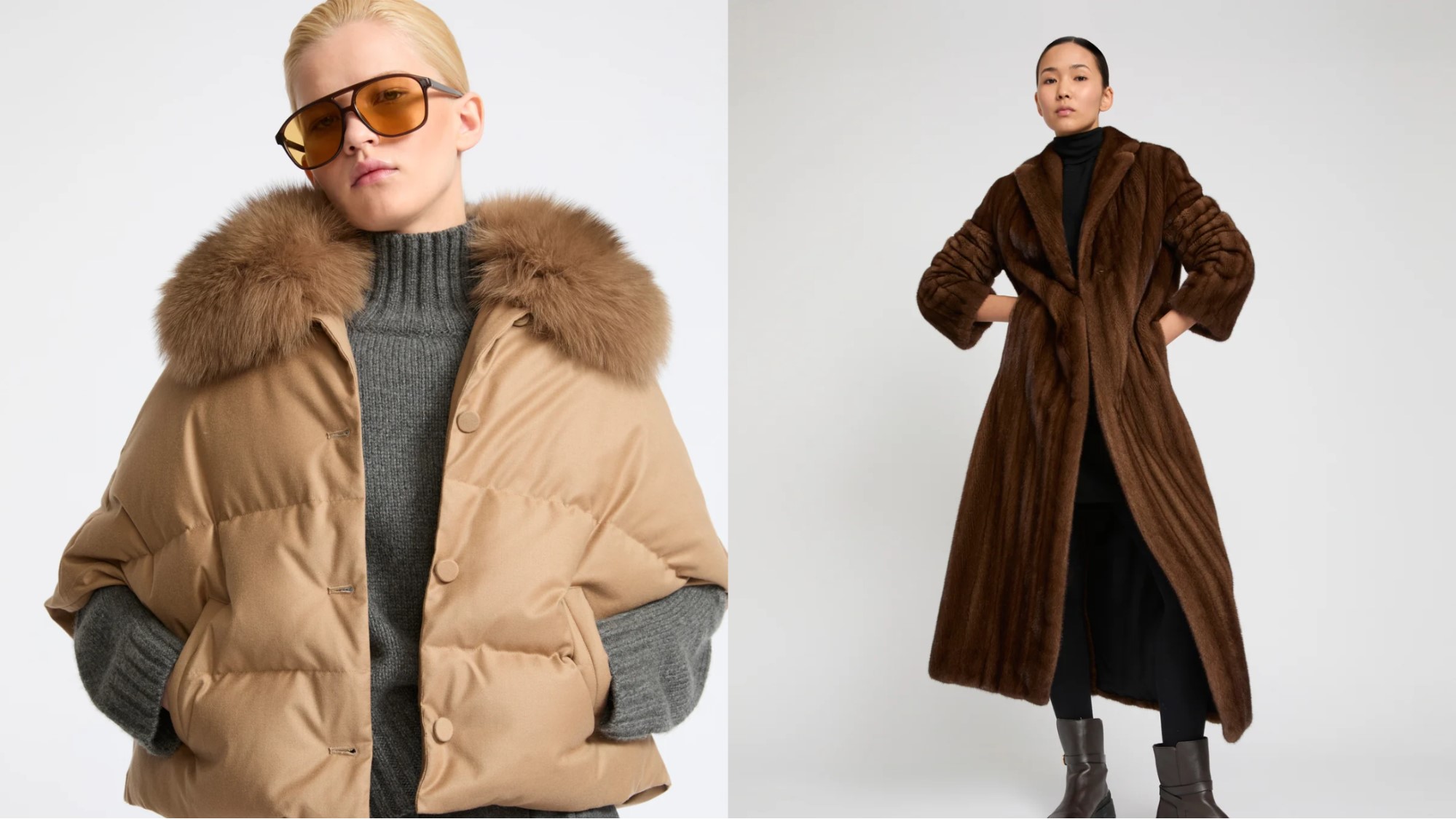
Proportion should guide the choice more than seasonal trends. People with a petite frame may prefer a cropped or mid-length design that keeps the outfit visually light. Taller wearers can often carry longer shapes, wider collars, or more volume without losing balance. This is not a strict rule, but it offers a helpful starting point when several options look appealing.
Color can change the character of the coat just as strongly as its length. Neutral shades tend to integrate easily with an existing wardrobe, while richer tones draw attention to the outer layer. Before choosing, consider the colors already used in coats, shoes, handbags, and knitwear. A garment that works with at least three familiar outfits is likely to earn more wear.
Styling without overcomplicating the outfit
The most effective styling is usually restrained. A full-texture coat already carries visual weight, so smooth fabrics and simple shapes underneath can create a more composed appearance. Fine wool trousers, a plain turtleneck, or a straight skirt can support the outer layer without competing with it.
Accessories should serve a practical purpose as well as an aesthetic one. Leather gloves, understated boots, and a compact bag can reinforce the coat’s structure. Large scarves or heavily embellished jewelry may obscure the neckline and make the whole outfit feel crowded. The question is simple: does each additional piece clarify the look or merely add more detail?
Care begins at home
Storage has a direct effect on longevity. A fur coat needs room to hang on a broad, shaped hanger rather than a thin wire one. Crowding it between other garments can flatten the material and restrict airflow. During warmer months, a breathable garment cover is preferable to plastic, which can trap moisture and encourage deterioration.
Water, heat, and friction are common sources of damage. If the coat becomes damp, let it dry naturally away from radiators, hairdryers, and direct sunlight. Brushing, washing, or applying household products without specialist advice can create permanent changes in texture. Professional cleaning should be arranged through a service familiar with the specific material.
Assessing value before purchase
Price alone does not explain whether a coat represents good value. Look at the quality of finishing, the versatility of the design, and the likely frequency of use. A dramatic piece worn once a year may be less practical than a refined coat that works for commuting, dinners, and formal occasions.
It is also sensible to check measurements rather than relying only on a standard size. Shoulder width, sleeve length, chest allowance, and overall length can vary considerably between cuts. If the coat is intended to be worn over knitwear or tailoring, leave enough room for those layers without choosing a shape that looks oversized.
A considered wardrobe choice
Choosing a designer fur coat is ultimately a matter of matching craftsmanship with personal habits. The most successful purchase is not necessarily the boldest one, but the garment that feels comfortable, suits the wearer’s proportions, and fits naturally into an existing wardrobe.
Take time to inspect the details, test the movement, and imagine the coat across several seasons rather than one occasion. When design, care, and everyday practicality align, the result is an outer layer with a longer life and a clearer place in the wardrobe.