
There is a certain irony to summer. The season most associated with vitality, open skies, and bodies at their most present is also the one that does the most damage to them. Prolonged sun exposure, heat, chlorine, salt water, and the invisible grind of oxidative stress all conspire to accelerate the very signs of aging that so many spend the rest of the year trying to reverse. And yet summer, approached with intention, can be something else entirely: a season of genuine renewal.
The luxury wellness world has quietly shifted its focus here. Rather than treating summer as a cosmetic challenge to survive, the most discerning approach is to use these months as a platform for building the habits that slow aging at the cellular level. Think less SPF panic and more considered ritual: the water you drink, the way you move your body, what you put on your plate, and how deliberately you rest.
The Season That Quietly Accelerates Aging
Summer is the most dehydrating season the body has to face. Heat draws moisture from the skin’s outer layers faster than it can be replenished, and the sun breaks down collagen and elastin through UV-induced oxidative stress. The result is not just a tan that fades; it is cellular damage that accumulates silently, showing up months later as dullness, fine lines, and a complexion that looks tired even when you are not.
Inflammation is the underlying mechanism behind much of this. Intense sun exposure, poor hydration, alcohol-heavy evenings, and disrupted sleep all trigger low-grade inflammatory responses in the body. According to board-certified dermatologist Dr. Nicholas Perricone, who spent decades researching the intersection of diet, inflammation, and skin aging, the cascade can begin with something as routine as a blood sugar spike. “Anything that causes a rapid rise in blood sugar triggers an insulin response,” he has written. “That, in turn, sets off an inflammatory cascade that can last up to three days.” For anyone who has ever woken up after a summer barbecue looking puffier than the night before, this will ring uncomfortably true.
The answer is not abstinence. It is awareness, as well as the willingness to invest in the rituals that counterbalance the season’s toll.

Hydration Upgraded: What Science Is Saying About Hydrogen Water
Drinking more water in summer is the kind of advice that is easy to nod at and harder to actually practice. The more interesting conversation in wellness circles right now centers on the quality of that hydration and its relationship to cellular aging. Hydrogen water, long used in clinical research in Japan and increasingly studied in the West, delivers molecular hydrogen (H2) dissolved in water at therapeutic concentrations. At that scale, hydrogen behaves as a selective antioxidant, neutralizing the most damaging free radicals in the body without disrupting the beneficial ones.
A study involving participants over the age of 70 found that six months of hydrogen-rich water consumption improved grip strength, walking speed, and mental acuity, while lowering inflammatory markers and increasing NAD+ levels, a molecule closely tied to DNA repair and longevity. These are not cosmetic outcomes. They are systemic ones, and they speak to why hydration science has moved well beyond the eight-glasses-a-day standard.
The antioxidant and anti-inflammatory properties of hydrogen water include documented improvements in skin hydration, reduced oxidative stress in skin cells, and support for collagen health. For anyone spending real time outdoors this summer, those benefits translate directly.
Practically speaking, incorporating it is straightforward. Keep cans chilled. Open and drink immediately to preserve hydrogen concentration. Think of it as the morning ritual that replaces nothing but improves everything else alongside it.

The Anti-Aging Case for Swimming
Of all the physical activities one might build a summer around, swimming remains among the most elegantly designed for the aging body. It is low-impact by nature, which means joints are spared the cumulative punishment that running, tennis, and high-intensity training deliver. It works every major muscle group simultaneously. It demands controlled breathing that, over time, can improve lung capacity and cardiovascular function. And it is genuinely enjoyable in a way that motivates consistency, which is, after all, the real currency of any wellness practice.
The documented benefits of swimming for long-term health include improved circulation, lower blood pressure, enhanced cardiovascular health, and meaningful stress reduction. Water pressure supports blood flow in ways that mirror the benefits of compression therapy. The rhythmic, meditative quality of laps in a pool has been shown to reduce cortisol, the stress hormone that, when chronically elevated, is one of the more reliable predictors of accelerated biological aging.
For those who swim competitively or train at any serious level during the summer months, the recovery side of the equation matters just as much as the time spent in the water. Rest, targeted nutrition, and consistent hydration for peak summer performance form the foundation of any sustainable training routine. Sleep in particular is where the body does its most meaningful repair work: collagen synthesis, cellular turnover, and hormonal regulation all depend on adequate, uninterrupted rest. Skimping on sleep during a season that already stresses the body compounds the damage rather than containing it.
The Table as Wellness Practice
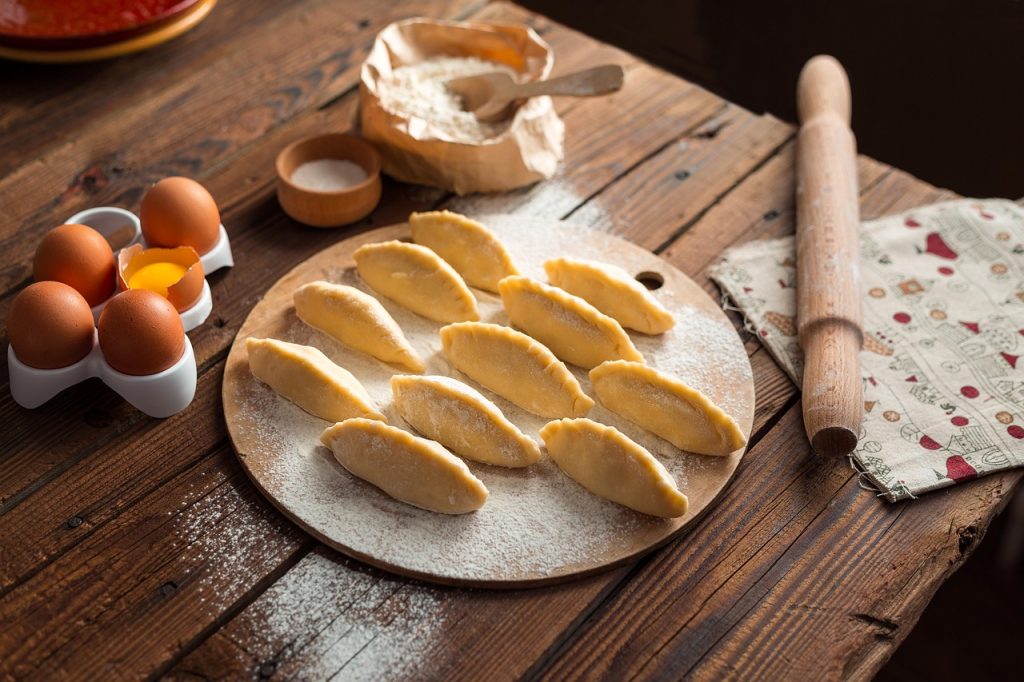
There is no separating what you eat from how you age, and summer’s natural larder happens to be extraordinarily well-suited to an anti-inflammatory approach. Berries, wild-caught fish, leafy greens, stone fruits, cucumber, and fresh herbs are all at their peak, and all carry the antioxidant, omega-rich, and hydrating properties that quiet systemic inflammation.
The luxury dining world has long understood that the finest ingredients are the simplest ones treated well. Consider that the foods most prized by serious gourmands for generations, from wild salmon and truffles to premium olive oil and aged cheeses, are not just expensive for their rarity. Many of them are demonstrably anti-inflammatory, rich in polyphenols, and aligned with what nutritional science has since confirmed. Eating at that standard, whether at home or at the kind of destination restaurants built around exceptional seasonal produce, is one of the more pleasurable ways to invest in longevity.
The Luxury of Living Slowly in a Fast Season
The summer wellness conversation tends to focus on what to add: the supplement, the treatment, the new protocol. What is often underrated is what to protect: time, rest, and the kind of unhurried days that allow the body to actually recover from the season’s demands.
A morning swim followed by time spent hydrating well, a lunch built around clean, seasonal ingredients, and an evening that does not extend too far into the night: this is not a punishing protocol. It is, arguably, the most pleasurable version of aging well that exists. The practices reinforce each other. The water movement reduces inflammation. The hydrogen water supports cellular recovery from the movement. The anti-inflammatory food quiets the oxidative stress that the sun has introduced. The rest ensures that all of it actually registers.
Summer has always been the season that reveals who we actually are: how we live when the structure falls away, what we choose when the options multiply. For those willing to bring a little intention to it, it is also the season with the highest return on investment. The warm months do not have to be something to recover from. They can be, with the right rituals in place, the season that sets the tone for everything that follows.