Are truffles genuinely delicious, or have centuries of wealthy diners, ambitious chefs and clever marketing convinced us that a fungus dug from the ground deserves a luxury price tag?
It’s a fair question. A few delicate shavings of white truffle can transform an ordinary plate of pasta into an expensive culinary event. Yet ask diners what truffles actually taste like, and the answers range from earthy and intoxicating to garlicky, musky and downright strange.
As London’s 2026 autumn truffle season arrives, restaurants are making the case for this unusual delicacy with increasingly inventive menus. At ALBA in Knightsbridge, diners can experience fresh white Alba truffles over pasta, risotto, carpaccio and even vanilla ice cream.
Elsewhere, truffles are appearing alongside Japanese tuna, contemporary Indian cuisine, cocktails and Mediterranean dishes.
So, are truffles worth the excitement? To answer that, we need to examine their history, the science of their aroma, changing consumer tastes and the restaurants redefining how they’re served.
What Exactly Are Truffles, and Why Are They So Expensive?
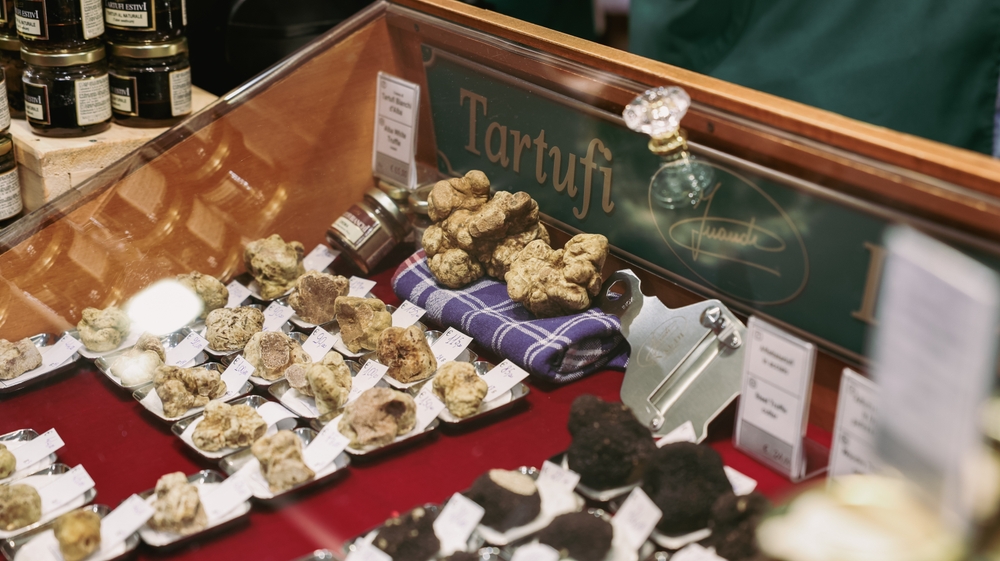
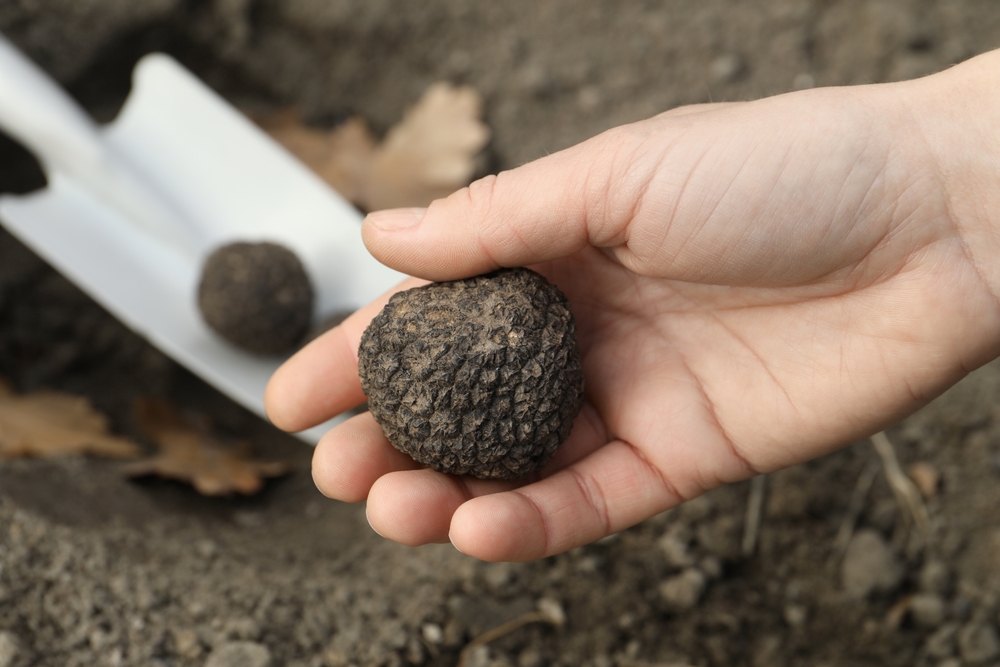
Truffles are underground fungi that grow in association with the roots of certain trees, including oak, hazel and beech. Unlike ordinary mushrooms, they develop beneath the soil and rely on animals to help disperse their spores.
Specially trained dogs locate ripe truffles by detecting their distinctive aroma.
The most celebrated varieties include the Italian white truffle, Tuber magnatum, and the French Périgord black truffle, Tuber melanosporum.
White truffles from Italy’s Piedmont region are especially prized. Their short autumn season, limited supply, fragile nature and remarkable fragrance contribute to their high prices.
Not all truffles are equally rare or expensive. Summer and autumn black truffles can offer more accessible introductions to the ingredient.
The fundamental luxury equation is straightforward: limited availability, distinctive sensory qualities and strong demand.
But price alone doesn’t explain why people have been fascinated by truffles for centuries.
From Ancient Rome to Modern Luxury Restaurants: The History of Truffles
Truffles were prized long before Michelin stars, celebrity chefs or modern tasting menus existed.
Ancient Greek and Roman writers described mysterious underground fungi. Some believed truffles formed through a combination of rain, heat and lightning.
According to the Centro Nazionale Studi Tartufo, ancient civilizations associated truffles with both fine dining and extraordinary natural properties.
By the Renaissance, truffles had become associated with European aristocratic dining. Their reputation grew further during the eighteenth and nineteenth centuries.
French gastronome Jean Anthelme Brillat-Savarin explored their culinary and supposed aphrodisiac qualities in his 1825 book, The Physiology of Taste.
Italy’s Piedmont region remains the spiritual home of white truffle culture. The annual celebration of this prized ingredient is explored in JustLuxe’s guide to the International Alba White Truffle Festival, where regional cuisine, winemaking and centuries of culinary tradition come together.
What is remarkable is how little the basic luxury ritual has changed. Then, as now, diners paid a premium for a rare ingredient whose aroma could elevate an otherwise simple meal.

Are Truffles Actually Delicious? What Science Says About Their Taste
Here is the interesting part: much of what people describe as truffle flavor is actually aroma.
Our perception of flavor combines taste, smell and texture. Truffles are especially dependent on aromatic compounds that reach the nose both before and during eating.
White truffles can produce powerful garlicky, sulfurous and musky impressions. Black Périgord truffles are often described as earthy, nutty and complex.
Scientific research into truffle aroma compounds demonstrates that different truffle species have distinct chemical profiles.
This explains why a diner might love black truffles but find white truffles overwhelming, or vice versa.
Freshness also matters enormously. As truffles age, their volatile aromatic compounds change or dissipate.
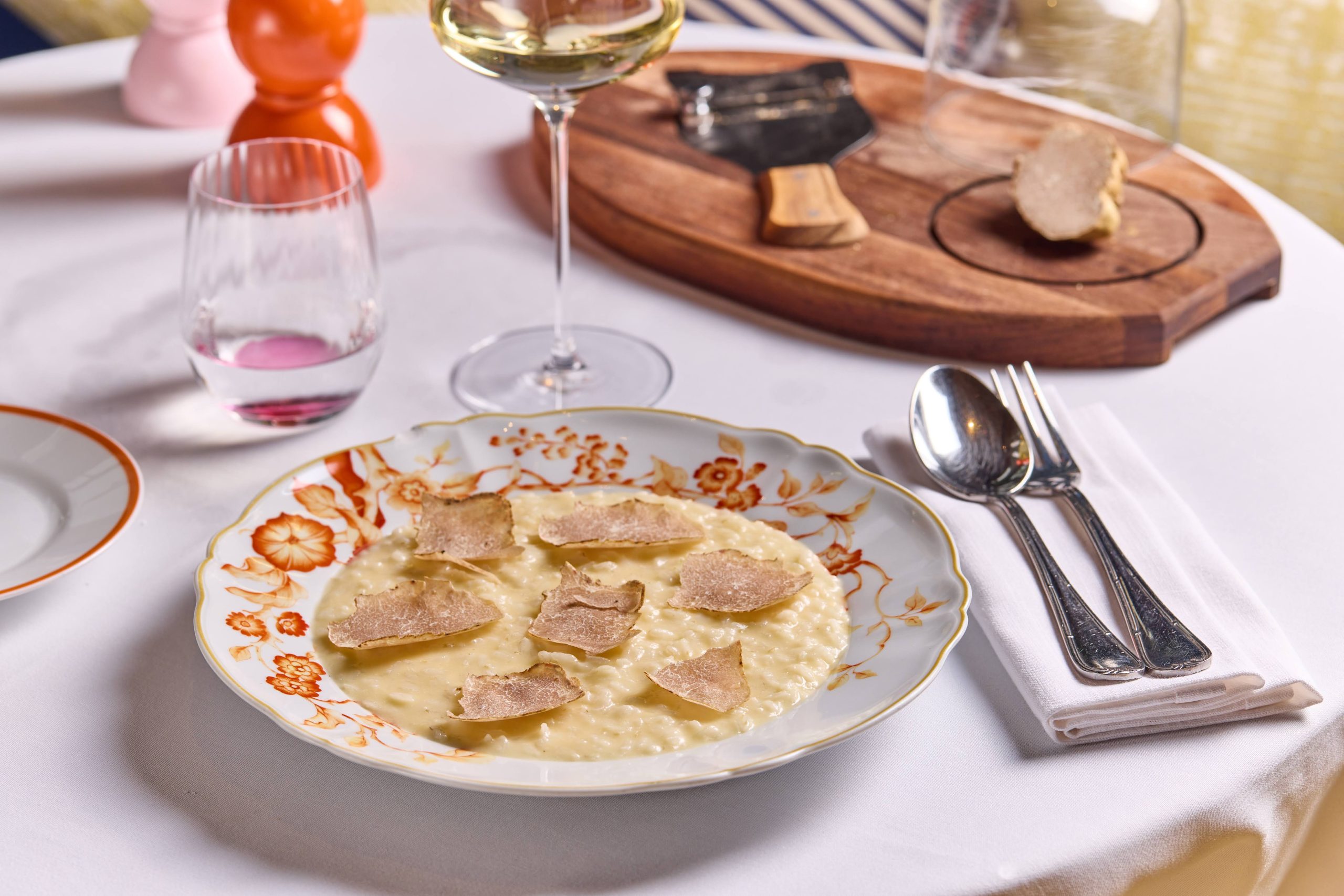
That is why the theatrical moment when a server shaves fresh truffle over warm pasta is more than presentation. The warmth helps release the aroma directly beneath the diner’s nose.
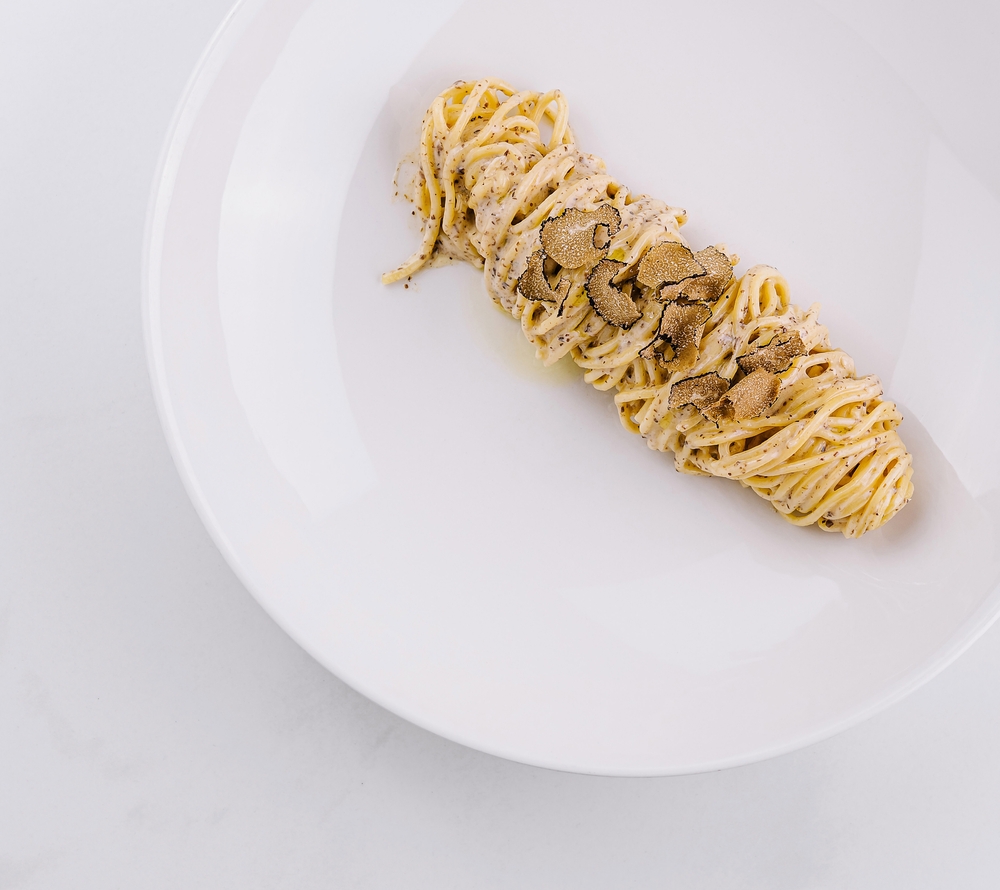
For me, the strongest argument for truffles is not a complicated tasting menu. It’s fresh truffle over perfectly cooked pasta, butter and Parmesan. There is nowhere for a mediocre ingredient to hide.
Do People Really Like Truffles? What Consumer Research Reveals
Despite their reputation, surprisingly little research establishes how many ordinary consumers genuinely enjoy fresh truffles.
Scientific studies have examined truffle aroma, sensory characteristics and consumer preferences. However, research measuring broad consumer satisfaction remains limited.
Small sensory experiments can help researchers understand reactions to truffle aromas and preparations. They cannot reliably establish what percentage of restaurant customers enjoy truffles or consider the price worthwhile.
The distinction matters. Restaurant demand, premium pricing and social-media popularity are not the same as demonstrated consumer satisfaction.
There is also another complication: many consumers have experienced truffle-flavored products without ever tasting a fresh truffle.
The Truffle Oil Problem
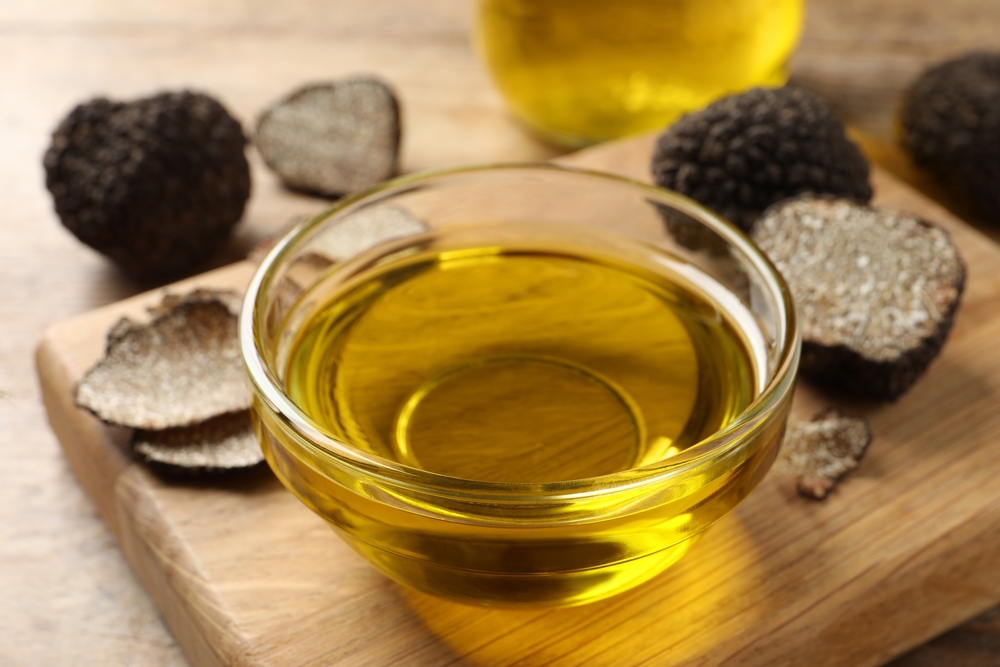
Some commercial truffle oils rely on added flavoring compounds that imitate aspects of natural truffle aroma.
Consequently, someone who dislikes strongly flavored truffle fries may have an entirely different reaction to fresh white truffle shaved over risotto.
The difference between fresh truffles and flavored oils extends beyond food. JustLuxe explores this distinction in It’s Truffle Season; How About a Truffle Martini?, examining how fresh black truffles can transform a premium cocktail through their distinctive aroma.
For restaurants charging premium prices, this distinction deserves more attention.
Customers should know whether they’re buying freshly shaved truffle, preserved truffle or truffle-flavored oil.
Who Cares About Truffles Today Compared With 25 Years Ago?
Twenty-five years ago, around 2001, fresh truffles were already prestigious. But their visibility was concentrated more heavily in fine dining, European gastronomy and specialty food circles.
Today, the truffle experience reaches a much broader audience.
Truffle fries, burgers, pizza, mayonnaise, potato chips and packaged sauces have introduced the flavor profile to casual diners.
Meanwhile, luxury restaurants have moved beyond traditional Italian and French preparations.
Truffles now appear in Japanese dishes, Indian tasting menus, contemporary cocktails and desserts.
Social media has also made the tableside shaving ritual an attractive dining spectacle. Watching a server cover a plate with aromatic shavings is tailor-made for short-form video.
However, there is no reliable, directly comparable consumer survey demonstrating precisely how much truffle enjoyment has increased since 2001.
What we can observe is a clear expansion in the types of menus and dining experiences incorporating truffles.
The audience has broadened from traditional fine-dining enthusiasts to adventurous younger diners, culinary tourists and consumers attracted by premium food experiences.
In luxury dining, the ingredient has evolved from a symbol of exclusivity into an experience customers can choose at several price levels.
Where to Experience London’s 2026 Truffle Season
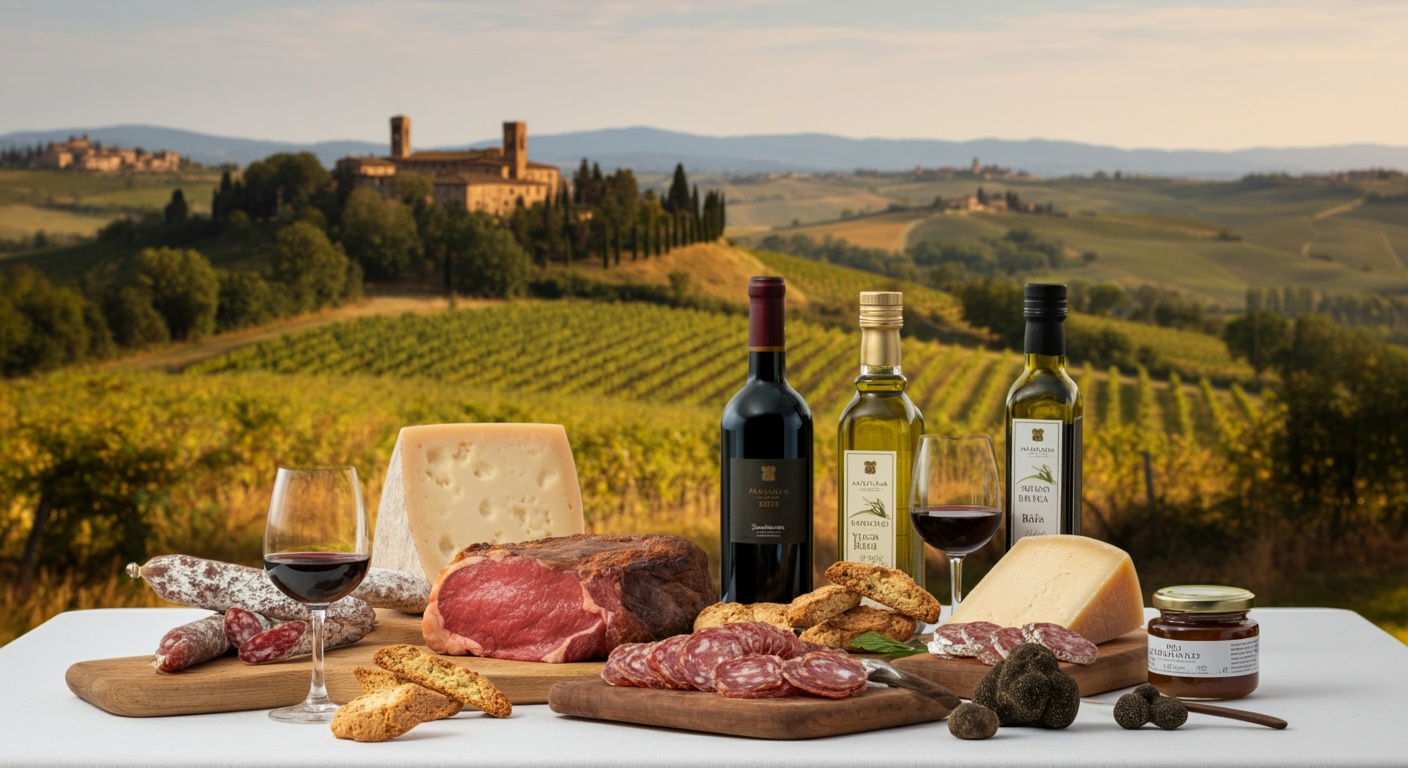
London provides an unusually interesting setting for this culinary evolution. The following restaurants demonstrate how differently chefs can interpret the same ingredient.
ALBA Knightsbridge: White Truffle Meets Italian Comfort and Japanese Influence
ALBA London, opposite Harrods, places the seasonal white truffle at the center of its autumn menu.
The restaurant’s name creates a fitting connection to Alba in Piedmont, the Italian town internationally associated with white truffles.
Guests can choose fresh white Alba truffle or black autumn truffle, shaved over selected dishes.
Options include beef carpaccio, pizza funghi, tuna tartare, creamy risotto, Filetto di Bosco veal cutlet and the restaurant’s signature ALBA Tagliatelle.
There is also white truffle vanilla ice cream.
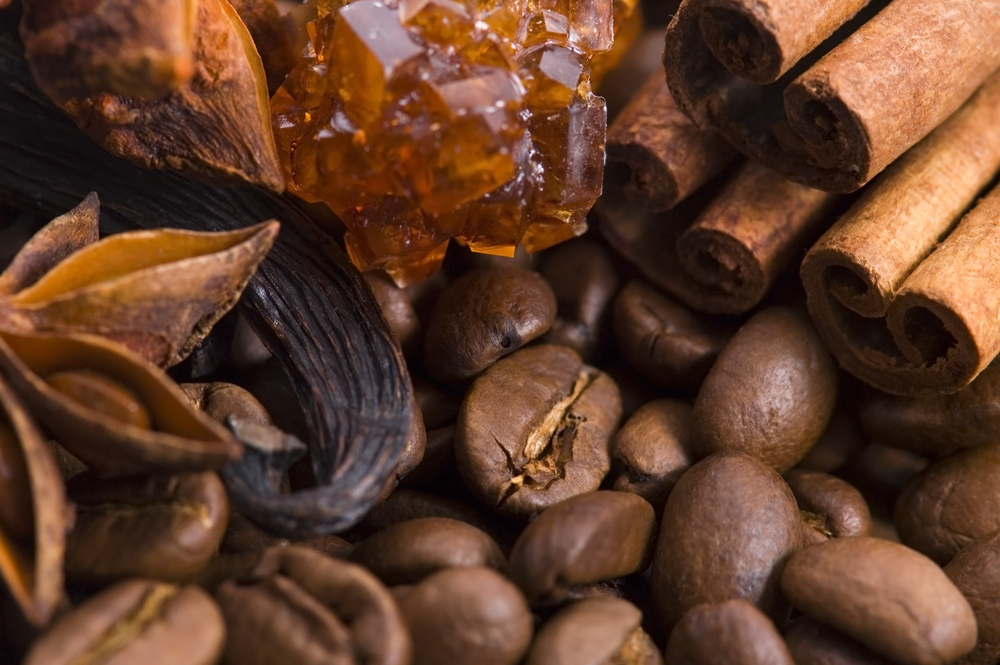
That final dish may be the most intriguing. Vanilla’s gentle sweetness provides an unusual contrast to the truffle’s earthy, pungent aroma.
Would I begin a first truffle experience with ice cream? Probably not. But after experiencing truffles in a traditional pasta dish, dessert offers a fascinating comparison.
Novikov Restaurant & Bar: From Parmesan Risotto to Japanese Tuna
At Novikov Restaurant & Bar in Mayfair, white truffle menus illustrate how far the ingredient has traveled beyond traditional European cooking.
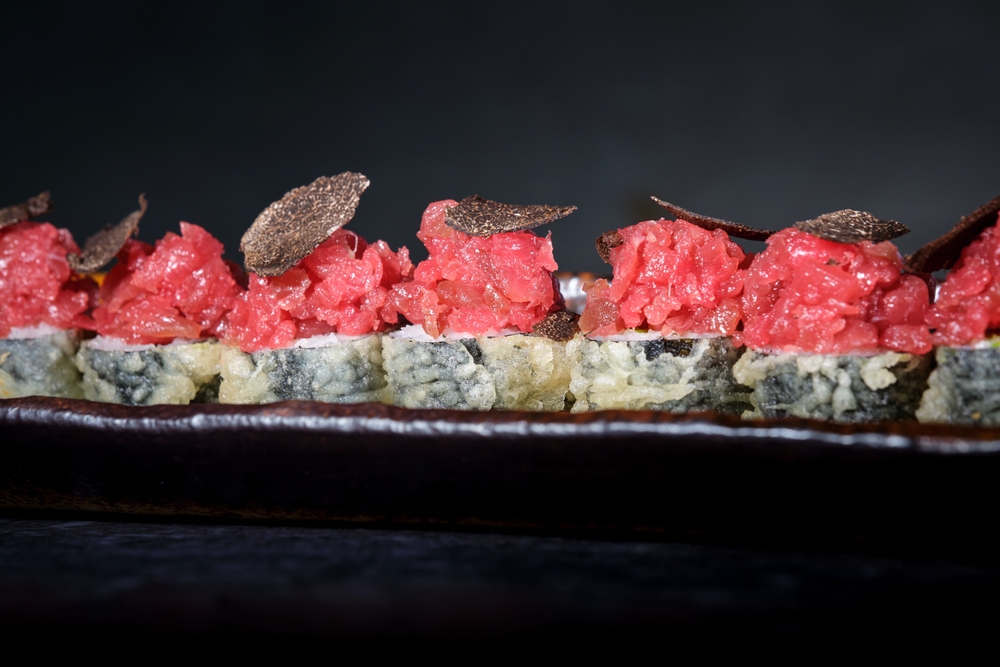
The restaurant has featured white truffle with Parmesan risotto, beef carpaccio and Japanese preparations.
For diners curious about the changing appeal of truffles, Novikov provides a particularly interesting contrast between classic Italian richness and Japanese precision.
Seasonal dishes and availability should be confirmed directly with the restaurant.
Franco’s, Fenix and Trèsind: Three Different Culinary Interpretations
London’s truffle conversation extends into St James’s and Mayfair.
Franco’s in St James’s provides a traditional Italian setting for seasonal truffle dishes.
Fenix Mayfair has explored fresh black truffles within contemporary Greek-Mediterranean cooking.
Meanwhile, Trèsind Mayfair demonstrates how truffles can complement progressive Indian fine dining.
These restaurants were also featured in JustLuxe’s earlier guide, Where to Eat Truffles in London This Autumn.
For diners interested in understanding how different cuisines handle the ingredient, the variety is more valuable than simply ordering the most expensive truffle dish available.
Kitchen W8: A Dedicated Truffle Tasting Experience
Kitchen W8 in Kensington has announced a dedicated truffle menu for November 23 through December 6, 2026.
Its seasonal approach features British autumn truffles and black Périgord truffles in European preparations.
This is an appealing option for anyone who wants to understand how truffles behave across different cooking techniques.
Reservations and the current menu should be confirmed before visiting.
Which Truffle Dishes Are Actually Worth Ordering?
Not every dish benefits equally from truffles.
Simple preparations often provide the clearest opportunity to appreciate their aroma. Rich ingredients such as butter, eggs, cheese and cream can complement the truffle without overpowering it.
For a first experience, I would recommend the following preparations:
- Fresh pasta with butter and Parmesan: An excellent starting point for appreciating white truffle aroma.
- Parmesan risotto: Creamy texture and gentle warmth create a classic pairing.
- Soft eggs: A simple preparation that lets the aroma remain prominent.
- Beef carpaccio: A richer combination that introduces contrasting textures.
- Pizza funghi: Familiar and approachable, although other toppings can compete with the truffle.
- Tuna tartare or nigiri: An interesting modern pairing where restraint becomes important.
- Truffle ice cream: Best for adventurous diners who want to test the ingredient’s versatility.
My preference is to begin with a simple preparation before experimenting with the more theatrical combinations.
After all, if you’re paying a premium for fresh truffle, you should actually be able to smell and taste it.
Are Truffles Worth the Money?
The answer depends on what you’re purchasing.
A modest amount of fresh, aromatic truffle over excellent pasta can create a memorable dining experience.
But paying a substantial supplement for weakly aromatic shavings, or a dish dominated by artificial truffle flavoring, is much harder to justify.
Before ordering, ask which species is being served, whether it is fresh, where it was sourced and how the supplement is calculated.
Restaurants offering truffles by the gram should make the additional cost clear before shaving begins.
Luxury dining is at its best when rarity is matched by quality, hospitality and genuine pleasure.
Truffles can deliver all three. They simply don’t guarantee them.
The Final Verdict: Luxury Ingredient or Expensive Hype?
Truffles have survived centuries of culinary fashion for a reason. Their aroma is unusual, their harvesting is fascinating, and their ability to transform simple dishes can be extraordinary.
But the modern truffle craze also deserves some skepticism.
Between artificially flavored products, social-media theatrics and premium restaurant supplements, it is easy to confuse the image of luxury with the actual pleasure of eating.
London’s current truffle menus offer a useful opportunity to separate the two.
Start with a beautifully prepared classic. Then try something unexpected, perhaps Japanese tuna or even ALBA’s truffle vanilla ice cream.
The real test isn’t whether the ingredient is rare or expensive.
It’s whether you would genuinely want another bite.
Frequently Asked Questions About Truffles
1. Do truffles actually taste good, or are they just an expensive luxury ingredient?
Many diners enjoy fresh truffles for their distinctive earthy, musky and savory aroma. However, taste preferences vary considerably. White truffles offer stronger garlicky and sulfurous notes, while black truffles tend to be earthier and nuttier. Their high price reflects scarcity, harvesting difficulty and demand rather than a guarantee that everyone will enjoy them.
2. Why are white Alba truffles more expensive than black truffles?
White Alba truffles, primarily harvested in Italy’s Piedmont region, have a short autumn season and are difficult to cultivate commercially. Their powerful aroma, limited availability and short shelf life contribute to premium prices. Black truffles include several species, some of which are more widely cultivated and generally less expensive.
3. Are truffles more popular today than they were 25 years ago?
Truffles have become more visible across fine dining, casual restaurants and packaged foods since the early 2000s. Truffle fries, burgers, pizza and flavored oils have introduced the ingredient’s aroma to a broader audience. However, reliable long-term surveys comparing consumer enjoyment over 25 years are limited. Greater visibility does not necessarily mean more people enjoy fresh truffles.
4. Which London restaurants offer interesting truffle menus in autumn 2026?
ALBA Knightsbridge features white Alba and black autumn truffles in dishes such as tagliatelle, risotto, tuna tartare and vanilla ice cream. Novikov offers an Italian-Japanese approach, while Franco’s, Fenix and Trèsind have explored Italian, Mediterranean and Indian interpretations. Kitchen W8 has announced a dedicated late-November truffle experience. Seasonal availability and menus should be confirmed directly.
5. What is the best way to try fresh truffles for the first time?
Fresh white truffle shaved over warm pasta with butter and Parmesan is one of the best introductions. Parmesan risotto and softly cooked eggs are also excellent choices. These simple dishes showcase the truffle’s aroma without overwhelming it. Ask whether the restaurant uses fresh truffles, how much is included and whether an additional per-gram charge applies.
“`