
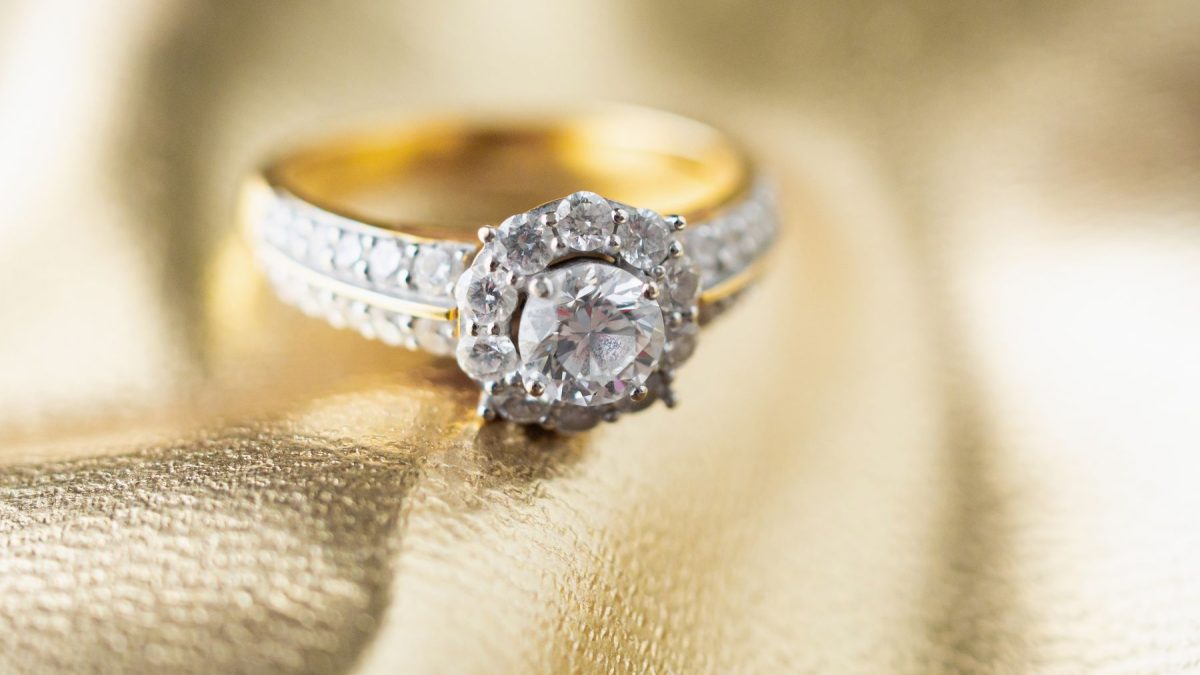
The phrase “custom engagement ring” can make the process sound wonderfully open-ended. Then the choices begin to arrive: stone shape, metal, profile, prongs, side stones, engraving, band width, wedding-band fit. A person who began with one clear image can end up approving a design that contains a little of everything and feels like none of it.
The most useful thing to do before discussing a custom ring is not to collect more inspiration. It is to separate the decisions that belong together from the ones that do not. A ring can be visually striking, comfortable enough for ordinary life and recognizably yours. That only happens when the brief has a point of view.
Start With the View You Will Actually See
Most online images show the face of the ring. That view matters, but it is only one of the views that will matter after the box is gone. The wearer will notice the ring in motion, from the side, next to other jewelry and in daylight that does not flatter every facet.
Pick two images, not twenty. In the first, identify the silhouette you want: an elongated oval, a compact round stone, a sharply cut emerald shape, or something more unusual. In the second, identify the detail that gives the ring its character: a sculptural basket, a plain heavy band, side stones, an engraved edge, or botanical metalwork. If both images are carrying five ideas, reduce them. You cannot make a clear design brief from a visual collage.
When comparing moissanite engagement rings, keep the stone shape fixed for a few minutes. Look only at how the setting changes it. A fine, unadorned band gives an oval a very different presence from a three-stone setting or a wide textured shank. This is a better way to discover your preference than asking whether one complete product photograph is “the one.”
Treat the Side Profile as a Design Decision, Not a Technical Detail
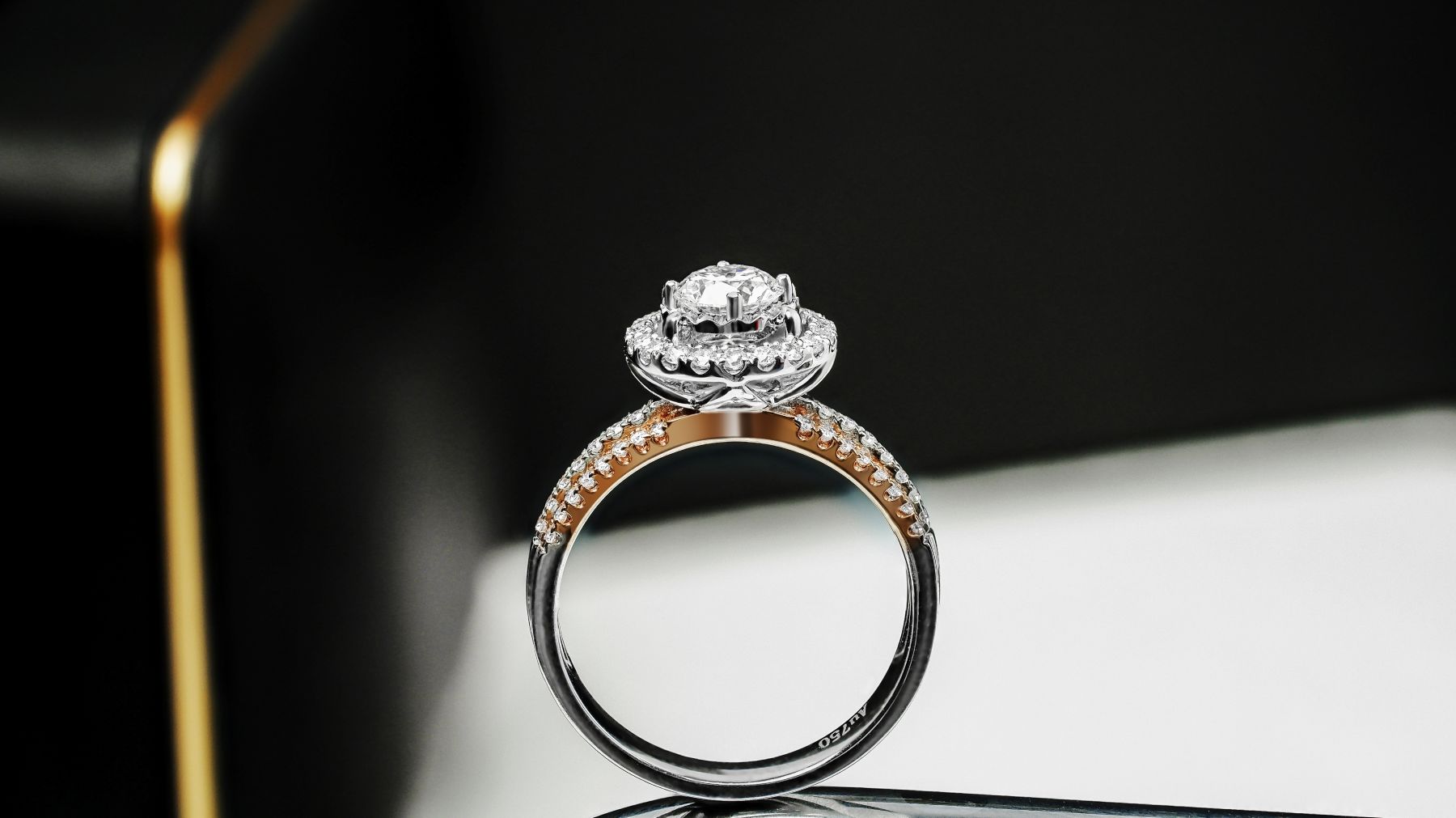
A setting’s side view shows the height of the center stone, the way the metal supports it and the space beneath it. Those choices affect a sweater cuff, a handbag pocket or the wedding band you may add later.
There is no universally correct profile. A higher setting can give a stone presence and allow light into an open design. It can also be more noticeable during hands-on work. A lower profile may suit someone who dislikes catching a ring on fabric, but it may limit how closely a straight band can sit beside it. The useful question is not “Which is more practical?” It is “Which compromise would bother this wearer least?”
Ask to see a side view before treating any design as a finalist. Then ask one plain question: what happens when a straight wedding band is placed beside it? A small gap can look deliberate and beautiful. It becomes disappointing only when the buyer expected a flush fit and never checked.
Make the Meaning Specific Enough to Guide the Design
Personalization is often overdone because people try to turn every part of a ring into a symbol. A ring does not need a hidden message, a birthstone, a leaf motif and an inscription to carry meaning. One choice with a real connection usually lands more strongly.
Write three lines before the consultation: what the ring should feel like, what detail should make it recognizable, and what you do not want. “Quiet but not plain; a low oval with a slightly organic band; no halo and no overly thin shank” is far more useful than “vintage, modern, romantic, unique.” The second list is a mood. The first is a decision.
Let Materials Support the Design Instead of Competing With It
Materials influence appearance, wear and cost, but they should not be chosen as a detached checklist. A warmer metal can make a colorless stone feel softer; a lighter metal can give a crisp, graphic outline. A more substantial band changes the ring’s visual balance.
The same applies to the center stone. A lab-grown diamond is chemically and structurally a diamond, while moissanite is a different gemstone with its own optical character. Neither fact tells you which should be chosen. The choice becomes clearer when you compare the look you enjoy in ordinary lighting, the dimensions you want on the hand and the amount you are prepared to allocate to the center stone versus the setting.
Do not judge scale from a close product image. Ask for measurements in millimeters, and look at a hand shot when one is available. The difference between two similarly described ovals can be large when length and width change. If you can, place a paper outline cut to those measurements on your finger. It is a crude test, but it is more honest than a magnified screen image.
Give the Jeweler a Brief That Can Survive a Real Conversation
Romalar Jewelry’s custom-ring guide starts with style, gemstone, metal and size choices—the practical building blocks a useful brief needs. You can see the available design directions at www.romalarjewelry.com. The point is not to arrive with every answer fixed. It is to know which answers are firm and which ones you want help resolving.
Bring one page, not a phone full of screenshots. Include the chosen silhouette, a preferred profile, metal color, approximate stone measurements or budget range, and your plans for a wedding band. Add a short list of deal-breakers. If a detail is uncertain, write that down too. “I want the side view to be elegant but I do not know whether a cathedral or bezel is right” invites useful expertise; pretending to know when you do not often leads to an avoidable compromise.
Before production, confirm the exact metal, stone dimensions, setting height, band width, ring size and any engraving. Then decide whether the ring still has the one clear idea that made you want it in the first place.