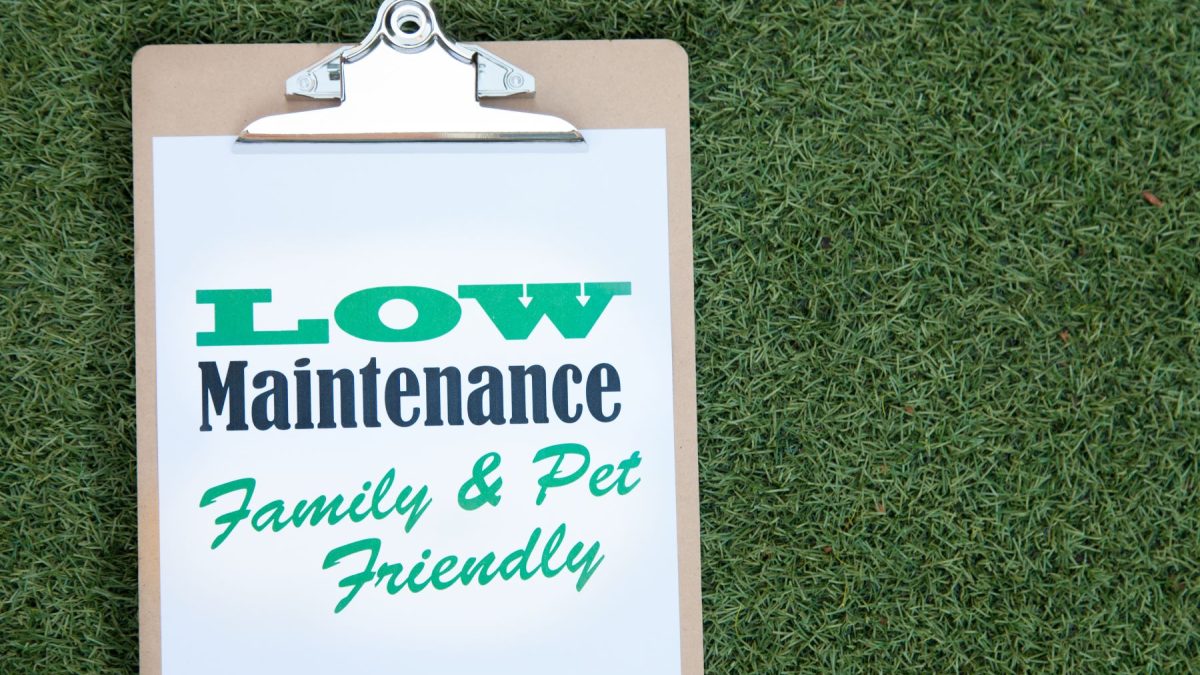
Keeping a green, healthy yard with pets around is harder than most people expect. Between muddy paw prints after every rainstorm and yellow patches from urine, the lawn suffers. Regular mowing, watering, and reseeding rarely keep up with the damage. Synthetic turf has become a go-to solution for pet households that want a clean, attractive outdoor space without the constant upkeep. It holds up against daily wear, stays green through every season, and gives both pets and their owners a better experience outside.
Why Natural Grass Falls Short for Pet Owners
Real grass and pets are a tough combination. The nitrogen in dog urine scorches blades and leaves dead circles scattered across the yard. Digging tears up root systems and creates tripping hazards. Play sessions wear bare paths along fences and near back doors, turning those high-traffic areas into dirt strips.
Homeowners switching to artificial grass for dogs often notice the savings almost immediately. There is no fertilizer to buy, no reseeding schedule to follow, and no risk of chemical treatments harming a pet that rolls in the grass. The surface resists urine staining and holds its shape even under heavy scratching, so the yard looks the same in October as it did in April.
Improved Hygiene and Easy Cleanup
Keeping a pet area sanitary is far simpler on synthetic turf than on a natural lawn. Solid waste stays on the surface instead of sinking into soil, making pickup quick and thorough. Liquids pass through the permeable backing and drain away; a short rinse with a garden hose handles the rest.
Antimicrobial Infill Options
Many pet-focused installations now use infill materials that actively fight bacteria. Zeolite-based products are a popular choice because they neutralize ammonia on contact and cut down on odor, even during hot summer stretches. This layer of protection means the yard smells fresh without repeated deep cleaning.
A Safer Surface for Active Animals
Dogs that sprint, leap, and wrestle need a forgiving surface underneath them. Synthetic turf sits on a padded base layer that absorbs shock from high-energy play. There are no exposed roots, hidden rocks, or uneven patches waiting to cause a sprain or a torn pad.
Reduced Allergen Exposure
Grass allergies are surprisingly common in dogs, causing persistent itching, inflamed skin, and frequent vet visits. Removing organic turf takes pollen and ground-level mold spores out of the equation. Many pet owners report a noticeable drop in allergy-related symptoms once the switch is complete.
Lower Water Usage and Environmental Considerations
The average residential lawn in the United States uses roughly 55 gallons of water per square foot each year. Replacing even a modest section with synthetic turf can shave thousands of gallons off annual consumption, a meaningful difference in regions where drought restrictions limit landscaping options.
Eliminating pesticides and herbicides adds another layer of benefit. Pets that spend hours lying on, rolling in, and chewing grass are no longer exposed to chemical residues during their outdoor time.
Durability That Withstands Heavy Use
Premium synthetic turf products typically carry warranties between eight and fifteen years. The fibers hold their color against prolonged sun exposure and bounce back after repeated compression. Areas near doorways and along fence lines, the spots that turn into mud pits on a natural lawn, stay intact season after season.
Drainage Performance
A proper installation includes a compacted aggregate base with enough slope to direct water away from the surface. Most high-quality products drain at rates above 30 inches per hour, which prevents standing water and the mosquito breeding, soggy conditions, and muddy footprints that come with it.
Cost Comparison Over Time
Installation costs generally land between six and twelve dollars per square foot, which is higher than laying sod. Over time, though, the math shifts. Monthly expenses for mowing, irrigation, weed control, and fertilizers disappear entirely. Most homeowners recoup the initial investment within three to five years. Pet owners who previously spent money on repeated lawn repairs tend to reach that break-even point sooner.
Conclusion
Synthetic turf solves the most persistent headaches pet owners face with traditional yards. It creates a clean, resilient surface that stays green through rain, heat, and heavy daily use. Pets benefit from a safer, allergen-reduced play area, while households save water and eliminate chemical treatments. For families that want an outdoor space built to handle active animals without sacrificing curb appeal or free weekends, this upgrade delivers real, lasting value on every front.