Turkey rarely leaves first-time visitors indifferent. The country blends imperial history, dramatic landscapes, rich cuisine, and warm hospitality into one unforgettable journey. Yet one question appears again and again during the planning stage: Should you visit Istanbul or Cappadocia first?
The truth is, they couldn’t be more different. Istanbul is a vibrant metropolis where centuries-old landmarks stand beside trendy neighborhoods and waterfront cafés. Cappadocia, meanwhile, feels almost surreal with its fairy chimneys, cave hotels, and sunrise skies filled with hot air balloons.
If you want to experience both sides of the country without organizing every transfer yourself, professionally planned Turkey Tours often combine Istanbul and Cappadocia into one seamless itinerary, allowing you to experience Turkey’s cultural heritage and extraordinary landscapes in a single journey.
So, which destination deserves your attention first? The answer depends entirely on the kind of experience you’re hoping to bring home.
Istanbul and Cappadocia at a Glance
Istanbul: Where Continents and Civilizations Meet
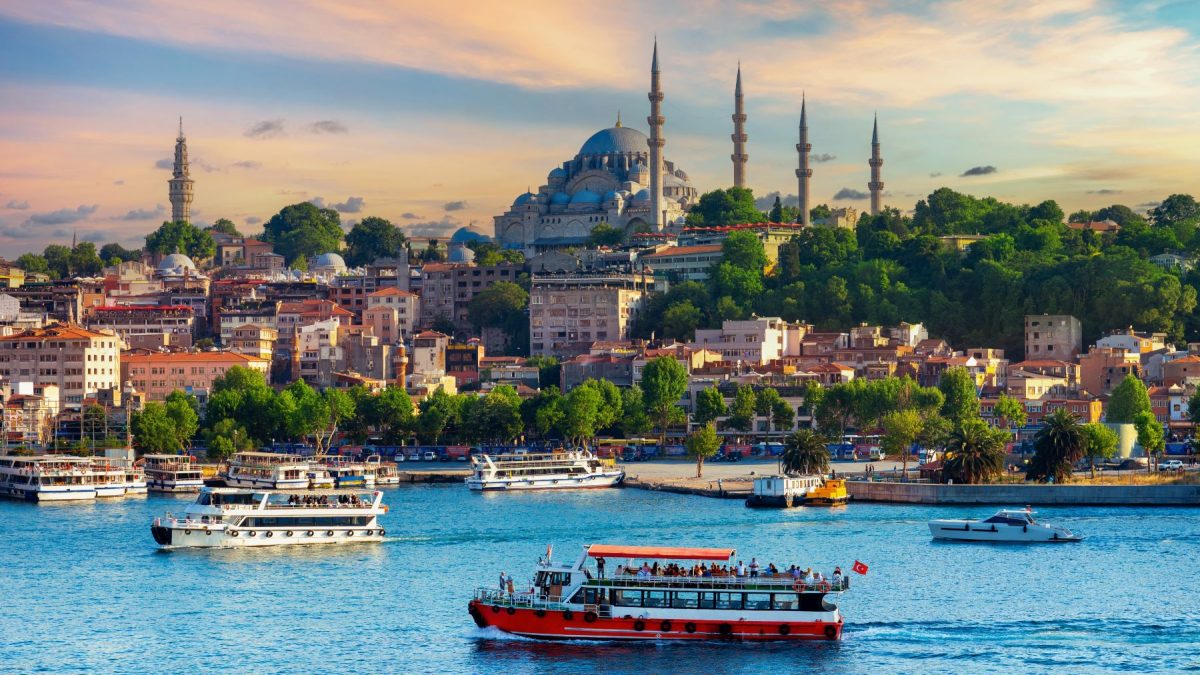
Few cities in the world carry the historical weight of Istanbul. Once known as Byzantium and Constantinople, it served as the capital of both the Byzantine and Ottoman Empires. Today, it’s Turkey’s largest city and its cultural heartbeat.
One morning might begin inside Hagia Sophia, continue through the colorful lanes of the Grand Bazaar, and end with a sunset cruise along the Bosphorus Strait.
That contrast is exactly what makes Istanbul unforgettable.
History isn’t confined to museums here. It lives in neighborhood streets, bustling markets, waterfront districts, and centuries-old mosques that still shape daily life.
For travelers who enjoy architecture, local food, shopping, and city energy, Istanbul delivers an experience that’s difficult to match.
Cappadocia: Turkey’s Most Dreamlike Landscape
Cappadocia offers something entirely different.
Instead of skylines, you’ll find volcanic valleys sculpted over millions of years into towering rock formations known as fairy chimneys. Ancient communities carved homes, churches, and even underground cities directly into the soft volcanic stone, creating landscapes unlike anywhere else on Earth.
The region is centered around towns such as Göreme, Uçhisar, and Ürgüp, each offering easy access to hiking trails, panoramic viewpoints, and boutique cave hotels.
Then comes sunrise.
Hundreds of colorful balloons slowly rise over Göreme National Park, creating one of the world’s most recognizable travel scenes. It’s spectacular, but it’s also worth remembering that balloon flights depend on weather conditions. Wind can ground every balloon without warning, making flexible itineraries a smart choice.
If you’re trying to fit both into a single itinerary, choosing the right route matters. Many travelers simplify the process by booking a Turkey vacation package, allowing them to experience both destinations without juggling domestic flights, hotel reservations, and sightseeing schedules on their own.
Best for History and Cultural Landmarks
Istanbul Offers Centuries of Living History
If your idea of travel revolves around exploring civilizations, Istanbul easily takes the lead.
The city showcases remarkable landmarks from multiple eras, including Hagia Sophia, the Blue Mosque, Topkapi Palace, the Basilica Cistern, and Dolmabahçe Palace. Many of these attractions sit within walking distance of one another in the historic Sultanahmet district.
Beyond the famous monuments, Istanbul rewards curious travelers with hidden courtyards, neighborhood bakeries, Ottoman fountains, and local museums that rarely appear on standard itineraries.
It’s a city that encourages wandering.
Cappadocia Reveals Ancient Life Underground
Cappadocia’s history feels quieter but equally fascinating.
Instead of grand palaces, you’ll discover underground cities like Derinkuyu and Kaymaklı, where thousands once sheltered beneath the earth. The Göreme Open-Air Museum, a UNESCO World Heritage Site, preserves rock-cut churches decorated with centuries-old frescoes that offer a glimpse into early Christian history.
The experience feels more intimate than monumental.
Rather than observing history from behind museum glass, you’re walking through spaces where people actually lived, worshipped, and survived.
For travelers interested in archaeology, religious heritage, and ancient engineering, Cappadocia offers an entirely different perspective on Turkey’s remarkable past.