

Paris is more than a place to study. For international students, the address they choose shapes how easily they reach their university, how naturally cafés, galleries and parks fit into the working week, and how much time remains for the administrative side of moving to a new country. Anyone looking for a higher standard of accommodation would do well to define their daily routine first, and only then compare furnishings, locations and contract terms.
This guide sets out the criteria that matter most when choosing a furnished student apartment in the French capital, from neighbourhood and privacy to the small print behind an all-inclusive promise.
Start with the daily journey, not the postcode
Paris is a city of distinct neighbourhoods, and the right one depends less on prestige than on where the week is actually spent. A student at Sorbonne University, for instance, will often gravitate towards the Latin Quarter, where libraries, bookshops and lecture halls sit close together. Those enrolled at Sciences Po may find Saint-Germain-des-Prés a natural fit, with its concentration of political institutes and publishing houses. Students at the Institut Polytechnique de Paris or one of the other grandes écoles may prioritise reliable transport connections over a famous address.
Further east, Le Marais and the 11th arrondissement offer a livelier, more residential rhythm, with markets, smaller galleries and a strong café culture, while areas around Place de la Nation provide practical access to several metro lines without the intensity of the tourist centre.
The useful question is not which arrondissement sounds most impressive, but which one makes the daily journey to seminars, the library and home feel effortless. Mapping a typical week, including evening commitments and weekend habits, usually narrows the field more effectively than any ranking of fashionable districts.
Decide what kind of privacy suits the stay
Furnished student apartments in Paris generally fall into three broad categories, and the differences are worth understanding before any enquiry is made.
A studio combines living, sleeping and cooking in one self-contained space, with a private bathroom. It suits students who value independence and quiet, and who are happy to study, cook and rest within a compact footprint.
A one-bedroom apartment separates the sleeping area from the living space, which many students find better for longer stays. Having a distinct room to close off at the end of the day can make a noticeable difference to concentration and rest, particularly during examination periods.
A multi-bedroom apartment works for students arriving together, whether siblings, friends or colleagues on the same programme. Each resident typically keeps a private bedroom while sharing the kitchen and living areas, which balances privacy with a degree of company.
These apartment types commonly offer private kitchens and bathrooms, although facilities vary by residence. For students moving abroad for the first time, arriving to a furnished space also removes the considerable task of sourcing furniture, cookware and appliances in an unfamiliar city.
Read the all-inclusive promise carefully
The phrase all-inclusive appears frequently in student accommodation, but its meaning varies between providers. It is worth establishing precisely what a given rent covers before making any commitment.
Some furnished-apartment providers include utility bills, Wi-Fi and weekly housekeeping; inclusions vary by provider. Hotel-style amenities are a separate matter. A 24-hour reception, a gym, a pool or a concierge service depend on the individual building rather than the apartment itself, and should never be assumed without confirmation. Purpose-built student residences, illustrated by listings such as this residence in Levallois-Perret or this residence in the 20th arrondissement, may offer shared facilities and furnished studios, which is a different proposition from a serviced private apartment.
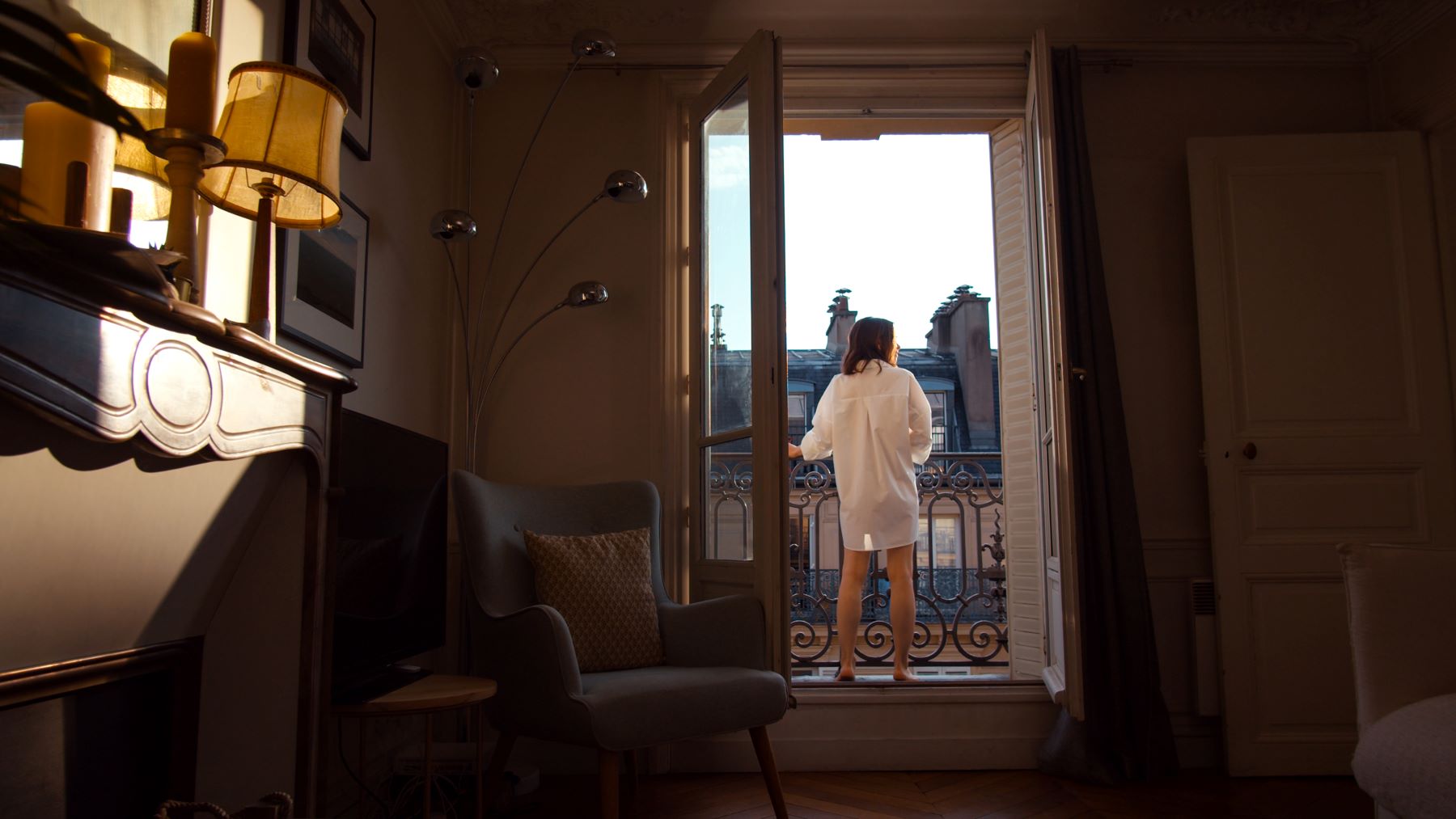
One example of this approach is Student Luxe, a family-run curating agent that selects and books serviced apartments in buildings operated by others, rather than owning or managing properties itself. Its portfolio of student apartments in Paris illustrates how the model works in practice: fully furnished private apartments with bills, Wi-Fi and weekly housekeeping included, and building amenities that vary from one residence to the next.
Whether a student enquires with this agent or any other provider, the same discipline applies. Ask for a written breakdown of what the rate includes, and treat every additional facility as building-specific until confirmed otherwise.
Match the contract to the academic calendar
Not every stay in Paris follows the same shape. An exchange semester, a language course, a summer school and a full degree programme each call for a different arrangement, and flexibility of duration is one of the clearest dividing lines between accommodation types.
Conventional Paris rentals often assume longer, more formal commitments, which can sit awkwardly with a stay of a few months. Some serviced-apartment providers offer shorter or more adaptable terms, depending on the residence. According to its own published information, Student Luxe accommodates stays ranging from a few weeks through to a full academic year, and states that no UK guarantor is required for its bookings. These are provider-specific conditions rather than general market rules, but they indicate the kind of flexibility that international students should verify with whichever provider they approach.
The practical step is simple: before comparing apartments, settle the intended arrival and departure dates, including any uncertainty around examinations, internships or visa timelines, and check that the contract can accommodate them.
What an international booking process should clarify
Arranging accommodation from another country introduces questions that a local renter rarely faces. A thorough booking process should resolve the following points before any payment is made:
- The exact apartment type, floor area and floor level, with recent photographs of the actual unit rather than a show apartment.
- A written list of what the rate includes, covering utilities, Wi-Fi, housekeeping and any building charges.
- Which amenities the specific building offers, such as reception, gym or concierge, and whether any carry extra fees.
- The permitted length of stay, the conditions for extending or shortening it, and how dates are confirmed.
- Payment terms, deposit arrangements and cancellation conditions, set out in writing.
- How availability is confirmed, and who the named contact is for questions before and during the stay.
That final point deserves emphasis. For a decision of this importance, many students and parents prefer a human enquiry process over an automated booking flow, since a real conversation tends to surface details that a listing page cannot. A provider that answers specific questions promptly and precisely gives students clearer information for their decision than generic assurances alone.
A more considered way to choose
Choosing a student apartment in Paris rewards a particular order of thinking. Begin with the university and the daily journey, and let the neighbourhood follow from the routine rather than from reputation. Then decide how much privacy the stay requires, whether that means a studio, a one-bedroom apartment or a shared multi-bedroom arrangement. Read every all-inclusive claim closely, separating what the rate covers from what merely depends on the building. Match the contract to the academic calendar, and resolve the practical questions of payment, availability and contact before committing.
Approached this way, the search becomes considerably clearer. Paris offers an exceptional setting for study, and the right apartment is the one that lets a student make the most of it: close to the lecture hall, comfortable enough to feel like home, and flexible enough to fit the shape of the course.