Washington, DC isn’t usually the first city that comes to mind when people think about climate resilience, community lifestyle, and urban innovation—but by 2026, that’s changing quickly. More than just its federal framework, DC is now emerging as one of the top climate haven cities in the Mid-Atlantic—thanks in large part to its thriving and increasingly popular micro-neighborhoods.
What Is a Micro-Neighborhood?
Micro-neighborhoods, sometimes called “15-minute cities,” are compact communities where residents can meet most of their daily needs—work, groceries, schools, and leisure—within a 15-minute walk or bike ride. It’s not just a logistical improvement. For many Millennials and Gen Z movers, it’s a lifestyle upgrade that supports work-life balance and sustainability. That explains the rising popularity of urban village living in Washington, DC.
A Vibe Check on DC’s Top Micro-Neighborhoods
In 2026, three DC neighborhoods set the gold standard for walkable urbanism: The Wharf, Union Market, and The Parks at Walter Reed. Each offers a distinctive atmosphere while maintaining the mission of convenience, safety, and connectedness.
- The Wharf: A reinvention of DC’s Southwest Waterfront, The Wharf offers luxury apartments, offices, restaurants, live music venues, and even dock space—all within four blocks of each other. Walkability aside, its flood-resilient infrastructure boosts its reputation as a climate-smart neighborhood.
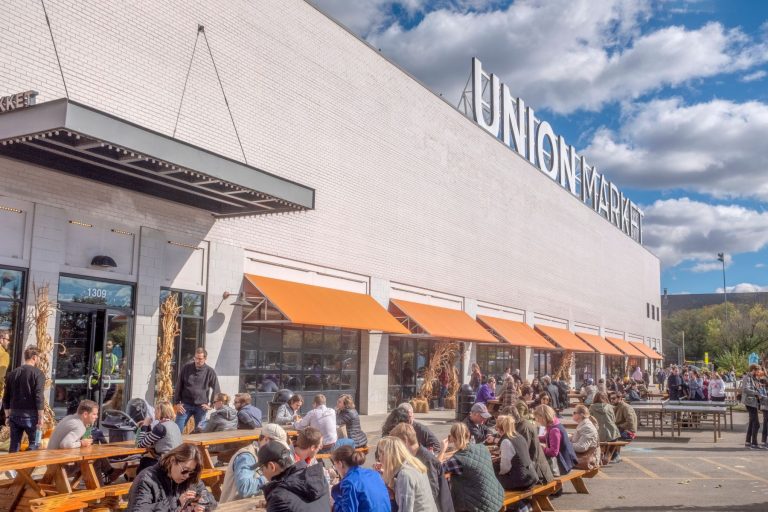
- Union Market: Once industrial, now cultural. Union Market blends food hall vibes with weekend pop-ups, rooftop experiences, and residences for people seeking a dynamic lifestyle. It epitomizes millennial-friendly neighborhoods in DC.
- The Parks at Walter Reed: Formerly a military hospital site, this mixed-use campus now includes independent bookstores, co-working spaces, local cafés, and green spaces. Great for families and young professionals alike who prioritize nature access in an urban setting.
Why DC Hits the Climate Haven Checklist
As climate conditions worsen in coastal and southern regions, DC’s relative geographic safety makes it a practical choice. It’s inland enough to avoid ocean-level flooding threats, yet connected by rail and road to the rest of the East Coast. Combined with growing infrastructure investment, local urban forestry programs, and transit accessibility, DC is fast becoming one of the more attractive climate haven cities in the Mid-Atlantic.
Millennials, Gen Z, and the Search for Urban Villages
Younger generations are no longer seeking the sprawling suburbs of their parents. They’re prioritizing experience over square footage—and they want community, diversity, and mobility. Moving to DC’s 15-minute city communities brings a smarter, more connected lifestyle that trades traffic for livable density. From co-working near a park to grocery shopping in historic market halls, it’s the kind of life that actively supports convenience and climate resilience.
Planning Your Move Smartly
Transitioning into a high-density DC micro-neighborhood in 2026 often involves strict loading dock schedules and elevator reservations. Working with seasoned DC movers ensures you stay compliant with building management rules and reduce the headache of navigating tight urban spaces.
Final Thought: DC’s Future Is Local
DC’s future lies in its micro-scale: smaller travel zones, tighter communities, and smarter urban planning responsive to the challenges of our time. If you’re looking for a place that fuses climate integrity with modern urban life, Washington, DC’s micro-neighborhoods stand out in 2026 as a safe, smart, and stylish bet.