
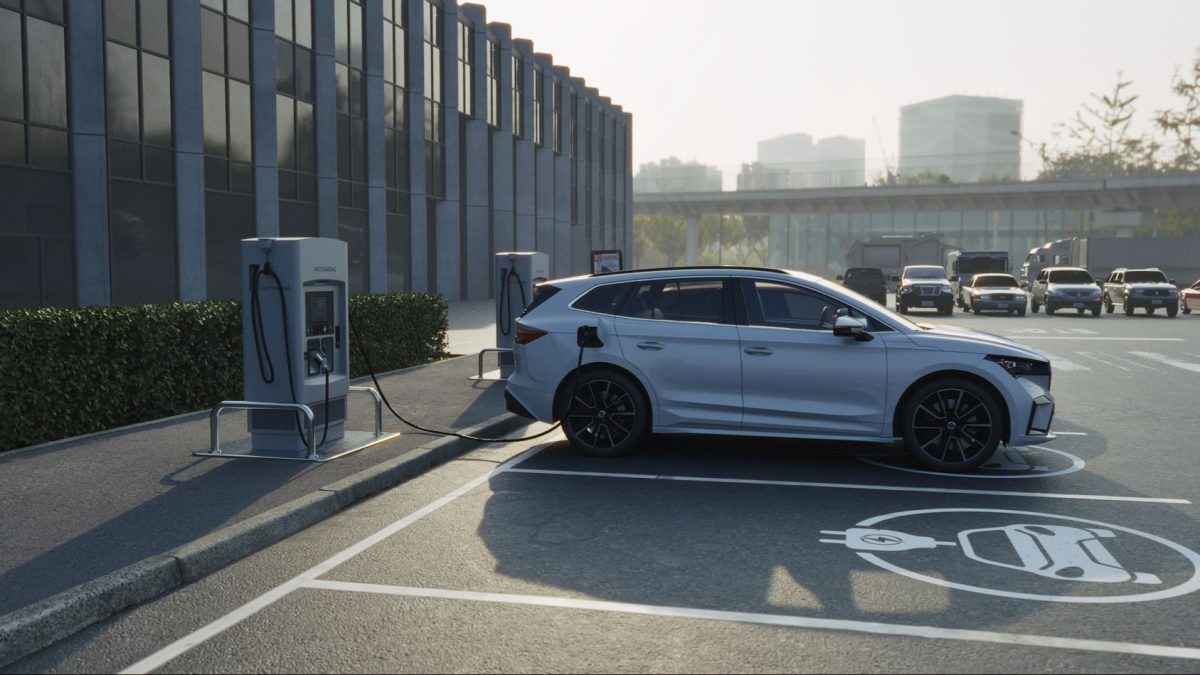
Electric cars have rapidly grown in popularity due to their environmental benefits, cost savings, and advanced technology. However, even though they require less maintenance compared to traditional gasoline vehicles, it is still crucial to ensure that electric vehicles (EVs) are well cared for. Proper maintenance is essential to preserve their longevity, performance, and ultimately, your investment. In this article, we’ll discuss some exclusive maintenance tips for electric cars, including the importance of battery care, tire maintenance, software updates, cooling systems, and even the role of EV insurance.
1. Prioritize Battery Care to Maximize Lifespan
The battery is undoubtedly the most important part of an electric vehicle. Not only does it supply power to the motor, but it is also the most expensive component to replace. Maintaining the battery properly can extend its lifespan, improve performance, and save you money in the long run.
One of the most common mistakes made by EV owners is charging the battery improperly. For maximum battery health, it is recommended to charge the battery to about 80% rather than 100%. This avoids unnecessary strain and helps preserve the battery’s capacity over time. Also, avoid letting the battery deplete to 0% regularly, as this can shorten its lifespan.
Temperature also plays a significant role in battery health. Extreme cold or heat can have a detrimental effect on the battery. Whenever possible, park your EV in a temperature-controlled space to prevent overheating or freezing. In colder months, ensure that your car is fully charged and ready to go when you need it, as low temperatures can reduce range and overall battery performance.
By staying on top of battery care, you will ensure that your EV remains efficient for years to come.
2. Regularly Monitor Tire Pressure and Wear
Tires on an electric vehicle are often exposed to more wear than those on traditional vehicles due to the added weight of the battery. Over time, this weight can cause uneven tire wear, which can negatively affect the range and handling of your EV.
To avoid this, regularly check tire pressure. Low tire pressure can reduce the range of your electric vehicle and cause your tires to wear faster. It can also compromise safety. Aim to check tire pressure at least once a month, or before long trips, and adjust as needed. Keep in mind that cold weather can lower tire pressure, so it’s important to check frequently during the winter months.
In addition to checking pressure, make sure you rotate your tires every 6,000 to 8,000 miles, as recommended by most EV manufacturers. Tire rotation helps distribute the wear evenly and prolongs tire life, ensuring that your EV continues to perform well.
Investing in tires designed specifically for electric vehicles can also help. These tires are built to handle the extra weight of the battery, providing better efficiency and longer lifespan.
3. Keep Software Updated for Optimal Performance
Unlike traditional vehicles, electric cars rely heavily on software for a variety of functions. These include battery management, regenerative braking, motor performance, and even safety features. As technology evolves, software updates are critical to ensuring your car operates efficiently and safely.
Many EVs are equipped with over-the-air software updates, meaning the vehicle’s software can be updated remotely without the need to visit a service center. It’s essential to stay on top of these updates, as they often contain bug fixes, performance improvements, and even new features that could improve your driving experience.
If your car does not offer automatic updates, you should manually check for updates on a regular basis. Keeping your car’s software current ensures that your vehicle operates smoothly and performs at its best. Whether it’s a simple bug fix or a significant update that enhances the vehicle’s range or handling, these updates are crucial for optimal performance.
4. Maintain the Cooling System to Protect Key Components
Many electric vehicles use liquid cooling systems to keep the battery and powertrain within an optimal temperature range. These cooling systems are essential for preventing overheating and ensuring your car performs at its peak. Failing to maintain the cooling system could result in serious damage to the battery or other electrical components, which can be expensive to repair.
It’s important to check the coolant levels periodically and to inspect for any leaks. If the coolant is low or the system is not functioning correctly, it can lead to overheating, which may damage key components. Some EVs recommend changing the coolant every 4 to 5 years, while others have different schedules depending on usage and driving conditions.
By keeping the cooling system in top shape, you help avoid costly repairs and ensure that the battery remains in a safe temperature range, maximizing its life and performance.
5. Understand the Importance of Electric Vehicle Insurance
When owning an electric vehicle, it’s important not to overlook your insurance needs. Unlike traditional vehicles, electric cars can be more expensive to repair, especially when it comes to their specialized components like the battery, powertrain, and advanced technology. As such, having the right EV insurance coverage is crucial to protect your investment.
EV insurance typically includes coverage for the battery and charging equipment, both of which are costly to replace. It’s important to ensure that your policy covers these specialized components, as well as other features specific to electric vehicles, such as regenerative braking systems and electric motors.
In addition, be aware that some insurance providers offer discounts for EV owners due to their lower likelihood of being involved in accidents, thanks to the advanced safety features in many electric vehicles. It’s a good idea to review your policy periodically to make sure it reflects any upgrades or modifications made to your vehicle. Ensuring that you have comprehensive coverage will give you peace of mind and protect you in the event of an accident, theft, or system malfunction.
6. Keep the Exterior and Interior in Top Shape
Maintaining the exterior and interior of your electric vehicle not only keeps it looking good but also protects its resale value. A well-maintained vehicle is more likely to retain its value over time, and regular cleaning ensures that the car remains in pristine condition.
Washing your EV regularly will help remove dirt, salt, and other debris that can damage the paint over time. This is especially important in areas with harsh weather conditions, where salt from roads in the winter months can corrode the exterior of the car.
On the interior, clean the seats, dashboard, and other surfaces regularly. The cabin of your electric vehicle can accumulate dust, dirt, and moisture, so using the right cleaning products will ensure the materials inside remain in good condition for years.
Conclusion
Electric vehicles offer many benefits, including reduced maintenance requirements compared to traditional cars. However, regular upkeep is still necessary to keep them running smoothly and protect your investment. By focusing on battery care, tire maintenance, software updates, cooling systems, and ensuring proper EV insurance coverage, you can maximize the lifespan and performance of your electric car.
Proper care not only ensures your vehicle performs at its best but also helps maintain its value over time. With the right maintenance habits, your electric car will provide years of efficient and enjoyable driving.