
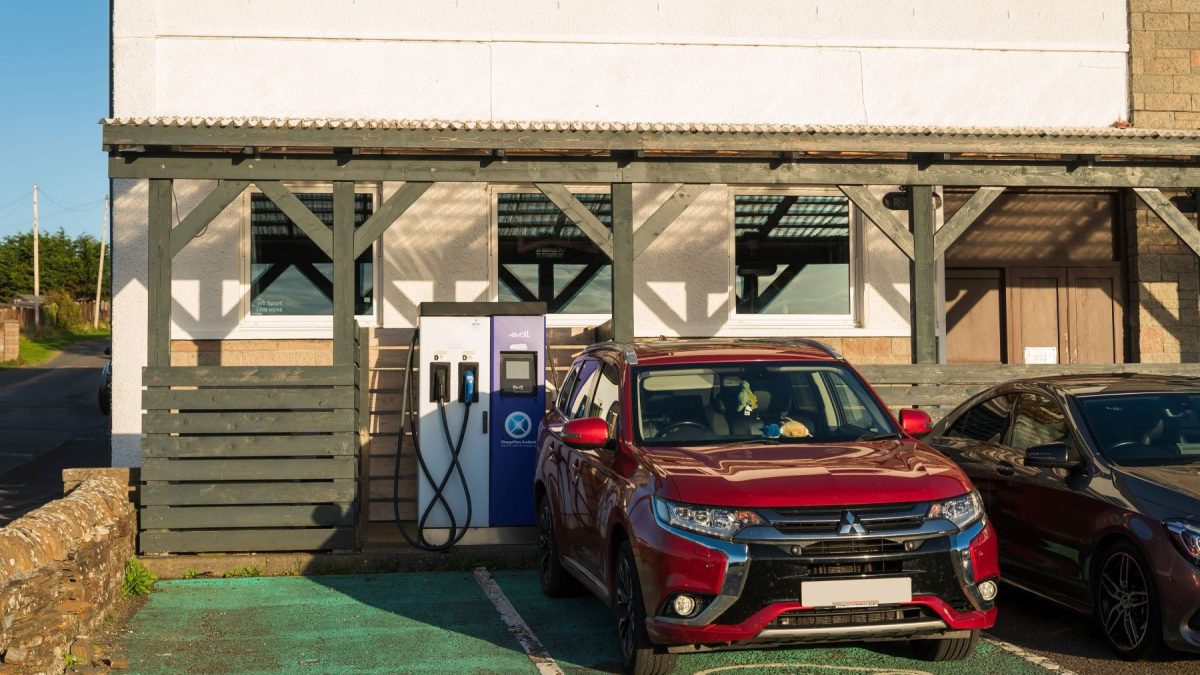
Electric cars broke the old weekend formula. A fuel stop used to take four minutes. Now it is twenty-five, sometimes forty, depending on the charger and the queue. That extra time gets absorbed into the trip itself, which means the trip changes shape.
Britain saw this shift from the inside. With over 119,000 public charge points spread across the country, drivers stopped fighting the pause and started building around it. Families found market towns they would not have noticed otherwise. Some came back the following summer on purpose.
The New Reality of Luxury Road Trips in an Electric Era
Higher-income drivers have moved towards electric faster than most analysts predicted. The reasons are not purely environmental. It is the cabin. The quiet. The torque off the line without the theatre of a downshift. Petrol still makes sense to plenty of people, but for luxury buyers covering 200 miles on a Saturday morning, the EV cabin is simply better.
Hotels figured this out. Properties that added fast chargers two years ago are not advertising them the same way they advertised a new pool. They are quieter about it, just listed in the amenities, right below the spa hours. But it matters. An affluent traveller pulling up in an £80,000 EV notices whether there is somewhere to plug in. If there is not, they might not rebook. The list of EV-friendly attractions across the UK has grown fast enough that destination choices now follow charging coverage as much as reputation.
The change is not gradual anymore. Properties without charging infrastructure are losing a specific type of guest, the one with the highest nightly rate tolerance, and they may not get them back.
How Charging Networks Shape Destination Choices
Charging coverage is uneven, and experienced EV drivers know exactly where the gaps are. The rapid charging network has expanded along major retail parks, motorway services, and countryside hotel corridors. Between Pod Point, BP Pulse, and Osprey Charging, most popular weekend destinations within three hours of a city now have at least one fast-charge option nearby. The UK public EV charging network is now tracked through official government statistics, with coverage data updated monthly as the rollout continues.
The Cotswolds figured this out early. So did parts of the Lake District. A few premium country house hotels added destination chargers and watched their weekend bookings increase. Yorkshire followed. The pattern is repeating across Cornwall, the Scottish Borders, and the Wye Valley.
Charging time adds real minutes to a three-hour drive. Fifteen, twenty, sometimes more depending on state of charge at arrival. Experienced travellers build that in. It changes when they leave on Friday evening and when they expect to arrive.
Planning Routes Around Charging Availability
Pre-trip planning is longer now. Not dramatically, but real. A driver heading from London to the Peak District checks the charger status at two locations before leaving. Not because they are anxious. Because they did the maths once and did not like how it ended.
Most experienced EV road-trippers identify two or three charging options along any given route before leaving.
For drivers weighing up the best electric cars UK before committing to a first electric staycation, MG Motor UK has built a range of electric cars specifically priced and specced for real British driving. Those ready to explore the options will find the affordable electric cars in the UK that MG offers cover everything from urban commutes to longer weekend routes, with honest range figures to match.
The Economics of Electric Weekend Travel
Public rapid charging complicates it. A fast charger at a motorway services costs more per kilowatt-hour than a home outlet, sometimes significantly more. A weekend relying entirely on public chargers can erode most of the savings. The economics work best when home charging handles the pre-trip top-up and public charging fills the gaps mid-journey rather than carrying the whole load.
Some country hotels now include complimentary charging in the room rate. It shows up as a line in the amenities, below parking. Over a season of weekend trips, it adds up to something worth noticing.
What Premium EV Models Deliver
The Mercedes EQS, the BMW iX, the Audi e-tron GT. These are not electric versions of good cars. They are good cars that happen to be electric, and the distinction matters. Interior space is competitive. Cabin noise at motorway speed is lower than most petrol alternatives. The long-haul refinement that luxury buyers expect is there.
Pre-conditioning is underrated. The car sits plugged in at the hotel overnight. Departure at 8am means a cabin already at the right temperature, running off grid power, not battery. Range is preserved. The first hour of the drive is not spent catching up thermally. Cold weather reduces EV range by 10-30% in UK winter conditions, but pre-conditioning while plugged in neutralises most of that before the journey starts.
These details do not show up in spec sheets in useful ways. They show up on the actual trip, in the small frictions that do not occur.
Real-World Range Considerations
WLTP range figures are optimistic. Everyone who owns an EV knows this within the first month. Motorway speeds pull harder on the battery than the test cycle assumes. Cold weather does more. Running the heating does more still.
Planning around 80% of the advertised figure is a reasonable starting point for honest itinerary-building. It is not pessimism. It is arithmetic. The drivers who use that buffer have smoother weekends than the ones who trust the dashboard and push their luck near a destination with limited charging options.
The best weekend staycations have always been about arriving somewhere that feels considered, a hotel that anticipated what you needed before you asked. Electric travel is beginning to work the same way. The car charges overnight, the cabin is warm at departure, and the route is planned before you leave. The friction disappears. What remains is the journey itself, which is exactly how it should be.