
Most homeowners don’t think about their heating system until it stops working. That’s understandable. But by the time something fails, the inefficiencies have usually been stacking up for months, quietly inflating energy bills and stressing components that could have been caught early.
Heating services cover a lot more ground than emergency repairs. This includes maintenance, calibration, ductwork, filter checks, and thermostat upgrades. All of it shapes how the system performs day to day. In regions where seasonal temperature swings are unpredictable, that consistency matters more than most people realize. Homeowners who schedule Las Vegas heating services proactively tend to experience fewer mid-season breakdowns and more stable monthly bills, because regular attention keeps small issues from becoming expensive ones.
What Heating Services Actually Cover
Most people think “heating service” means a repair truck showing up when something breaks, but the reality is much broader than that.
Routine Maintenance
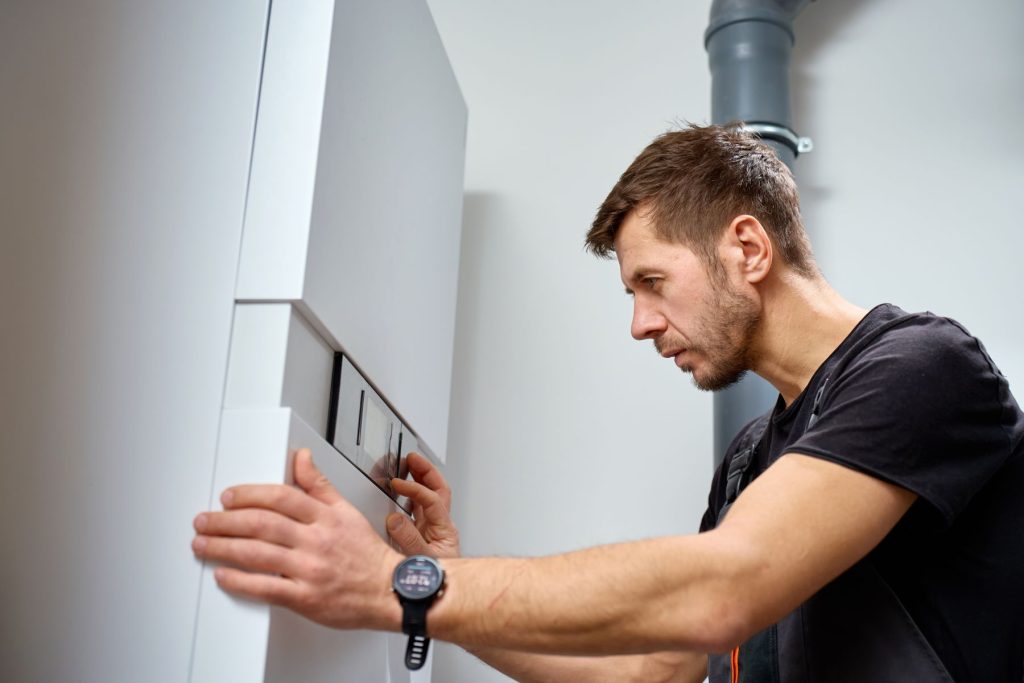
A standard maintenance visit covers more ground than a quick visual check. Technicians inspect the heat exchanger, test safety controls, clean burners, and check electrical connections. These aren’t glamorous tasks, but they’re what keep a system running at full capacity. According to the U.S. Department of Energy, a neglected furnace can shed up to 30% of its efficiency over time. Annual service brings that back up. The math on that alone tends to justify the cost.
System Diagnostics and Calibration
Modern heating systems are more interconnected than older units. Sensors, control boards, and thermostats all have to communicate correctly. When one component drifts out of calibration, the system compensates by running longer than it should, burning more fuel to reach the same temperature.
Proper calibration fixes that. It also reduces wear on components. A system that short-cycles or overruns its heating cycle degrades faster, which moves replacement timelines forward in ways that are both inconvenient and expensive.
How Comfort Improves With Professional Service
Temperature is part of comfort, but it’s not the whole picture. Even heat distribution, low noise, and stable indoor temperatures throughout the day all factor into how livable a space actually feels.
Even Heat Distribution
Uneven heating is one of the most frequently reported complaints from homeowners. One room runs hot while another never quite warms up. The cause is usually something fixable: a blocked vent, a duct leak, or a blower fan that has lost circulation efficiency.
Duct leakage is a bigger problem than most people realize. The Environmental Protection Agency estimates it accounts for 20-30 percent of heating energy loss in a typical home, as warm air escaping before it ever reaches the rooms it’s meant to heat. Sealing and insulating ducts addresses both the comfort and efficiency problems at the same time.
Noise Reduction
Banging, rattling, or a low, persistent hum from a furnace isn’t just annoying. It’s usually a signal for loose components, debris in the system, or a blower motor that needs lubrication, which are common culprits. Left unaddressed, those sounds tend to get worse. Getting them fixed restores quiet operation and stops minor issues from turning into part replacements.
The Efficiency Connection
Heating represents a significant portion of residential energy use. In colder climates, it can approach half of a household’s annual utility bill. Efficiency gains in this area have real, measurable financial consequences.
Filter Replacements and Airflow
A dirty filter is often the most underrated efficiency issue in any heating system. Restricted airflow forces the system to work harder to move the same volume of air, increasing energy consumption and placing additional strain on the blower motor.
Replacing the filter every 1-3 months is a small habit with a disproportionate impact, and filter selection matters too. Using the wrong type, even one marketed as high-efficiency, can restrict airflow and reduce system performance rather than improve it.
Thermostat Upgrades
Manual thermostats don’t offer much flexibility. They hold one setting until someone changes it. Programmable and smart thermostats automatically adjust the temperature based on the time of day and whether anyone is home, preventing the system from running at full output during unoccupied hours.
Research from the American Council for an Energy-Efficient Economy suggests that using a smart thermostat can cut heating energy consumption by 10-15 percent annually, depending on climate and usage patterns. That’s not a trivial number over the course of a heating season.
When to Call a Professional
Some warning signs are easy to dismiss. Energy bills are increasing without an obvious explanation, temperatures in different rooms are inconsistent, and the system cycles on and off too frequently—none of these feels urgent. But they’re worth addressing before they compound.
Scheduling a service visit before heating season starts gives technicians time to work through any findings without pressure. It also sidesteps the long wait times that come with peak winter demand, when everyone else is calling too.
Final Thoughts
Good heating service isn’t just about preventing breakdowns. It’s about ensuring consistent performance from a system expected to operate reliably through cold months, sometimes for years beyond its expected lifespan. Quieter operation, lower energy costs, and fewer emergency calls tend to follow from regular professional attention. That’s not a guarantee, but it’s a reasonable return on a maintenance schedule most homeowners skip.