
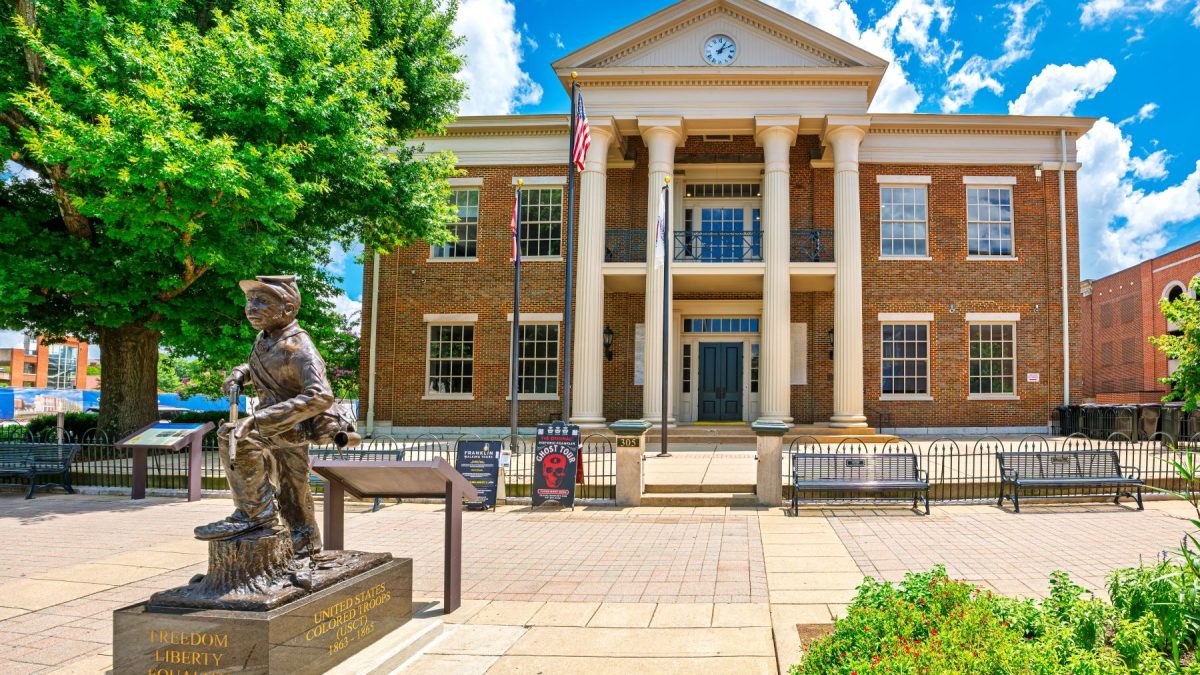
By 2026, logistics is no longer a back‑office function for Franklin, TN, businesses. It is a strategic capability that shapes customer experience, inventory reliability, office relocations, and overall growth. Local moving and delivery partners sit at the center of this shift, combining digital tools with on‑the‑ground expertise to keep Franklin companies moving efficiently.
Digitalization and Efficiency in Local Logistics
Across the logistics industry, 2026 is defined by smarter, more connected operations. Even small moving and delivery providers are adopting:
- Route optimization software that plans the most efficient paths through Franklin’s historic downtown, Cool Springs, and surrounding neighborhoods, cutting fuel costs and transit time.
- Real‑time tracking, giving business owners and customers live visibility into where shipments, equipment, or office assets are at any moment.
- AI‑enabled forecasting that helps anticipate peak days, staffing needs, and vehicle capacity, reducing last‑minute disruptions.
For Franklin organizations, these tools mean more reliable time windows for office moves, store openings, and deliveries to customers. A retailer scheduling a restock or a professional office planning a relocation over a weekend can coordinate staff and communication with confidence.
Supply Chain Agility and Visibility for Growth
With roughly 70% of North American shippers expecting 5–15% growth over the next two years, supply chain visibility is now a prerequisite for expansion. Franklin businesses depend on this visibility in several ways:
- Inventory planning: Clear data on inbound and outbound deliveries helps shops and warehouses keep the right stock levels and avoid stockouts.
- Office and facility moves: When expanding or consolidating locations, visibility into each stage of a move minimizes downtime and confusion.
- Multi‑channel fulfillment: Businesses serving both in‑store and online customers can route orders more intelligently when they know what is moving, where, and when.
Local moving and delivery providers that share shipment status, ETAs, and exceptions in real time give Franklin companies the transparency they need to make better operational decisions day to day.
Customer Expectations Are Redefining Delivery Standards
In 2026, customers expect more than “fast.” They expect deliveries that are predictable. Many consumers are comfortable with a 2–3 day window if delivery times are accurate and consistently met.
For Franklin businesses, this has two major implications:
- Reliable last‑mile delivery: Retailers and e‑commerce sellers need dependable partners who can meet stated delivery windows, not just offer same‑day options.
- Transparent communication: Real‑time delivery updates and proactive notifications reduce customer service calls and build trust.
Local providers that invest in tracking, messaging, and predictable time slots help Franklin brands compete credibly with national players.
Why Local Moving and Delivery Support Matters in Franklin
Minimizing Downtime During Moves
Whether it is a startup leaving a home office or a mature company expanding into a larger space, office and warehouse moves carry risk. Every hour offline can mean missed revenue and frustrated clients. Experienced Franklin business movers design relocation plans around operating hours, coordinate elevator and loading‑dock access, and manage packing, transport, and setup to keep teams working with minimal disruption.
Supporting Retail and E‑Commerce Operations
Local retailers and online sellers rely on accurate, efficient delivery to stay competitive. Strong partnerships with local carriers can:
- Shorten delivery times to Franklin, Brentwood, and the broader Nashville area.
- Reduce cart abandonment by offering realistic, reliable delivery options at checkout.
- Protect brand reputation through careful handling and on‑time arrivals.
Handling Growth and Seasonal Surges
As Franklin businesses scale, they encounter spikes in volume during holidays, tourist seasons, and major sales events. Rather than investing heavily in their own fleets, many organizations lean on moving and delivery specialists to add:
- Extra trucks and drivers for peak days.
- Temporary storage solutions for overflow inventory or furniture.
- Special handling for events, pop‑up locations, or new store openings.
The Franklin Logistics Ecosystem: Local Knowledge as a Differentiator
Franklin’s logistics landscape includes movers, courier services, and local carriers that understand the nuances of the area, from timing around school traffic to navigating narrow streets in historic districts.
This hyperlocal knowledge translates into:
- More accurate ETAs for deliveries into downtown Franklin or busy commercial corridors.
- Better route planning that avoids congestion and construction zones.
- Smarter scheduling that respects local events, festivals, and peak travel times.
Data, Automation, and Cost Optimization in 2026
U.S. parcel volumes remain high, and cost pressures across fuel, labor, and vehicles are significant. In 2026, even smaller logistics providers are turning to automation and analytics to stay competitive. For Franklin businesses, this means:
- Optimized routes and loads that reduce delivery costs and environmental impact.
- More resilient operations that can adapt quickly to disruptions, such as weather or supply shortages.
- Data‑driven service levels, where delivery performance metrics guide contracts, service design, and customer promises.
By selecting moving and delivery partners who embrace these tools, Franklin companies can control costs, maintain reliable service, and support sustainable, long‑term growth.
As 2026 unfolds, the businesses that treat logistics and local moving support as strategic assets, rather than simple line items, will be best positioned to serve customers, move confidently, and expand throughout Middle Tennessee and beyond.