
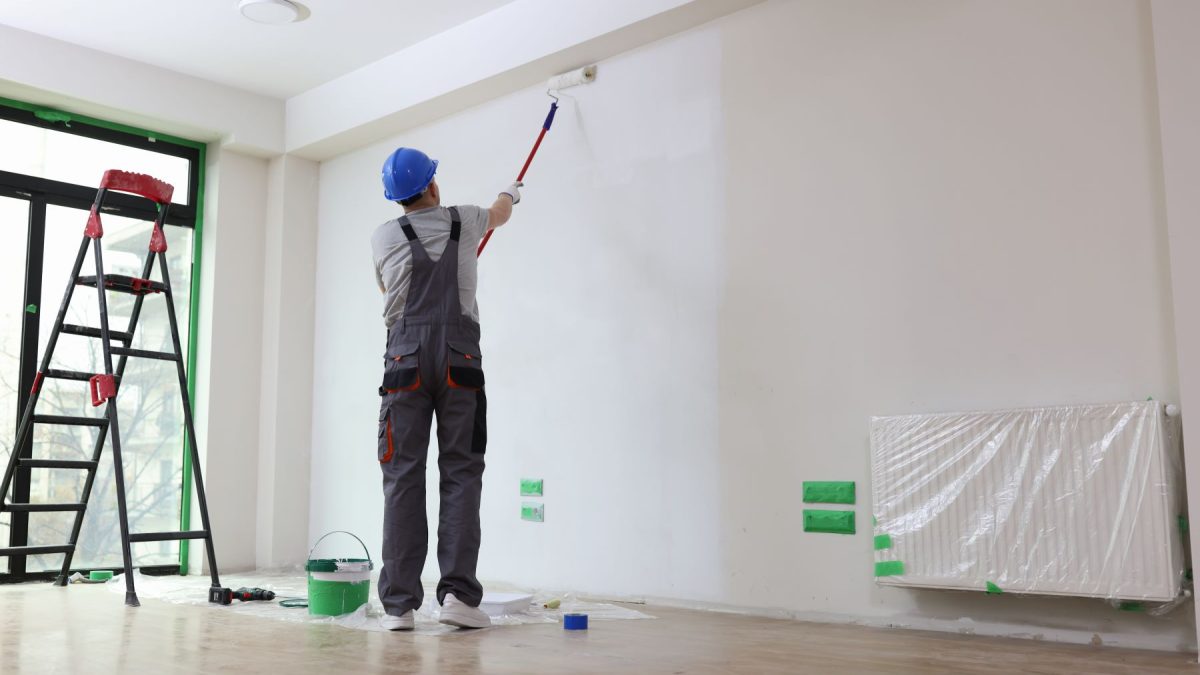
Paint changes daily living in quiet, visible ways. A room can feel cleaner, lighter, and calmer after skilled surface work and well-judged color placement. Good residential painters bring more than brushes. They read wall conditions, repair weak areas, and apply coatings with control that supports long wear. That discipline matters indoors and outside, where heat, moisture, sunlight, and regular contact steadily test every finish a household depends on.
Preparation Shapes Results
Before color enters the discussion, experienced crews study wall texture, old patching, moisture signs, and how daylight moves through each area. In many homes, St. Louis residential painters also check traffic patterns, trim condition, and previous coating failure, because those details guide primer choice, sheen selection, and repair depth. Strong preparation keeps fresh paint from flashing over patches, lifting near damp spots, or breaking down early on busy surfaces.
Color Guides Mood
Color affects proportion, brightness, and emotional comfort. Pale shades can open a narrow room, while deeper tones may steady oversized spaces with harsh afternoon exposure. Skilled painters test samples for several hours, since flooring, bulbs, and window direction alter what the eye reads. Contrast also matters. A ceiling, wall, and trim set with balanced separation gives structure without making the room feel chopped apart.
Interior Work Needs Order
Interior painting follows a practical sequence, and that order protects the final result. Floors get covered first. Plates come off next. Small cracks, nail pops, and uneven patches are corrected before sanding and caulking begin. Finish coats go on only after dust is controlled. That approach reduces grit in wet film, keeps cut lines sharp, and lowers the chance of scuffs while hardware and furniture return.
Exterior Jobs Guard Materials
Exterior coatings do more than freshen curb appeal. They help shield siding, trim, and masonry from repeated moisture exposure, sun stress, and seasonal expansion. Reliable crews wash surfaces, scrape weak sections, sand rough edges, and replace failed sealant before priming starts. Each step supports adhesion. Without that groundwork, even attractive color can peel, chalk, or blister long before a homeowner expects real maintenance to return.
Trim Defines Details
Trim gives a house its visual outline. Door casings, baseboards, crown molding, and window frames guide the eye through each space. Any drag mark or ridge becomes obvious there. Clean brushwork makes those details look crisp rather than heavy. Precise lines also help wall color read true, because sharp borders create order and make the surrounding surfaces appear better kept, even in straightforward rooms.
Cabinets Need Extra Care
Cabinets demand stricter handling than flat walls. Cooking residue, skin oils, and older varnish can block adhesion if cleaning is rushed or incomplete. Painters often remove doors, label hardware, sand profiles carefully, and finish parts separately for a smoother coat. That slower process matters. It cuts visible brush marks, preserves edge definition, and gives kitchens a renewed appearance without the cost and disruption of full replacement.
Repairs Support Finish
Paint cannot compensate for unstable material underneath. Cracked plaster, loose joint compound, swollen trim, and soft wood will show through again if defects remain untreated. Responsible painters address those weaknesses before color application begins. Fillers need proper drying time. Patched areas need feathered sanding. Damaged exterior boards sometimes require replacement rather than concealment. Lasting appearance depends on sound substrate, not clever color selection alone.
Finish Choice Matters
Sheen influences appearance, maintenance, and defect visibility. Flat paint softens minor wall irregularities, which helps older plaster or patched drywall look calmer. Satin and semi-gloss hold up better where steam, fingerprints, splashes, or regular wiping are common. A skilled painter matches finish to room function, light level, and surface texture. That decision affects glare, touch-up blending, and how quickly a space starts to show wear.
Value Shows Over Time
Quality painting proves its worth months after the job ends. Well-prepared surfaces usually stay cleaner, keep color longer, and resist cracking with less frequent touch-up work. Buyers notice those signals during walk-throughs. Straight lines, intact trim, and stable exterior coatings suggest steady care across the property. That impression can support value, yet the larger benefit is simpler upkeep for the people living there every day.
Conclusion
Residential painters change homes through judgment, repair skill, and disciplined application. Their work shapes how a house looks, how surfaces age, and how comfortably rooms function under daily use. Proper washing, patching, priming, and finish selection create results that hold up under weather and contact. Color matters, yet technique usually decides longevity. A carefully painted home feels settled, protected, and clearly maintained from the first glance onward.