
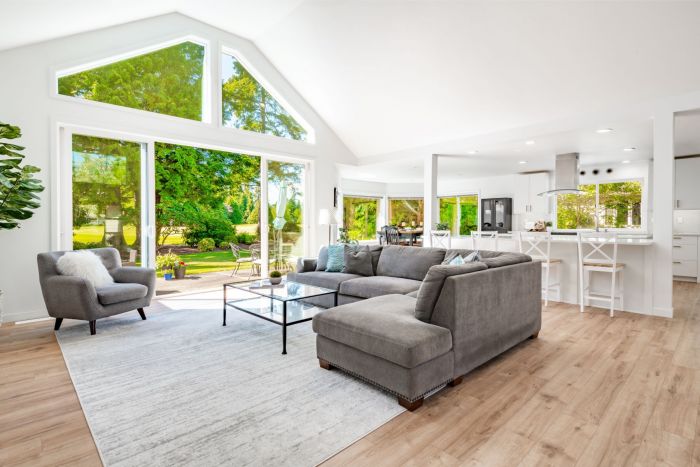
Ever walk into your own home and think, “Why is this room like this?” Maybe the kitchen has a weird corner. Or your hallway feels like it was designed just to trip people. Or the bathroom door hits the vanity. It’s not that your house is falling apart. It just doesn’t work quite right.
That’s the thing about layout. It’s not just about walls and blueprints. It’s about how space moves with you—or against you—throughout your day. In a time when more of us are working from home, hosting family for longer stays, or simply trying to live with fewer frustrations, practical design matters more than ever.
But here’s the good news: making your home feel better doesn’t always mean ripping it apart. You don’t need to blow out walls or build an addition to improve flow. You can do a lot with smart tweaks, a few tools, and a little intention.
In this blog, we will share how to make your space more useful without touching the structure, where to focus first, and how even small changes can unlock a more functional layout.
Layout Is About Movement, Not Square Footage
A common myth in home improvement is that you need more space to solve space problems. That’s usually not true. The problem isn’t the square footage. It’s how that space is being used—or ignored.
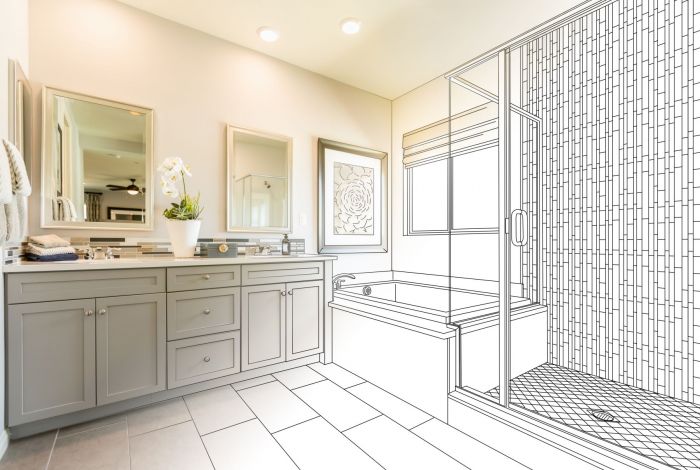
Let’s take the bathroom as an example. This is one of the most-used rooms in the house, but also one of the easiest to mess up. Cramped layouts, outdated vanities, and awkward storage make even a decent-sized bathroom feel smaller.
You don’t have to expand the room to fix it. Sometimes the solution is as simple as repositioning fixtures, choosing better storage, or replacing bulky elements with slim, wall-mounted ones. A skilled bathroom remodeling contractor can walk through your space and spot layout issues you’ve just gotten used to. They’ll often suggest changes that don’t involve breaking down walls—just rethinking what’s already there.
This same thinking applies across your home. You don’t need to tear up the kitchen to improve the workflow. You need to stop walking ten steps between the fridge and the stove. Practical layouts make daily routines smoother. They don’t demand more space. They just make better use of what exists.
Zones Are Your Friend
A big trend in design right now is zoning. No, not city ordinances. We’re talking about organizing your space based on function. Not every open room needs to feel like one giant multi-use blob. Creating clear zones—even in small homes—gives the illusion of more structure and flow.
Start by observing how you actually use your space. Do you work from the dining table? Watch TV while folding laundry? Prep food next to your coffee machine? Those patterns matter. Once you see them, you can create better zones using rugs, lighting, furniture arrangement, or shelving.
In a living room, a low bookcase can separate a reading nook from a TV area. In a studio apartment, a tall plant or curtain can divide sleep from work. You’re not adding square feet—you’re giving each area a purpose. That clarity makes the whole place feel better.
Even in a bathroom, zones work. Storage for toiletries, a space for towels, a clear area for morning routines. You don’t need new plumbing to make it feel organized. You just need to stop balancing shampoo bottles on a wobbly ledge.
Focus on Transitions
One of the most frustrating layout issues isn’t how rooms are shaped—it’s how you move between them. Narrow hallways, clunky doors, or weirdly placed furniture can interrupt the flow of your home.
Instead of thinking about each room as separate, look at how one space connects to another. Is the path clear? Can two people move through comfortably? Is there a visual line that draws you forward, or does the room stop you cold?
Sometimes fixing a layout is as easy as rethinking furniture placement. Move a shelf that blocks a doorway. Shift a sofa so traffic flows behind it instead of around it. Hang curtains higher to give the illusion of taller ceilings.
These are optical and physical tricks. They won’t show up on blueprints, but they’ll change how your home feels.
Rethink Storage (Seriously)
Storage might not seem like a layout issue, but it is. When things don’t have a home, they end up everywhere. That clutter makes rooms feel cramped, even if they’re not.
Go vertical. Use wall space for shelves, hooks, or floating cabinets. Store seasonal items out of sight but easy to access. Replace furniture that only looks good with pieces that serve double duty.
In bathrooms, think beyond the basic cabinet. Ladder-style shelves, behind-the-door racks, and drawer dividers can transform a cluttered space without touching the walls.
The more you contain, the more the room breathes. That breathing room is what makes layouts feel functional—even if the walls never move.
Let Lighting Do the Heavy Lifting
Good lighting creates structure. It tells people where to gather, where to walk, and where to relax.
Overhead lighting alone flattens a room. But a combination of floor lamps, sconces, and pendant lights can shape space without moving a single piece of furniture.
Use warm lighting in chill zones like living rooms or bedrooms. Go bright in work areas like the kitchen or bathroom. Even placing lights at different heights makes a space feel layered and thoughtful.
You don’t need to rewire the house. Battery-operated sconces, smart bulbs, and plug-in options can do the trick.
The Power of Editing
Sometimes layout problems aren’t about what’s missing—but what’s too present. We tend to fill every corner because we can, not because we should.
Try removing one piece of furniture from each room. Or just move something to a different wall. Suddenly, pathways open up. Light hits differently. The space breathes.
Editing is free. And it’s often the easiest way to improve your layout.
Making your home work better doesn’t require knocking things down. It requires noticing what’s not working, and being willing to try something different.
You don’t need a blueprint or a sledgehammer. You need a bit of curiosity, a clear sense of how you want to live, and maybe the right expert to help you see your space with fresh eyes.
When you do that, your house stops feeling like a puzzle—and starts feeling like home.