
Making your home comfortable during warm days is not merely about getting the temperature of your house lower but also knowing where the unwanted heat is generated. Most homeowners are so dependent on their cooling systems without the knowledge that there might be other sources of heat that are working against them in the house. These sources can be identified and used to enhance comfort, save on energy consumption and increase the life span of your cooling system.
Ordinary Heat Sources within the Indoors
There are numerous unseen sources of heat that are produced in the day to day lives. Ovens, stoves, dishwashers and dryers are also appliances that contribute to a significant rise in indoor temperatures particularly during peak heat hours. Even minor electronics such as televisions, computers and gaming devices generate heat which accumulates over time especially in cramped or stuffy areas.
Another factor towards indoor heat that is usually ignored is lighting. The ancient incandescent bulbs emit a significant amount of their power in the form of heat and not light. When multiple lights are involved in the house, particularly during the night, they can significantly raise the temperature. Replacement of light with energy efficient lighting can assist in curbing this impact besides reducing the consumption of electricity.
Windows Heat and Sunlight
The amount of sunlight that comes in through windows is one of the most important sources of heat that are not obvious in any home. Direct sunlight has the ability to heat up rooms, particularly those with large or south facing windows, very quickly. Without adequate covers, the heat gets trapped indoors and it becomes more difficult to create a comfortable inside environment despite the running of cooling systems.
Another factor that is important in the heat transfer is window materials and insulation. Aged windows or those with poor sealing enable warm air to come in and cool air to go out. Even easy measures like blackout curtains or reflective window paper will help cut down on the amount of heat entering your home and make your house more energy efficient.
Effect on Cooling Systems
In the absence of addressing hidden heat sources, the cooling systems have to work more to compensate. This high demand may result in more consumption of energy and inefficiency in the long run. In other instances, the homeowners can observe imbalanced cooling or cycling of their systems, which indicates the existence of excess heat.
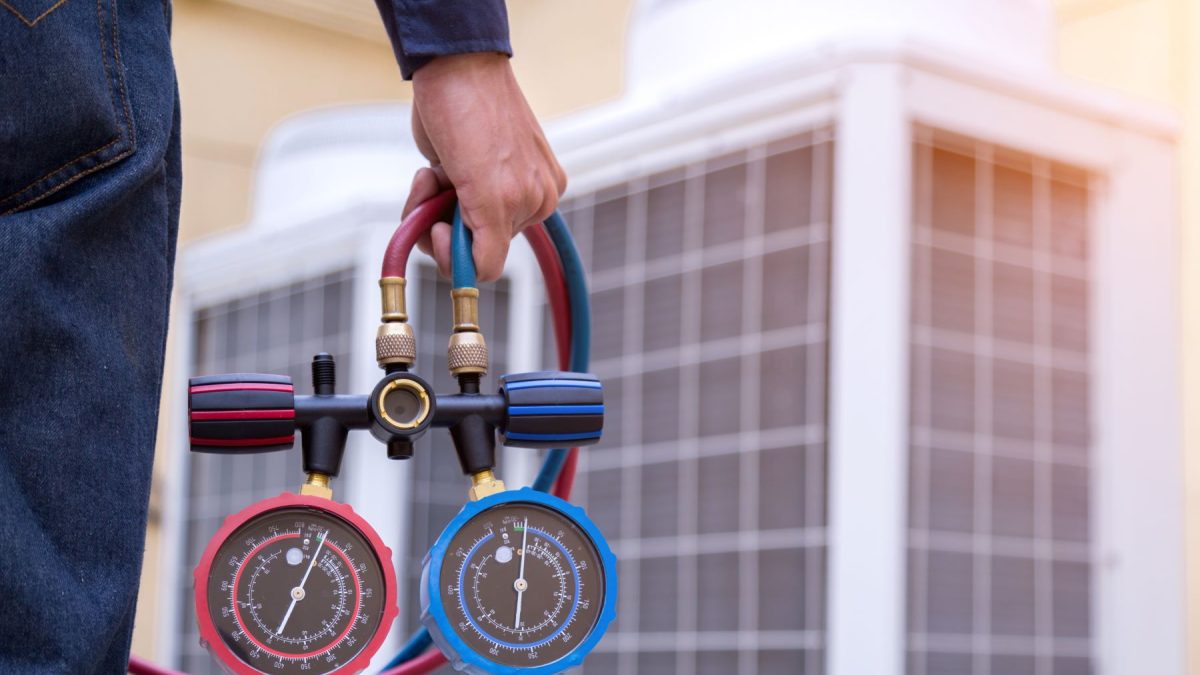
When these problems are not resolved, then there might be a necessity to seek professional help like air conditioner repair Brampton. In different instances, house owners who intend to make upgrades can look at installing air conditioners that are more appropriate in cooling their houses. Nevertheless, solutions to concealed sources of heat should be addressed beforehand, so that any system is as efficient as it can be and offers long-term comfort.
Air Leaks and Insulation Problems
Air can penetrate your house through air leaks around doors, windows and ductwork and go unnoticed. These are leaks that make your cooling system to labor more in order to maintain the required temperature. This will not only raise your energy bills, but can also result in needless wear and tear on your system. Looking to make sure your air conditioner installation was done properly can go a long way.
Another factor that leads to concealed heat build-up is poor insulation. Other spaces like the attics and walls have the potential to store the heat during the day and then radiate to occupational areas in the future. Proper insulation will ensure that the heat is kept out during the summer months and the indoor temperatures are more constant.
Heat Due to Daily Activities
Even when carrying out everyday tasks, there is a possibility of unforeseen heat in your house. Even cooking, baking and even running hot water to take a shower or do laundry can increase indoor temperatures. These activities may cause some parts of the house to be much warmer than others during hot weather.
The time of such activities is also important. The problem can be exacerbated by use of heat producing appliances during the hottest time of the day. By changing routines to cook earlier in the morning or later in the evening, the total heat load in the home can be reduced.
The first move towards making your home comfortable and energy efficient is to identify the sources of hidden heat in your home. Listening to things like your appliances, the amount of sunlight reaching your home, insulation, and daily routines can help you minimize the amount of unnecessary heat in your home and make the interior setting more balanced. Even minor modifications can help to create a difference, even in summer, when excess heat might be overwhelming.