
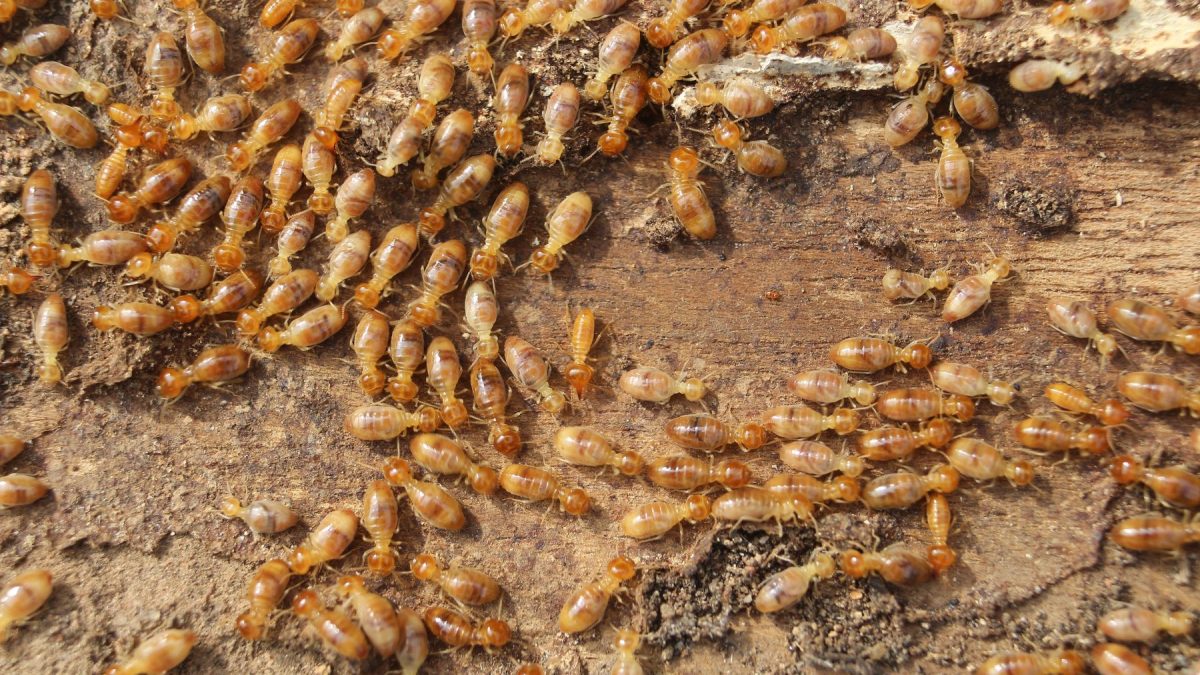
Found termites around the house? Wondering what your options are? You’re not alone. The good news is, there are different ways to deal with a termite problem. According to the U.S. Environmental Protection Agency, both liquid termite treatment and termite baits can be used to treat termites. The two methods, however, work differently. So, the better choice will depend on what’s happening at your home.
For homeowners in TX, including Collin County, knowing the difference can help as you consider your options. If you’re dealing with termites, professional termite control services can also help you assess the problem.
How Do Liquid Termite Treatments and Bait Stations Work?
With a liquid treatment, a termiticide is applied to the soil around the building. The treated soil acts as a barrier for termites.
Bait stations take a different approach. They contain cellulose and a slow-acting insecticide that termites feed on. The stations are checked periodically for termite activity. New bait can be added when needed.
What Are the Pros and Cons of Liquid Termite Treatment?
Liquid termite treatment will quickly kill termites and will provide long-term protection around your home. It is a great option when dealing with an existing termite infestation.
However, there are a few negatives as well. The treatment may require work on the soil around or under parts of the structure. Meaning more work around the home. The products also need to be handled with care and applied correctly. So, you should be familiar and experienced. The best is if it is carried out by a professional.
What Are the Pros and Cons of Termite Bait Stations?
Termite bait stations can be beneficial when the objective is to control termite activity away from initial termite infestation sites. One big advantage is that the bait is slow-acting. So, termites can bring some bait to the colony and share it among termites. This makes it more effective.
The downside is that bait stations need regular monitoring. The stations must be checked to see if termites are feeding on the bait. The bait may also need to be replaced. This means the treatment requires ongoing attention.
Which Termite Treatment Is Better for an Active Infestation?
The reality is that it will depend on the property and the infestation. Where the termites are found matters. So does how serious the problem is. The home’s construction can also play a role. Soil conditions and access to the affected areas may matter too. These factors can affect the available termite treatment options.
However, a professional can inspect the property and recommend a suitable approach. Rather than guessing, they can easily recommend a treatment based on the specific termite problem.
Which Treatment Is Better for Preventing Future Termite Problems?
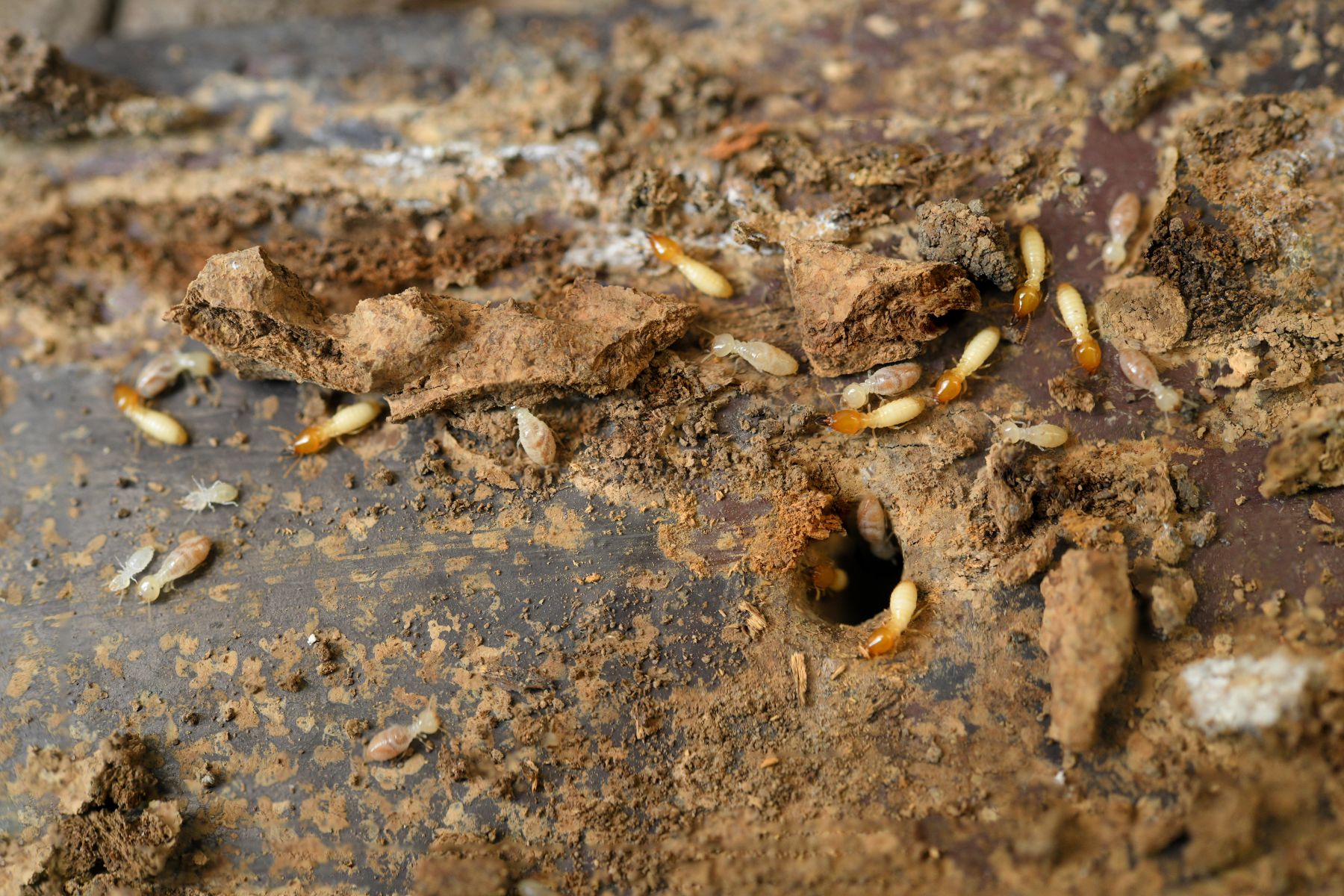
The best choice for prevention depends on where termites may enter. A liquid treatment may be suitable for areas where termites can enter through the soil. Bait stations may be useful where termite activity has been found.
The home’s construction can affect where termites can enter and where treatment can be applied. Soil conditions can also affect how well a soil-based treatment works. These factors narrow down which option fits your property.
How Do Liquid Termite Treatments and Bait Stations Differ in Cost?
The upfront cost can vary by treatment. Liquid treatment usually costs more at first. However, over time, liquid treatment may cost less because it generally does not require regular service.
Bait stations may be more cost-effective to install. But every time the baits must be changed, there will be additional fees. These service fees can easily mount up over time.
What Factors Should You Consider Before Choosing a Termite Treatment?
Start with what’s going on around your home. Check where the termites are. Look at how much activity there is. Consider the condition of the property. Think about what you want the treatment to do. It may be for an existing infestation. It may be for future prevention. It may also be for regular monitoring.
- Current termite activity: Where are termites being found?
- Property design: Could the foundation, construction, or accessibility affect treatment?
- Treatment goals: Are you treating an existing infestation? Or are you working toward prevention?
- Monitoring requirements: Are you willing to commit to continual monitoring?
- Professional assessment: Has the property been properly inspected before treatment?
For homeowners in Collin County, TX, CitiTurf can be a resource to consider when evaluating termite concerns and determining which treatment approach may be appropriate for their property.
In Conclusion
Liquid treatments and termite bait stations work differently. One may be better suited to an active infestation. Another may better fit the property and your goals. Texas A&M AgriLife Extension recommends checking for termite activity before choosing how to handle the problem. The best option will depend on what’s going on around your home.
Have you dealt with termites before? What treatment did you use? Feel free to share your thoughts and experience with us!