When most people think of luxury assets, watches and fine art tend to dominate the conversation. Gold coins rarely get the same attention, yet for many high-net-worth individuals, they represent one of the more compelling ways to hold wealth outside of traditional financial markets.
What makes gold coins distinct from other tangible assets is the combination of what they are and what they represent. They carry the weight of monetary history, are recognized across borders, and can be valued with a level of precision that most passion assets simply cannot match. A signed painting requires an auction, a provenance trail, and the right buyer. A gold coin, on the other hand, can be assessed and liquidated far more efficiently.
For investors, the appeal operates on more than one level. Some are drawn purely to bullion exposure as a tool for wealth preservation and portfolio diversification. Others are also attracted to the rarity, mint origin, or historical significance of specific coins, which can add a collectibility dimension that goes well beyond spot price. This layered nature is part of what separates gold coins from other alternative investments and explains why their place in sophisticated portfolios continues to grow.
Why Gold Coins Appeal to Wealthy Investors
Gold coins occupy a distinct position among luxury assets because they combine tangible asset appeal with monetary history and global recognizability. Unlike a vintage watch or a piece of fine art, a gold coin carries an intrinsic commodity value that is visible, measurable, and internationally understood. That quality alone sets it apart from most other physical holdings.
For wealth-minded buyers, the appeal is practical as much as it is aesthetic. Gold coins can serve both wealth preservation and portfolio diversification goals simultaneously, which is a combination that few alternative investments can offer with the same clarity. Some buyers focus entirely on bullion exposure, treating coins as a straightforward hedge. Others are drawn to the rarity, mint origin, or collectibility of specific issues, adding a numismatic dimension that can generate premiums well above the underlying metal value.
Importantly, gold coins are also generally easier to value and liquidate than most passion assets. There is no need to wait for the right auction cycle or find a buyer with a particular taste. The commodity floor provides a baseline that art and watches simply do not have, making gold coins a more legible option for investors who want tangible exposure without accepting fully opaque pricing.
What Gold Coins Offer That Art and Watches Do Not
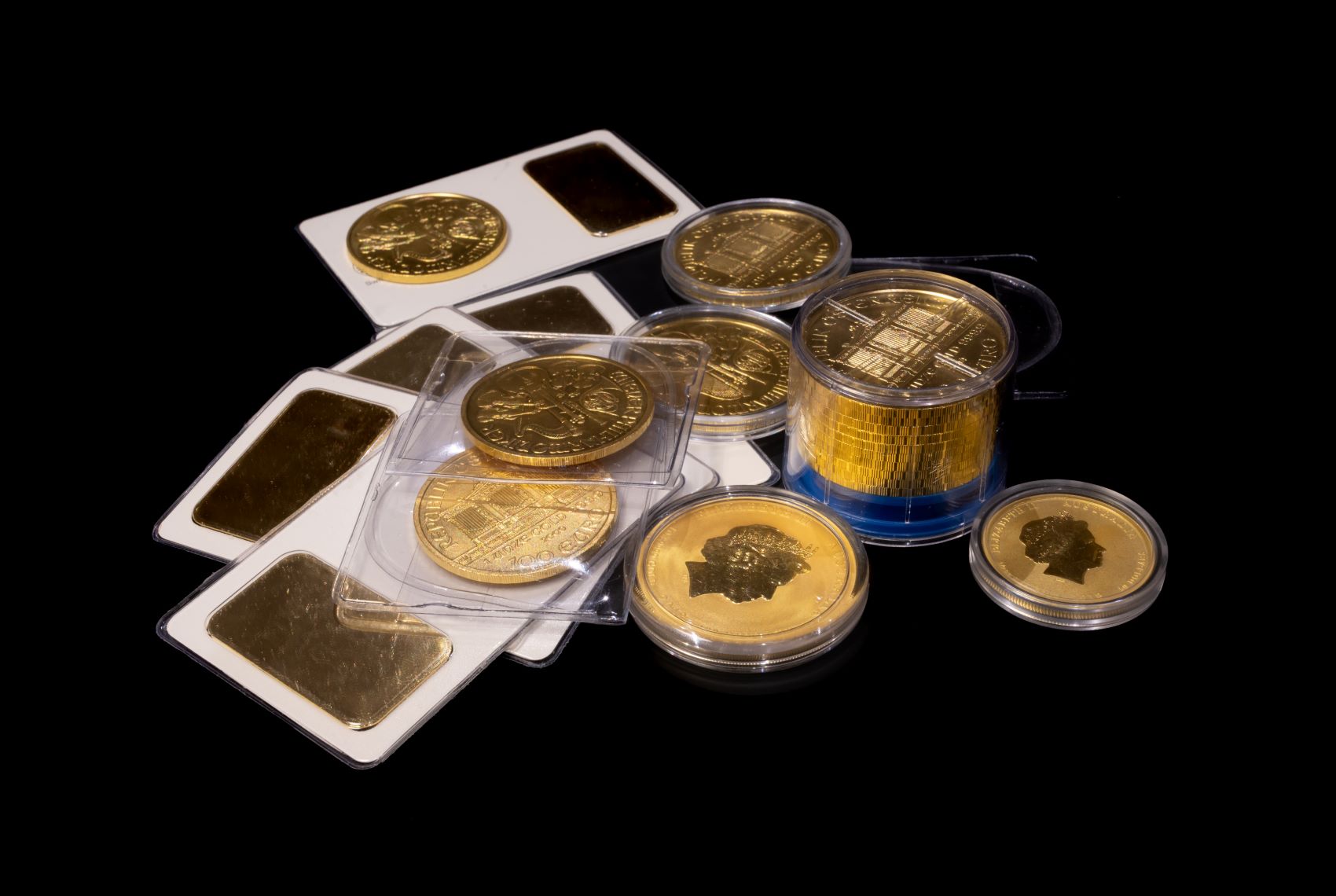
Art and watches are well-established categories in the luxury assets conversation, but both share a structural limitation that gold coins do not. Before examining the specific advantages, it helps to understand how coin valuation works and why that structure appeals to investors who have already explored other collectibles.
Liquidity and Price Transparency
Art and watches occupy well-established positions in the luxury assets conversation, but both categories share a common limitation: pricing can be opaque, subjective, and highly dependent on timing. A watch’s secondary market value shifts with trends. A painting’s worth often depends on which collectors are actively bidding.
Gold coins operate differently. Their valuation is anchored to a publicly visible commodity price, then adjusted for premium, condition, and rarity. According to Knight Frank data, collectibles broadly have attracted growing interest among wealthy investors, yet few passion assets offer the same pricing legibility that gold provides. This makes gold coins particularly accessible to investors who want exposure to tangible, alternative investments without accepting an entirely opaque valuation process.
Bullion Value Plus Collectible Upside
What further separates gold coins from most collectibles is the presence of an underlying commodity floor. Even if a coin’s numismatic premium fades, the metal content retains intrinsic value. That baseline changes the risk profile in a meaningful way.
Certain coins carry both dimensions simultaneously. Standard bullion issues offer straightforward metal exposure, while rarer pieces from specific mint years or limited runs command premiums well above spot. Wealthy buyers often evaluate coin choice by mint origin, denomination, and series availability before committing, and Monex.com lists the full U.S. Mint catalogue alongside current pricing, illustrating how metal value and collectible premiums coexist within a single asset class.
How Gold Coins Fit Into a Luxury Asset Portfolio
Within a diversified portfolio of alternative investments, gold coins occupy an unusual position. Unlike art or wine, which derive their value almost entirely from aesthetics, provenance, or taste trends, gold coins can serve two distinct functions at once: defensive asset and collectible. That dual nature changes how portfolio allocation logic applies to them.
For high-net-worth individuals managing concentration risk across passion assets, this matters. A portfolio weighted heavily toward trend-driven collectibles carries significant exposure to shifting tastes and illiquid exit conditions. Gold coins can offset some of that imbalance, introducing an asset with an independent value floor that does not depend on the next auction cycle or collector sentiment.
The appeal tends to sharpen during periods of inflation, currency stress, or broader market uncertainty, because gold’s role as an inflation hedge is well established across economic history. This positions coins differently from watches or contemporary art, both of which have shown price sensitivity to consumer confidence.
Knight Frank data from the Knight Frank Wealth Report and the Knight Frank Luxury Investment Index consistently shows that tangible assets remain a meaningful allocation priority for wealthy investors globally. The broader interest in wealth preservation through physical holdings reflects a pattern that gold coins fit naturally, given their combination of commodity pricing, global recognition, and collectible depth.
| Feature | Gold Coins | Art | Watches |
|---|---|---|---|
| Commodity value floor | Yes | No | No |
| Price transparency | High | Low | Medium |
| Liquidity | High | Low | Medium |
| Collectible upside | Yes | Yes | Yes |
| Inflation hedge history | Strong | Limited | Limited |
The Tradeoffs Investors Need to Weigh First
The case for gold coins is compelling, but ownership comes with practical considerations that are worth examining before any allocation decision. These tradeoffs do not undermine the thesis, yet they do affect the total cost and complexity of holding physical coins at scale.
Storage, Insurance, and Authentication
Physical gold coins introduce ownership costs that financial instruments like ETFs simply do not carry. Secure storage, whether through a private vault or institutional custodian, represents an ongoing expense that compounds over time for larger holdings.
Insurance is equally non-negotiable for serious collectors. Coverage requirements depend on the total value held and the storage arrangement chosen. Authentication also matters more than many buyers anticipate: provenance documentation and third-party grading protect against fraud and significantly affect resale outcomes. Tangible assets trade on trust, and coins without verifiable history routinely sell at a discount.
Tax and Estate Planning Considerations
Tax treatment for gold coins varies meaningfully by jurisdiction. In many markets, physical gold is classified alongside collectibles rather than conventional financial assets, which can affect capital gains rates and reporting obligations. Investors should not assume that the tax profile mirrors what they experience with other wealth preservation instruments.
Estate planning adds another layer of complexity. Rarity and numismatic value can complicate appraisals at the time of transfer, and documentation should be established early rather than left to heirs to reconstruct. For substantial holdings, working with a tax advisor familiar with tangible assets is advisable before acquisition, not after.
Who Is Most Likely to Buy Gold Coins
Gold coins tend to attract a specific type of investor rather than a general one. High-net-worth individuals who already hold alternative investments often come to gold coins as a way to introduce an asset that combines defensive utility with collectible depth, something few other passion assets offer in the same structure.
Strategic buyers typically prioritize hedging, liquidity, and portfolio diversification. They want tangible exposure to a recognized store of value without accepting the fully opaque resale conditions that define markets like contemporary art or vintage watches. Gold coins meet that need more cleanly than most collectibles.
A separate but overlapping group is drawn to coins as objects worth preserving and eventually passing on. These buyers care about mint origin, rarity, and historical context as much as they do about commodity pricing. The collectibles dimension adds personal meaning alongside financial logic.
Where the two profiles converge is in the appreciation for assets that do not depend entirely on taste-based resale markets. Gold coins offer a commodity floor that purely aesthetic passion assets cannot replicate, which is precisely why they appeal to investors who want exposure to the collectibles space without surrendering all pricing legibility.
Final Thoughts on Gold Coins as Luxury Assets
Gold coins occupy a middle ground that few luxury assets can claim: part monetary instrument, part collectible, and part wealth preservation tool. As the tradeoffs discussed earlier make clear, ownership requires some planning, yet the structural advantages remain difficult to replicate elsewhere in the passion asset space.
Their appeal rests on recognizability, a commodity-backed value floor, and the kind of pricing transparency that art and watches rarely offer. For investors weighing tangible alternatives, gold coins present a balanced case without requiring a commitment to either pure speculation or pure aesthetics.