For a decade, the obituaries wrote themselves. Online shopping would bury the American mall. The parking lots would turn to weeds.
Someone forgot to tell the luxury end of the market. While middle-tier centers shuttered, the most exclusive malls in the country did the opposite. They grew bolder, prettier and far more profitable. The secret was simple. They stopped selling square footage and started selling an afternoon you remember.
How the American mall went upmarket
The reinvention was architectural before it was commercial. The new luxury centers tore off their roofs and opened to the sky. Picture landscaped courtyards, water features, palm trees and natural light in place of fluorescent corridors.
Design names you would expect on a boutique hotel began showing up on shopping centers. Peter Marino. Kelly Wearstler. The aim was atmosphere. A setting that feels closer to a resort than a retail box, where lingering is the whole idea and the purchase almost becomes secondary.
That shift mattered because it answered the one thing the internet cannot ship. A sense of place.
Where the experience lives
Los Angeles offers the clearest example. Westfield Century City reopened in 2017 after a billion-dollar rebuild. It looks nothing like the enclosed mall it once was.
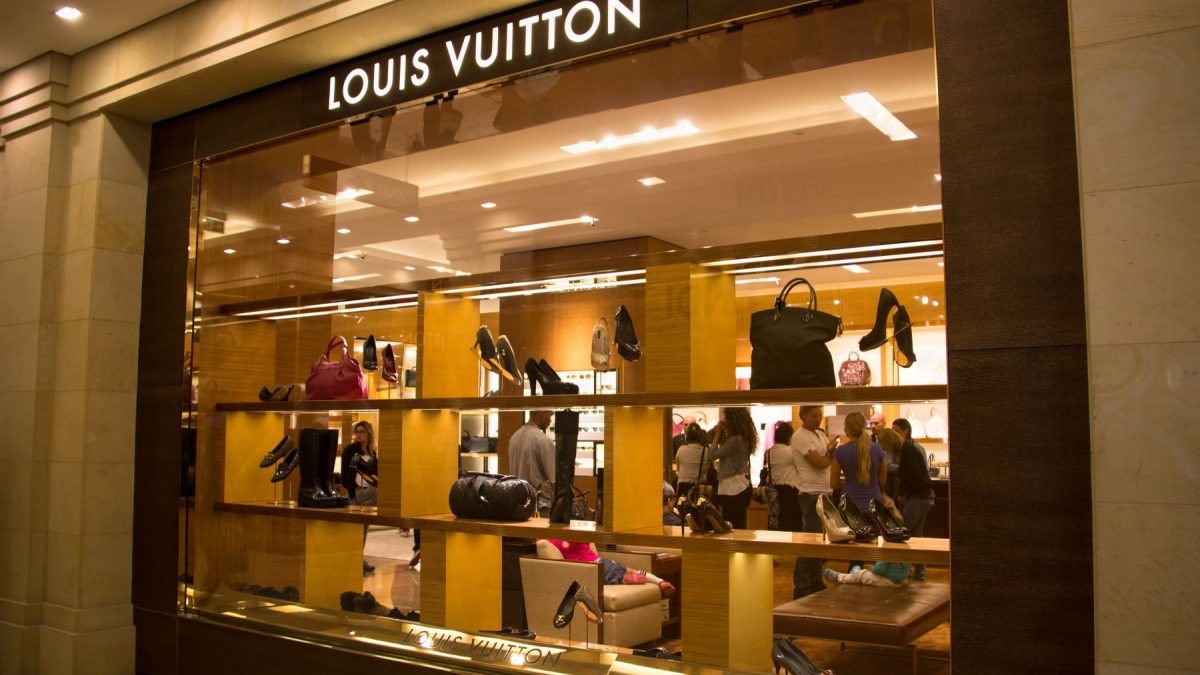
Eight acres of open-air plazas wind past a three-level Nordstrom flagship, the West Coast’s first Eataly and designer names such as Louis Vuitton and Tiffany & Co. Kelly Wearstler shaped the public spaces. An Equinox club, rotating art and a full calendar of events round out a place built for hours rather than minutes.
Walk it once and the appeal of luxury shopping at U.S. malls makes sense, the model Westfield has leaned into across its American centers. The building itself becomes part of the purchase.
America’s temples of designer retail
Century City has company. A handful of addresses have turned high-end shopping into a reason to travel.
In Miami, Bal Harbour Shops sets the standard. Open since 1965 and framed by koi ponds and tropical planting, it pairs Neiman Marcus and Saks Fifth Avenue with Chanel, Hermès, Harry Winston and Van Cleef & Arpels. Vogue once called it the most luxurious shopping center in the country.
Other names earn their reputation just as quietly. South Coast Plaza in Costa Mesa ranks among the highest-grossing malls in America, with close to 280 boutiques under a single roof. New Jersey has The Mall at Short Hills, known for years as the rich people mall by the locals who shop it. On Long Island, the Peter Marino-designed Americana Manhasset reads more like an open-air gallery than a row of stores. And in Honolulu, Ala Moana stretches out as the largest open-air shopping center on earth.
Service that you cannot download
Brands are only half the story. The rest is how you are treated once you step inside.
At the top centers, a personal shopper will pull a rail before you arrive. Bal Harbour works with the neighboring St. Regis on a closet service that pre-selects pieces for hotel guests. Valets, multilingual concierges and private salons are standard. Many stores accept UnionPay for the international clientele that flies in by the planeload.
This is the part the internet cannot replicate. Someone who remembers your size, your taste and the watch you admired last spring. The transaction turns into a relationship. That relationship is what brings the carrier bags back.
Why dining became the main course
The clearest sign of the shift sits at the table. Department stores used to anchor a mall. Now the anchors turn up in chef’s whites.
Century City handed prime space to Eataly, the sprawling Italian market. It is now drawing in restaurants from David Chang. Bal Harbour built its name on Makoto and Carpaccio as much as on its boutiques. Wellness clubs, spas and art programming fill the gaps.
The logic holds. A great meal or a workout gives you a reason to come with no shopping list at all. Once you are there the boutiques sit a few steps away. The mall has quietly become a third place, somewhere between home and work where an afternoon simply unfolds.
How to shop them like an insider
A little planning turns a good visit into a great one. The regulars rarely just show up.
Book ahead. Most flagship boutiques take appointments. A personal shopper or stylist costs nothing beyond what you decide to buy. Register with the center’s app or clienteling program before you go, since that is how early access to new-season pieces and private events lands in your inbox. Lean on the concierge for valet, restaurant tables and same-day alterations. International visitors should ask each boutique about shipping, since sending purchases home can sidestep the customs hassle and the overstuffed suitcase at once. And if your dates are flexible, aim for a trunk show or a seasonal launch, when the freshest collections and the sharpest staff attention arrive together.
Is the luxury mall worth the trip?
If you measure shopping in clicks and prices, probably not. The same handbag waits online, often a day sooner.
That view misses what these places actually sell. Discovery, service and a few unhurried hours among beautiful things, most of it under open sky. On that score the best American luxury malls are still hard to beat. They turned a chore into an occasion. And the occasion is the product.