For years, cosmetic treatments were often associated with dramatic transformations. Fuller lips, tighter skin, and sharper contours dominated the conversation. Recently, however, beauty standards have started to change.
Real luxury is no longer about looking different. It is about looking like the best version of yourself, and that is often achieved through personalized cosmetic treatments designed around your unique features.
Why More Affluent Clients Are Prioritizing Personalized Cosmetic Treatments
Luxury has always been closely tied to personalization. Whether it’s tailored fashion or private travel experiences, affluent consumers tend to gravitate toward services designed around their individual tastes. That same expectation is now influencing the world of beauty and wellness.
Many clients are now approaching aesthetic medicine with a more long-term mindset. Instead of concentrating on one treatment at a time, they are interested in plans that help preserve their appearance for years to come. Personalized cosmetic treatments make this possible by blending different techniques that promote healthier skin and natural facial harmony.
The Biggest Trends in Aesthetic Medicine Today
Modern luxury beauty treatments now focus on long-term skin health and thoughtful planning instead of quick cosmetic fixes. Here are a few of the most significant trends influencing aesthetic medicine today that affluent patients are getting:
1. A Shift Toward Personalized Cosmetic Treatments
Affluent patients are starting to recognize how standardized treatment plans don’t provide the results that align with their unique facial features and preferences. As a result, many are choosing personalized cosmetic treatments that allow practitioners to create more precise and balanced outcomes.
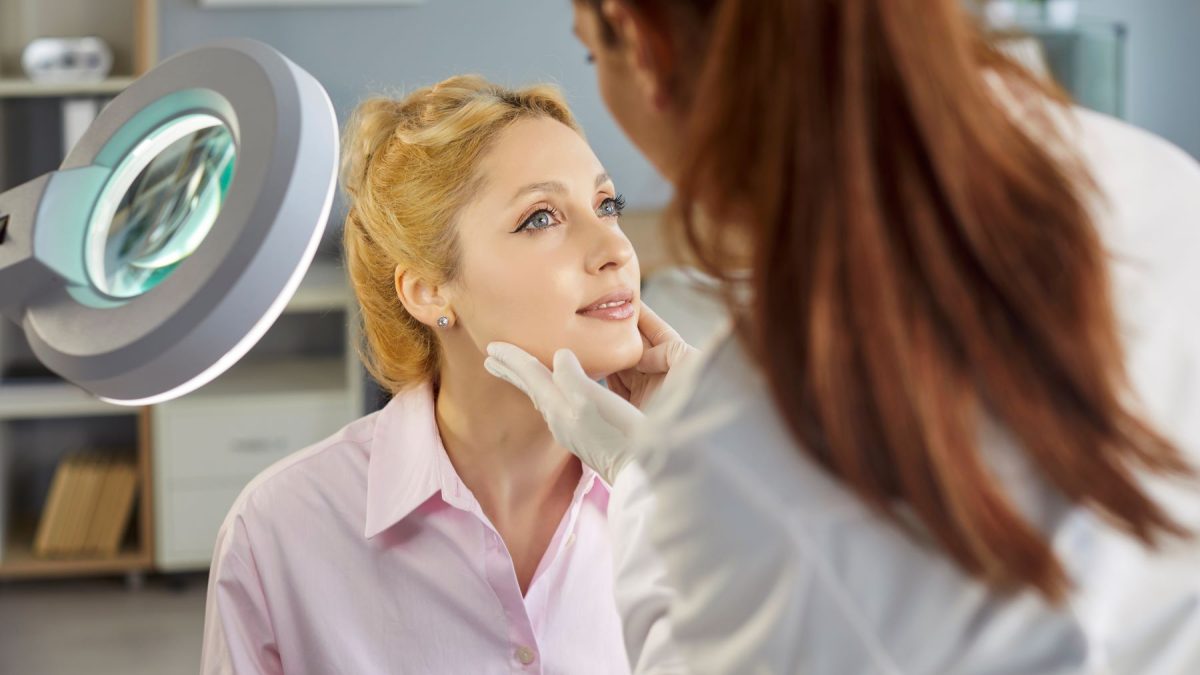
Providers often consider facial anatomy, skin biology, lifestyle habits, and how the face may change with age when developing treatment plans. Long-term aesthetic goals are also part of the discussion. Many consultations now include advanced tools such as skin analysis technology and digital facial mapping, which help practitioners study the skin and facial structure more closely before recommending treatments.
2. Subtle Enhancements Over Dramatic Transformations
For affluent patients, the real appeal is how subtle and natural-looking the results can be. Rather than pursuing dramatic changes, many people today prefer treatments that help them look refreshed without making it obvious that cosmetic work has been done. A few aesthetic procedures that support subtle enhancements include:
- Micro-Dosing Injectables: This technique uses very small amounts of neuromodulators or fillers to soften fine lines and maintain facial balance. Because the doses are minimal, facial expressions remain natural while early signs of aging are gently improved.
- Subtle Eyelid Rejuvenation: The eye area is often one of the first places where signs of aging show. Subtle eyelid rejuvenation focuses on refreshing the appearance of the eyes by addressing heaviness or puffiness while preserving natural expression and facial harmony.
- Body Contouring: Liposuction can provide subtle contouring by targeting small pockets of excess fat that affect overall shape. When performed carefully, the improvements enhance the body’s natural proportions rather than dramatically altering them.
- Mini Facelift: A mini facelift can improve early signs of sagging in the lower face with a more subtle approach than a full facelift. The procedure lifts and tightens key areas, helping the face look refreshed without changing natural expression.
3. The Growth of Minimally Invasive Cosmetic Procedures
Minimally invasive cosmetic procedures refer to aesthetic treatments that require smaller incisions, less downtime, and a more conservative approach than traditional surgical procedures.
Many people are drawn to treatments that can deliver visible improvements while keeping recovery time manageable. A few popular examples of minimally invasive cosmetic procedures include:
- Neuromodulator Treatments: Neuromodulators are often used to soften expression lines and reduce the appearance of wrinkles. When applied in small amounts, they help relax targeted muscles while preserving natural facial movement.
- Dermal Fillers: Dermal fillers can restore volume in areas where the face has lost fullness over time. By carefully placing small amounts of filler, practitioners can improve facial balance and create a refreshed appearance.
- Chemical Peels: Chemical peels remove damaged outer layers of skin to reveal smoother and brighter skin underneath. These treatments can improve tone, texture, and the appearance of fine lines.
- Radiofrequency Skin Tightening: Radiofrequency treatments heat the deeper layers of the skin to stimulate collagen production. Over time, this process can improve skin firmness and overall skin quality.
4. The Rise of Regenerative Aesthetics
Regenerative aesthetics is quickly becoming one of the most exciting developments in aesthetic medicine. Instead of relying on treatments that only address surface concerns, this approach focuses on strengthening the skin at a deeper level. Some examples of regenerative aesthetic treatments include:
- Platelet-Rich Plasma (PRP) Treatments: PRP uses components from the patient’s own blood to support the skin’s natural repair process. When applied to the skin, these growth factors can stimulate collagen production and improve skin texture, tone, and elasticity over time.
- Exosome Therapy: Exosome-based treatments use cell-derived signalling molecules that help support skin regeneration and healing. These treatments may improve skin quality by encouraging cellular communication and tissue repair.
- Biostimulatory Injectables: Unlike traditional fillers that mainly add volume, biostimulatory injectables work by stimulating the body’s collagen production. Over time, this can help strengthen the skin’s structure and gradually improve firmness and elasticity.
- Microneedling with Regenerative Support: Microneedling creates tiny microchannels in the skin that trigger the body’s natural healing response. When combined with regenerative therapies, the treatment can encourage collagen growth and help improve overall skin texture.
5. Preventative Aesthetic Medicine
Anti-aging treatments are no longer limited to older clients. Younger patients are also taking a proactive approach through preventative aesthetic treatments. For many people, prevention feels more manageable than correction. Rather than waiting until deeper lines or skin laxity appear, many patients focus on preserving the skin’s strength and resilience as they age.
This approach is often described as skin longevity. The goal is not to dramatically change how someone looks, but to support the skin so that it ages more gracefully. Over time, small preventative steps can help maintain smoother texture, balanced features, and a healthier complexion.
Key Takeaways
Aesthetic medicine is evolving toward a more thoughtful approach. Many patients are less interested in dramatic changes and more focused on treatments that help them look refreshed while preserving their natural features. As the field continues to grow, the most effective strategies will likely combine medical skill with an understanding of how skin and facial features change over time.