
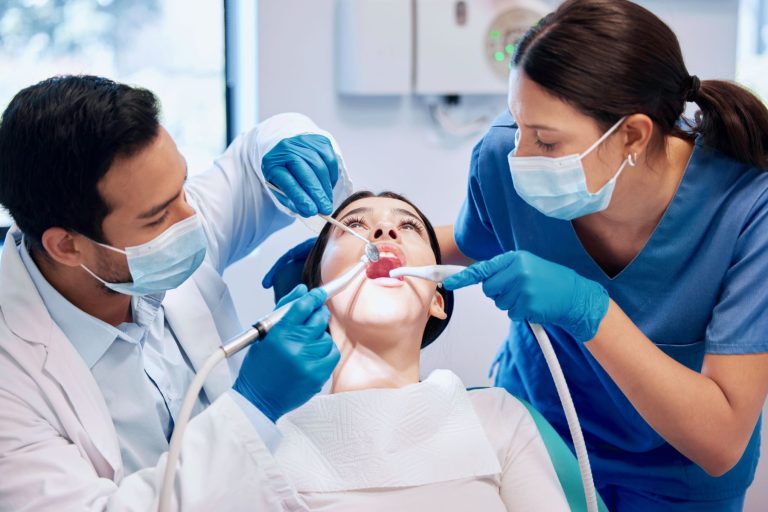
Pediatric dentistry has changed over the years. The focus of modern pediatric dentistry is comfort and a good customer experience. But this is hard to uphold with the common aggressive invasive methods of treatment.
Minimally invasive pediatric dentistry uses less invasive treatment techniques while focusing on the care and comfort of the patients. Smiles+Grins Pediatric Dentistry uses noninvasive methods to care for kids of all ages. We will explore some of these methods in this article.
What Is Minimally Invasive Pediatric Dentistry?
Minimally invasive pediatric dentistry is the modern approach to dentistry that seeks to find issues at the early stages, stop and treat them without aggressive structural treatment options. They use methods that will not involve drilling, removal of teeth, or tampering with the natural structure of the teeth.
Minimal or non-invasive pediatric dentistry encourages methods that promote natural healing, unlike traditional methods that use aggressive restorative methods. The goal with minimally invasive approaches is to give the best care while keeping patients’ comfort as a priority.
In practice, minimally invasive pediatric dentistry works well for growing mouths because keeping the primary teeth is crucial for proper development.
Common Minimally Invasive Techniques
Minimally invasive techniques are the new approach in dental care. Following the advancement in modern medicine, experts are seeking ways to treat patients without the generic invasive methods.
Specialists at Smiles+Grins Pediatric Dentistry use these modern techniques to give families a comfortable experience.
Minimally invasive dental techniques include:
- Silver Diamine Fluoride (SDF): This is a liquid that is used to stop decay. They are super effective in decay treatment with an over 80 to 90 percent success rate. SDF prevents the need for filling
- Atraumatic Restorative Treatment (ART): This method uses a handheld instrument to remove decayed tissues and then seal the area. This method is also suitable for anxious kids.
- Hall Technique: This method allows the placement of metal crowns on decayed teeth. It seals bacteria and stops their growth without the ned for drilling.
- Resin infiltration: Resin infiltration is a method in which resin is injected into the affected area to stop decay progression.
- Laser-Assisted Therapies: This method uses a soft tissues lasser to prepare the cavity for treatment.
The 2025 reviews note that the innovations follow evidence-based practices, improve results, and cut office time.
Benefits for Children and Parents
Minimally Invasive approaches do more than just treat a tooth. Modern pediatric dental caremake the dental chair less scary for children because the work is short and not as loud, and children feel less anxious when the procedure is quick and gentle.
Parents save costs when approaches avoid sedation and reduce the need for extra visits. Parents also like that these methods try to prevent problems before they become big.
Teens benefit from approaches because the work keeps their teeth looking the same. Teens feel more confident in school and with friends when their smile stays natural. Minimally Invasive approaches help families see the dentist as part of their health care. Families keep up with checkups while developing better habits at home.
Advanced Diagnostic Tools
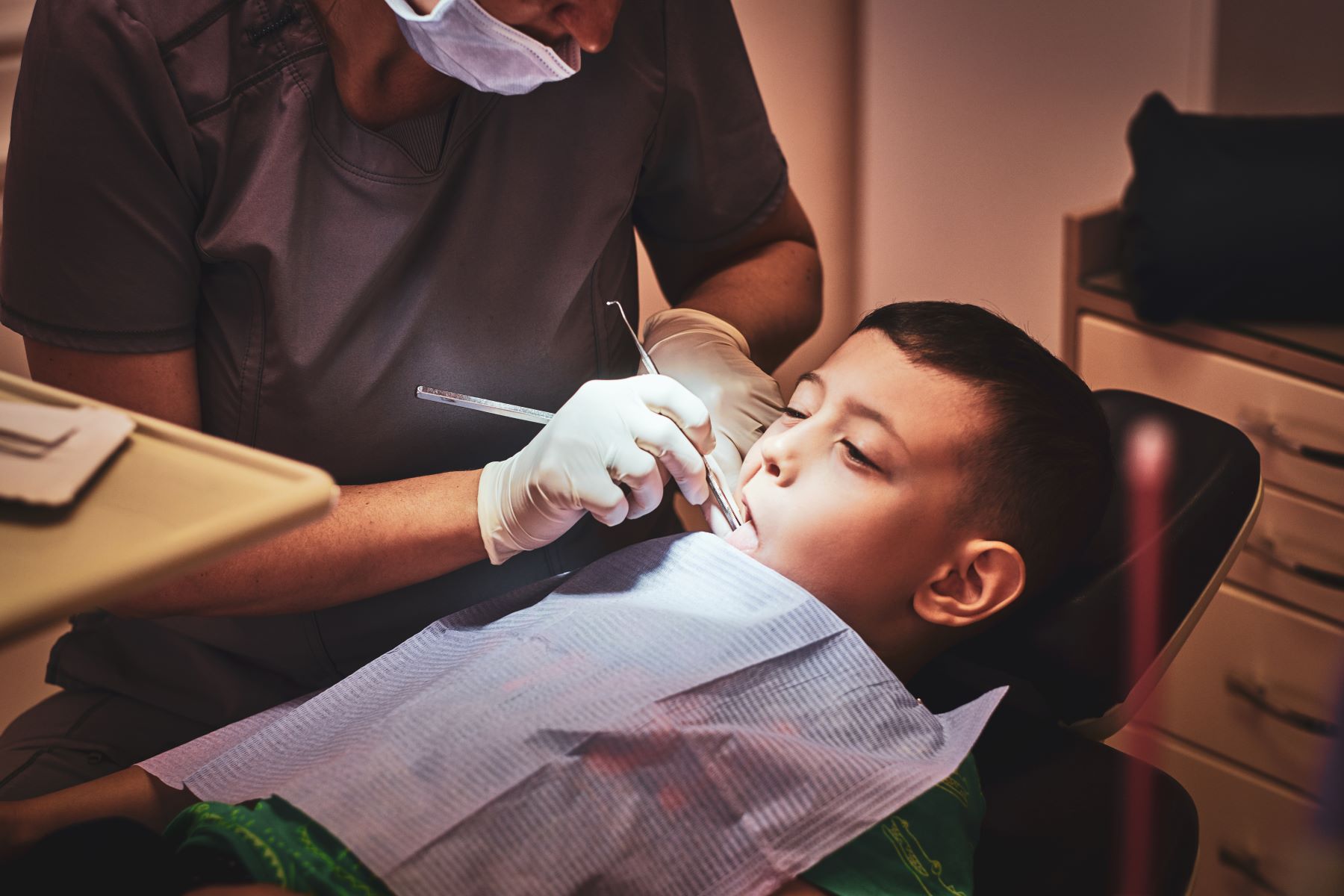
Early and accurate diagnosis is the foundation for care. Digital intraoral scanners provide 3D images for planning without impressions. The digital intraoral scanners let the dentist see the shape of the teeth in three dimensions.
The Cone-beam CT gives low‑radiation views of developing structures. It helps the clinician visualize bones and teeth without invasive procedures.
The AI‑assisted software analyzes X‑rays to detect decay and highlights spots that are easy to miss. Optical caries detectors use fluorescence to spot lesions without cutting, guiding the dentist to treat the needed areas.
This device helps the dentist know the specific place to apply the appropriate treamtnet thereby increasing efficiency
Preventive Focus in Modern Pediatric Care
Modern pediatric care focuses on preventive care, such as fluoride use and diet, to prevent dental issues.
Pediatric dental care also uses 3D printed custom guards to shield teeth during sports. The overall plan follows the AAPD guidelines. The overall plan teaches caregivers about care and makes each visit an opportunity to establish a hygiene routine to avoid procedures.
When Minimally Invasive Care Is Most Effective
Minimally invasive techniques work well for early-stage caries for teeth management and for high-risk patients, such as patients with special needs or patients with dental phobias. They are especially useful in dentition phases to guide tooth eruption without using orthodontics.
More serious dental issues may require a more aggressive approach. Do well to talk to your dentist to get a better recommendation for the approach that will best address your issues.
In conclusion
Instead of removing teeth and performing major procedures, pediatric dental care now focuses on preventive methods and other non-invasive care.
Minimal or noninvasive techniques allow for early detection and noninvasive intervention before the problem escalates. Its focus is prevention and comfort for all patients.
What modern pediatric dental care methods have you used, and what was your experience with them?