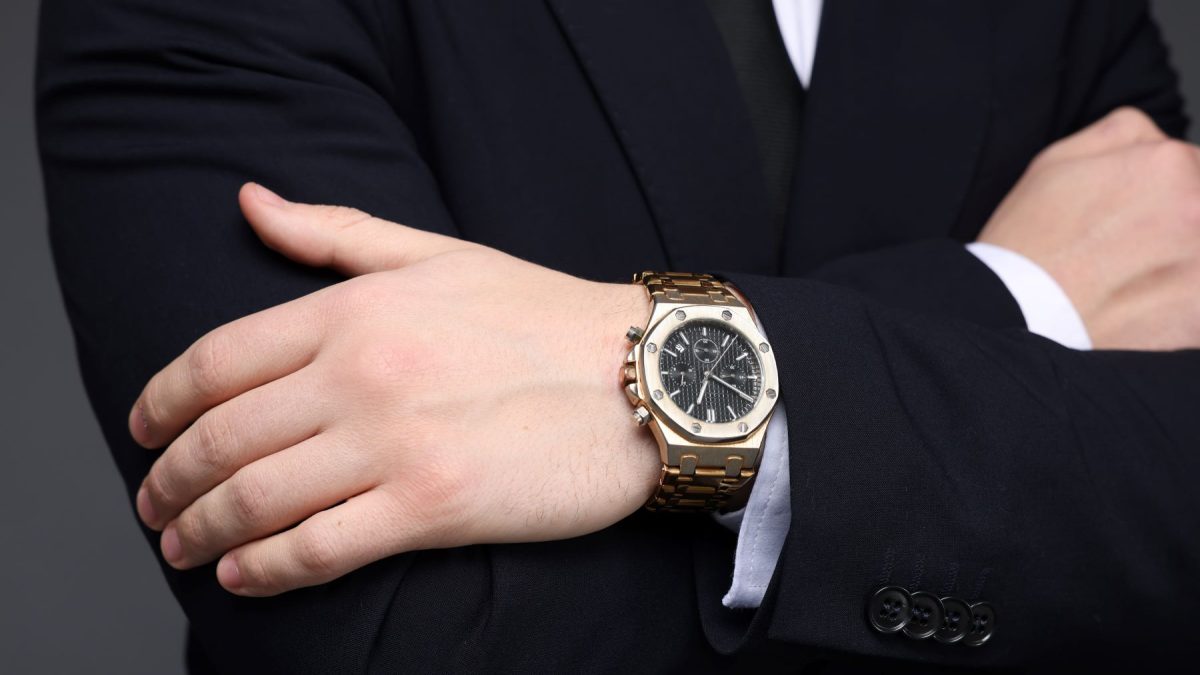
Real luxury always has a sense of calm that comes with it. Think of houses like Loro Piana and The Row and how their pieces carry very little branding. They simply rely on the fabric and the stitching to make the case, and it is this calm confidence that makes people pay more for them,
But now that everything is online and louder, every brand fights for a few seconds of attention, and the easy way to win is to shout. Almost every website has a countdown to something, or a certain per cent off their products. This tactic might be perfect for selling a phone case, but it does nothing for a hand-finished handbag.
So how does a premium retailer grow online and still sound like itself? It takes planning, and often outside help. Expert PPC for eCommerce brands starts with the brand and works outwards to the audience, the budget and the ad itself. The aim is to reach people who can truly appreciate the product, and do it in a way that looks and feels like the brand.
Why Luxury Advertising Plays by Different Rules
Someone shopping on marketplaces like SHEIN and Temu wants a low price and fast shipping, but someone eyeing a £3,000 watch wants assurance.
In everyday retail, things like discounts and urgency can win a buyer over, but they cause doubt in luxury. If a high-end brand is always on sale, buyers start to wonder what it is really worth. The same goes for urgency. A fine jewellery house flashing an “only two left” banner looks like a clearance shop. Luxury shoppers want rare, not pushy.

The Right Customer Matters More Than the Most Clicks
Ad platforms are happy to send thousands of visitors, but many of them are only browsing. They could see a photo they like, browse the collection and go about their way.
What you want is buying intent. Someone who types “solid gold signet ring, engraved, UK shipping” knows what they want. And just a few of those can be worth far more than a crowd that clicked by accident. This applies to location as well. A watchmaker that ships to a handful of countries should not pay for clicks from everywhere.
Google has several methods to help advertisers keep the wrong people out. Take negative keywords, where you tell Google to avoid certain words, like “cheap” or “replica”. Google also lets advertisers block certain websites and apps across all their campaigns.
Creating a Digital Experience Worthy of the Brand
Everything about your ad should show how luxurious your brand is. A lovely campaign that sends a buyer to a slow, cluttered page with blurry photos will not convert.
The website should feel like the brand’s own boutique. Start with photography. Show the product in good light and from several angles, with close-ups of the stitching or the clasp. Keep the design calm, with plenty of white space.
Write clear descriptions that tell buyers what a piece is made from and where it was made. Say plainly that every piece is genuine, and show the proof, like a certificate or a clear returns policy. Trust is what a person needs before spending serious money.
Check to ensure the page runs perfectly on mobile, and make sure checkout is short and secure.
Making Paid Advertising Feel Premium
Ads are like a digital shop window where the picture draws buyers in, so it has to be good. Google’s own rules do not allow promotional text or watermarks on product images, so the window stays clean by design. These formats suit luxury because they reach people who are already looking. Someone who types the name of a piece, or describes exactly what they want, is already interested. A short text ad with calm words can meet them there. It’s best to avoid the dramatics and exclamation points.
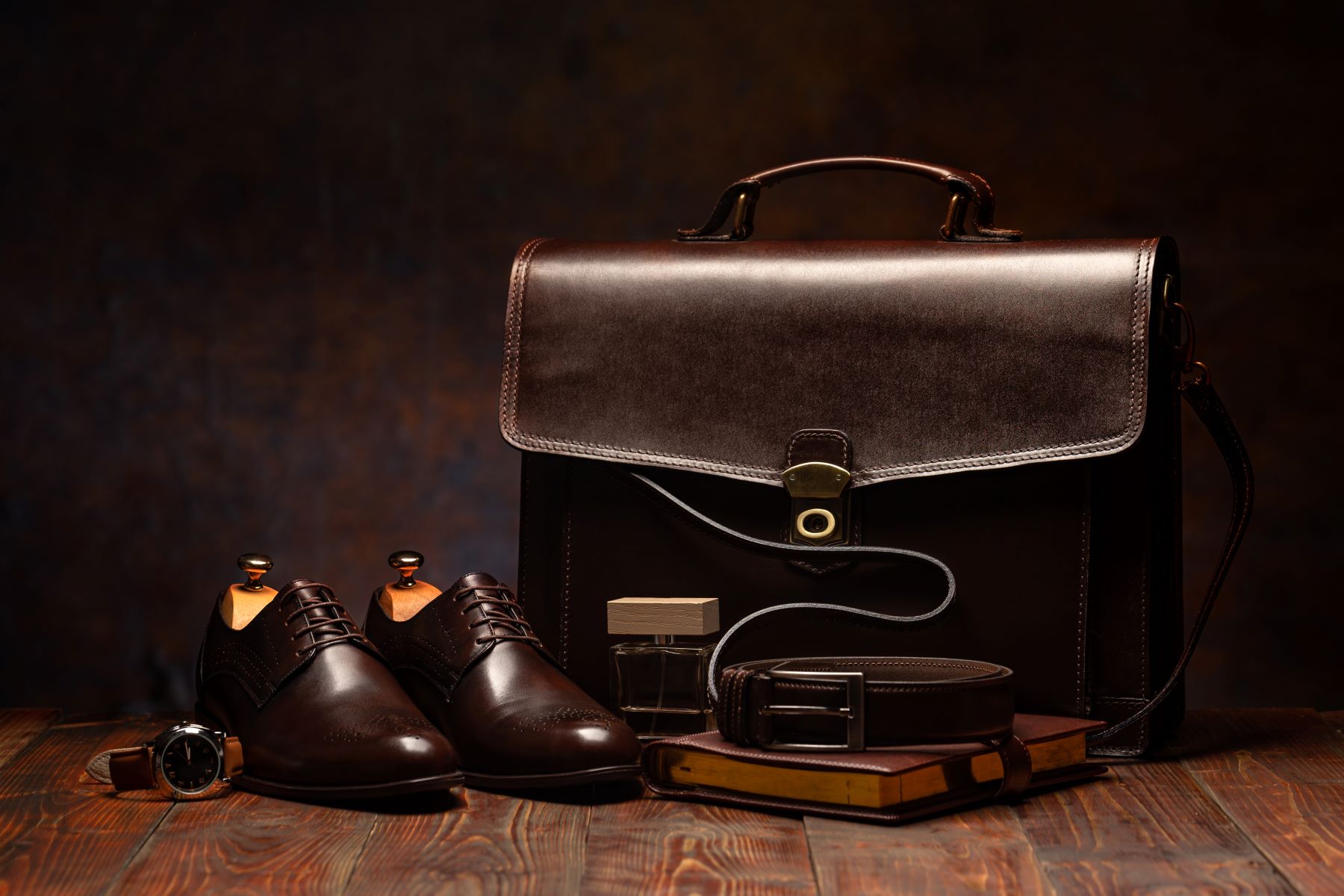
Some products suit shopping ads, and others do not. A one-off piece with a very high price may do better with search ads and a personal enquiry. A skincare range with repeat buyers suits shopping ads and a follow-up email. The right plan depends on the brand’s look and its margins, and on how people usually buy.
Remarketing luxury products needs to be subtle. Following someone around the internet for weeks feels pushy. A gentler plan reminds only people who looked closely, like those who viewed a piece twice or added it to a basket. Limit how often they see the ad, and stop soon after they buy.
Measuring What Really Matters
You shouldn’t rely on clicks to measure the success of your paid ads. If a click for a £40 scarf costs £2, and a click for a £4,000 watch costs £6. The watch click can still be the smarter spend, because one sale pays for a great many clicks.
The numbers you should be tracking include:
- How many visitors were serious buyers, and how many bought?
- What was the average order worth?
- How much revenue came back for each pound spent on ads?
- And what is a customer worth over several years?
You can set Google’s bidding tools to place a higher value on first orders from new customers. But above all, pay attention to profit. A sale that looks big but eats the margin is not a win.
Where Technology Meets Human Judgement
Modern ad tools can test pictures and adjust bids faster than any team could by hand. But a tool only follows the goal it is given. Ask it for as many sales as possible, and it may chase the cheapest ones. It doesn’t know your brand never discounts, or that a certain website is too noisy for your name.
People still make the calls that shape a luxury brand. A person decides who the ads should reach, how each product should look, which words sound right and how fast spending should grow. They also check that the whole campaign still reflects what the brand stands for. Let the technology handle the repetitive work while experienced people look after the brand.
Understated Advertising, Exceptional Results
Luxury advertising works best when it is precise. A small group of the right buyers, a shop that looks as good as the product and numbers that follow real profit can build sales without losing the quietness that makes high-end brands desirable. Brands that stay patient and precise often find that the quiet approach is the one that lasts.