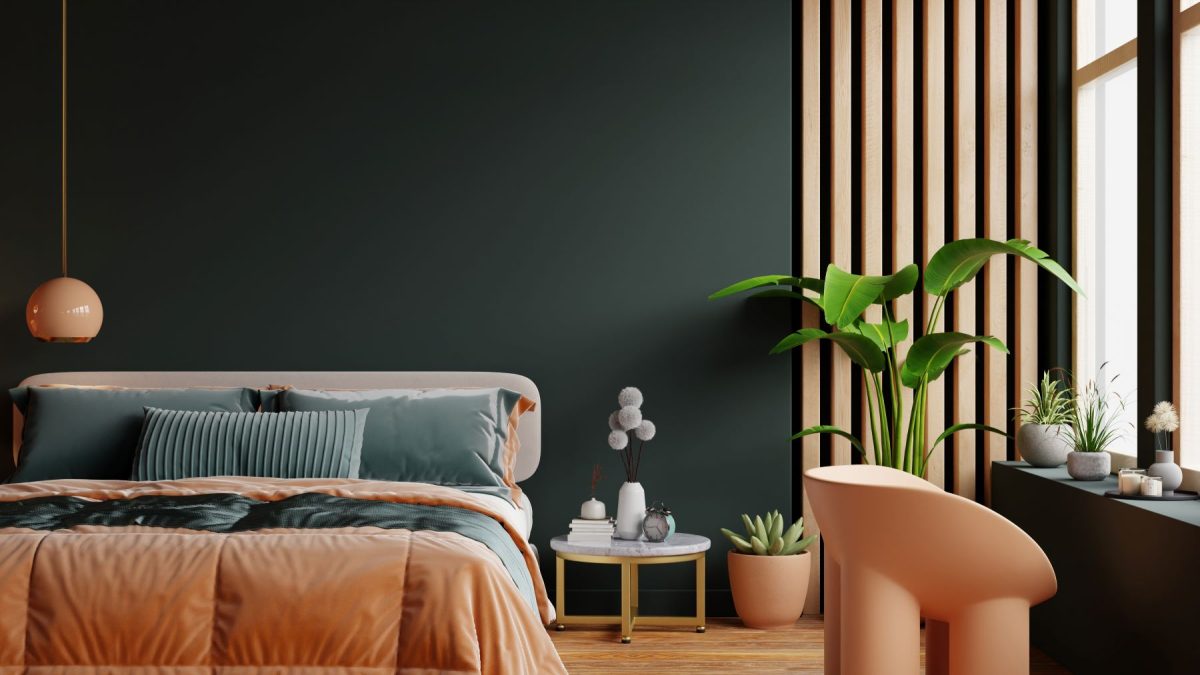
The first time I stayed in a room that felt genuinely expensive, I spent a good while trying to work out why. The space was not large, the art was forgettable, and the window looked onto a car park. Yet everything seemed deliberate. The lamp sat exactly where a hand would reach for it, the sheets had real weight, and the whole palette held together in three quiet colors.
That is usually how a luxurious bedroom works. It rarely comes from knocking down a wall or hiring a decorator with a six month waiting list. It comes from a stack of small decisions, each one too minor to notice on its own, which together change how the room feels the moment you step through the door.
Nothing below requires a renovation. Most of it can be handled over a weekend with a tape measure, a bit of restraint, and a willingness to put things away properly. Here is where the difference actually lives.
A Palette That Knows When to Stop
Expensive rooms tend to be quiet rooms. Pick three colors and commit: a base for the walls and larger pieces, a mid tone for bedding and curtains, and one accent that shows up maybe four times in the whole space. A brass drawer pull, a spine on a book, a thin stripe in a cushion, and you are done.
Then repeat your base color in at least two different textures. Linen curtains and a wool throw in the same soft greige read as layered rather than flat, which is the trick most hotel designers lean on. Flat or eggshell paint also helps, since a shiny wall bounces light in a way that reads cheap under a bedside lamp.
Bedding You Can Feel the Difference In
Thread count is a weak signal, and most people already suspect as much. Weight, fiber, and finish matter far more. A long staple cotton percale that has been washed twenty times still feels crisp; a thin sateen goes limp after a month.
It is also worth knowing what is in the fabric sitting against your skin for eight hours a night. The OEKO-TEX STANDARD 100 label tests every thread, button, and accessory against a list of more than a thousand harmful substances, and it treats bed linen as a direct skin contact product with stricter limits than a jacket. A certified set costs a little more and tells you something real.
Beyond the fabric itself, layer in threes: a fitted sheet, a flat sheet or light quilt, and something with heft folded across the end of the bed. Two pillows you actually sleep on, two that hold their shape, and nothing else. A bed stacked with eight cushions looks like a showroom, not a bedroom.
Lighting in Layers, Not Overhead Glare
A single ceiling fixture will undo everything else you have done. Luxury lighting is plural: a pair of matched bedside lamps or wall sconces, something low near a reading chair, and a dimmer on whatever remains overhead. Warm bulbs across the board, nothing cooler than 2700K, so the room softens rather than hums.
That choice does more than flatter the paint. The CDC’s own sleep guidance recommends keeping the bedroom quiet, relaxing, and cool, and switching off electronic devices at least half an hour before bed, and a dim, warm room makes that far easier to honor. JustLuxe has made a similar case in its roundup of ways to make a bedroom look and feel luxurious, where adjustable hues do most of the heavy lifting.
The Surfaces Beside the Bed
Nothing exposes a room faster than what is piled next to the pillow. A bedside table with a drawer earns its place immediately, because a charging cable, a hand cream, and last week’s receipts all disappear into it, leaving a clear surface for the two or three things worth looking at.
Style it in odd numbers and varying heights: a lamp, a small stack of books, one object with some weight to it. A shallow tray under the clutter you cannot banish turns mess into an arrangement. Match the height of the table to the top of your mattress, and the whole corner suddenly looks considered.
None of these moves is dramatic on its own. Swap the bulbs and you have improved an evening; clear the nightstand and you have reclaimed a surface. Do all of them in the same week, though, and the room stops feeling like somewhere you sleep and starts feeling like somewhere you chose.
The useful part is that each step is reversible and most are cheap. Start with whatever you touch every day, because that is where quality registers fastest, then work outward to the things you only look at. The wall color can wait.
And resist the urge to finish. The best bedrooms hold a little empty space on purpose, a bare patch of wall or an unoccupied chair, which is what gives the pieces you did choose the room to be noticed.