
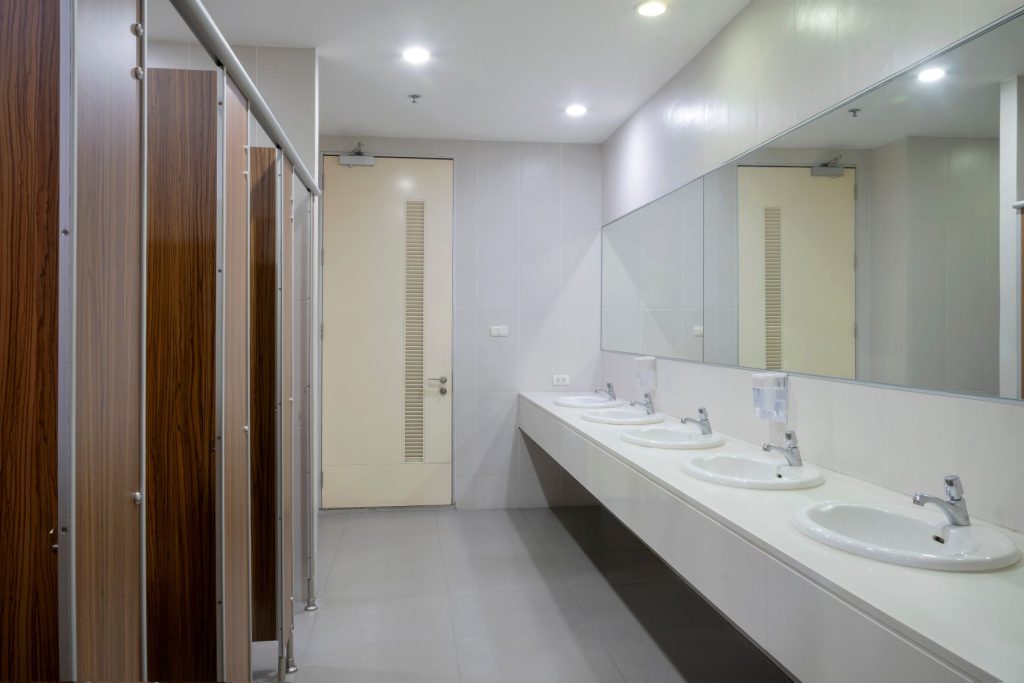
Hardware doesn’t get much respect in the commercial bathroom planning process. Layout gets debated, tile gets agonized over, plumbing specs get reviewed line by line, and then someone grabs a hardware catalog at the last minute and picks whatever fits the budget. The fixtures on your walls are exposed to moisture, chemical exposure, and constant physical contact from the moment the space opens. Pick the wrong material, and you’ll be back in that bathroom a lot sooner than you planned. Stainless steel and aluminum both resist rust better than untreated iron, and both have real applications in commercial construction. But treating them as interchangeable is where problems start.
Specifying material early matters more than most project timelines acknowledge. Facility managers and contractors who source quality commercial bathroom hardware will tell you the same thing: decisions made before the build begins are far cheaper to get right than corrections made after installation. It’s not purely about how long something lasts. It’s about whether what you’ve installed can actually handle the environment it lives in.
Corrosion Resistance Under Pressure
Stainless steel’s durability in wet conditions depends on chromium, which makes up at least 10.5% of its composition. That element forms a passive oxide layer across the surface, and what makes it genuinely valuable in harsh conditions is that the layer regenerates when it’s scratched or disturbed. In a commercial restroom where surfaces get wiped down with aggressive cleaning products several times a day, that self-repairing quality is doing a lot of quiet work. Grade 304 handles most commercial environments without issue. Grade 316 is worth specifying in coastal facilities or anywhere chloride-heavy disinfectants are part of the regular cleaning rotation.
Aluminum also forms a protective oxide layer, but the chemistry is different, and the performance gap becomes apparent under demanding conditions. Air exposure naturally creates aluminum oxide on the surface, which offers decent baseline protection. The issue is alkalinity. High-pH cleaners, which are common in commercial restrooms, break down that layer. In a lightly trafficked office bathroom, the degradation might take years to become visible. In a facility with a rigorous daily cleaning schedule, it tends to surface faster than the spec sheet implied.
Weight and Fabrication Advantages
Aluminum weighs roughly a third as much as stainless steel. On one fixture, that’s irrelevant. Spread across a large installation with dozens of components across multiple floors, it translates to real differences in handling time and labor. Aluminum is also softer and easier to machine, which makes it the go-to for fabricators working with complex or custom profiles. When the design calls for precision shaping, aluminum tends to cooperate.
Stainless steel is harder and denser, and that works in its favor for load-bearing and high-stress applications. Grab bars in ADA-compliant restrooms are the most obvious case. Those bars have to support real body weight under actual use conditions, not just satisfy a number on paper. Aluminum can technically clear some structural requirements, but stainless steel carries a wider margin of safety. For toilet partitions, heavy-use fixtures, and anything where a failure would have consequences, that margin matters.
Appearance and Finish Options
Brushed, satin, and mirror-polished are the standard finishes for stainless steel. Brushed is the practical choice for most commercial applications; it hides fingerprints and minor surface marks far better than any high-gloss finish, and it holds up for years without requiring any particular maintenance routine.
Aluminum’s finishing edge is anodizing. The process hardens the surface and introduces color, which opens up design options that stainless steel simply doesn’t offer with the same ease. For spaces where visual consistency across fixtures is a priority, anodized aluminum fits neatly into a color palette. The catch is durability in high-contact spots. Anodized finishes chip and wear in areas that take a lot of physical abuse, and there’s no clean way to touch them up once the damage is done. Know where the hardware is going before you commit to it.
Hygiene and Cleaning Compatibility
Stainless steel’s position as the standard material in healthcare and food-service environments isn’t arbitrary. It’s non-porous, which means bacteria don’t accumulate in surface irregularities the way they can with coated or textured materials. Biofilm has a hard time getting established. Most commercial disinfectants don’t degrade the surface, even with repeated use. For any facility running strict sanitation protocols, that combination of properties is hard to replace.
Aluminum is more sensitive to what gets used on it. Bleach-based products and high-alkalinity disinfectants can cause surface damage over time, sometimes subtly at first. A small office restroom cleaned once a week with a mild product will probably hold up fine. A hospital bathroom or airport terminal restroom cleaned multiple times daily with industrial-strength disinfectant is a different story entirely. The wear shows up eventually.
Cost Considerations
The upfront cost advantage for aluminum is genuine. Raw material is less expensive, fabrication moves faster, and those savings carry through to unit pricing. For projects where corrosion exposure is limited and structural demands are light, the cost difference is hard to argue with.
Stainless steel costs more per unit at the time of purchase, but stretch the timeline out to 10 or 20 years, and the calculation shifts. Fewer replacements, less maintenance intervention, and an appearance that holds up with minimal effort tend to offset the initial premium. In facilities where hardware is expected to perform reliably with minimal upkeep, stainless steel is often the less expensive option over the life of the installation.
Making the Right Call
Neither material wins outright. Stainless steel belongs in high-traffic, high-sanitation environments where cleaning is aggressive and structural performance is non-negotiable. Aluminum fits well in lower-traffic spaces, custom fabrication projects, and applications where weight and design flexibility carry more weight than long-term toughness.
Work through the real conditions before settling on a spec: what cleaning products are in use, how often, and at what strength? Layer in traffic volume, structural load requirements, and a realistic expectation of how long the installation needs to last. Those factors will lead you to the right material faster than any general preference for one over the other.