
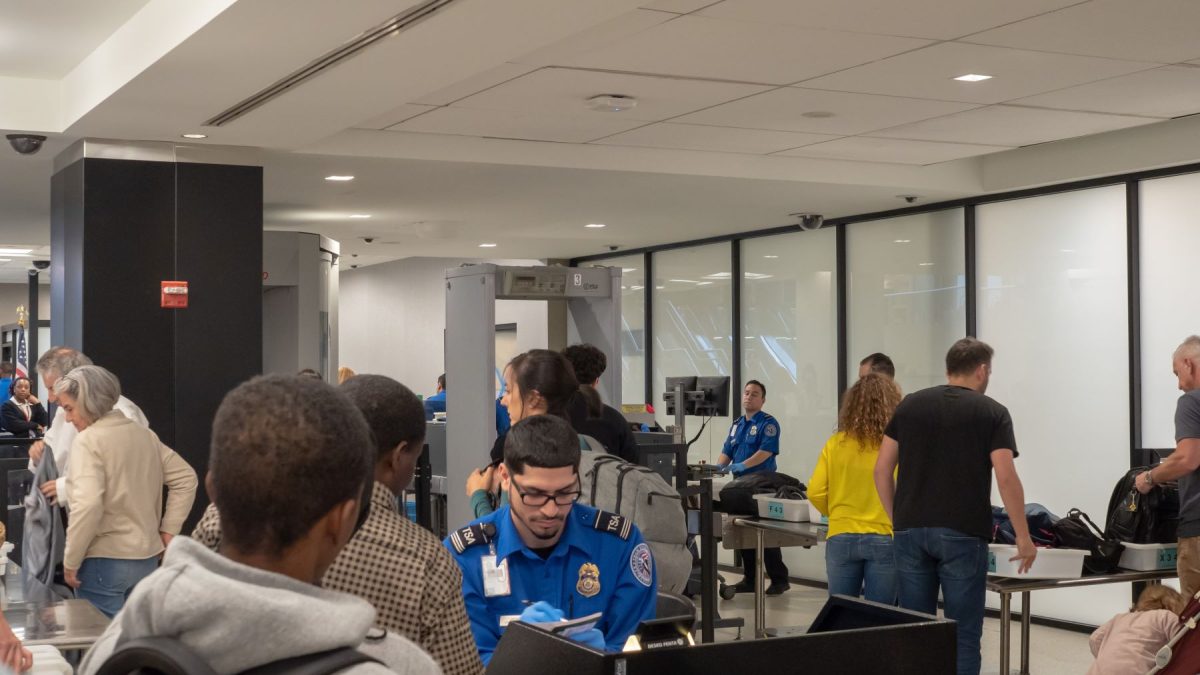
In the contemporary landscape of high-end global travel, the definition of a premium experience has shifted significantly. While once measured by the thread count of linens or the vintage of champagne served at thirty thousand feet, the ultimate luxury in 2026 is defined by the absence of friction.
As international borders become increasingly digitized, the ability to move between continents without the burden of administrative delays has emerged as the most coveted asset for the discerning modern traveler.
The global travel ecosystem is currently navigating a period of unprecedented transition, characterized by the widespread implementation of sophisticated electronic systems. These protocols are designed to enhance security and streamline processing, yet they require a level of foresight and precision that was previously unnecessary for short-term stays.
For the elite jetsetter, staying ahead of these bureaucratic shifts is no longer just a matter of convenience, it is a fundamental component of maintaining a seamless lifestyle.
The Rise of Precision Logistics in Global Entry
One of the most significant developments in this arena is the rise of specialized management tools like VisaSyst, which cater to travelers who prioritize efficiency and expert oversight.
As global entry requirements become more fragmented, these platforms provide a centralized solution for navigating the complexities of modern documentation. In a world where a single clerical error can derail a multi-city itinerary, the peace of mind offered by professional verification has become a hallmark of the high-end travel experience.
The year 2026 marks a definitive turning point for European travel, specifically. The full implementation of the UK’s Electronic Travel Authorization (ETA) system now requires visitors from over 80 nationalities, including the United States and Canada, to obtain digital permission before departure.
To ensure compliance with these updated statutes, travelers often consult official resources such as Gov.uk to understand the integration of identity apps in the clearance process. Simultaneously, the European Union is completing the rollout of its Entry/Exit System (EES), with border crossings utilizing biometric kiosks to automate control for more than 700 million travelers annually.
Biometric Borders and the Digital Shift
Beyond Europe, the trend toward “smart borders” is accelerating across Asia and the Middle East. Countries like Singapore and South Korea have refined their digital arrival cards, while the Gulf nations are moving toward a unified tourist visa to facilitate seamless movement across the region.
For those engaging in the “neo-nomad” lifestyle, the demand for clear regulatory information is higher than ever. Some high-authority databases provide essential historical context on how these reciprocal agreements have evolved to favor digital transparency.
According to recent 2026 travel trends reports, nearly 46% of high-net-worth travelers now support digital permits and timed entry systems as a means to control overtourism and preserve the exclusivity of top-tier destinations.
This reflects a broader shift where the traveler’s best asset is verified information. As we have frequently noted here at JustLuxe, luxury is increasingly found in “slow storytelling” and exclusivity, which can only be fully enjoyed when the logistical “white noise” of travel is expertly managed.
Investment in Seamless Mobility
For the modern executive or leisure traveler, the cost of these authorizations, such as the ETIAS or the UK ETA fees, is negligible compared to the value of the time saved. The real investment lies in the preparation. Detailed breakdowns of these requirements are frequently updated by international bodies like the World Tourism Organization (UNWTO), which monitors how visa facilitation directly impacts global economic growth.
As AI-planned itineraries and hyper-personalized private membership clubs continue to reshape the sector, the integration of professional documentation services ensures that these high-tech journeys remain uninterrupted.
Furthermore, the data indicates that 2026 will see a 15% increase in the use of third-party concierge services for visa procurement, as high-tier travelers seek to outsource the complexities of fluctuating international law.
This trend underscores a movement toward holistic travel management, where administrative readiness is treated with the same importance as booking a private jet or a secluded villa. Travelers can find comprehensive lists of entry requirements and diplomatic missions via the U.S. Department of State, ensuring they remain informed of travel advisories in real-time.
Redefining Travel Without Boundaries
In conclusion, the art of travel in 2026 is a balance between embracing digital innovation and relying on human expertise. As we move further into an era of biometric borders and electronic mandates, the most successful journeys will be those that are planned with surgical precision. By treating documentation as a core pillar of the luxury experience, rather than a secondary chore, the global elite are redefining what it means to truly travel without boundaries.